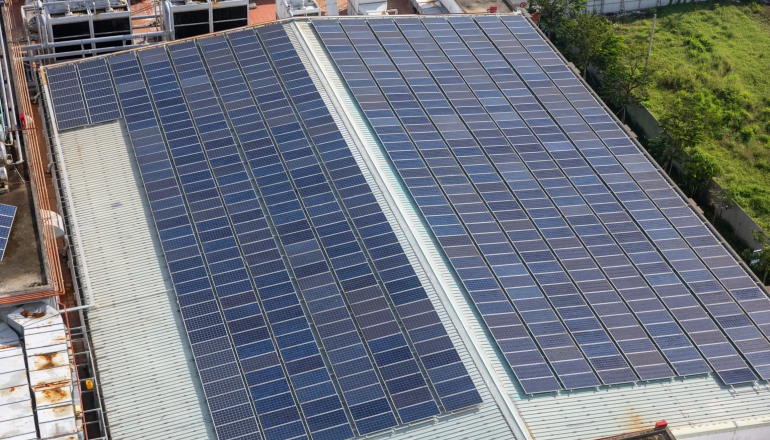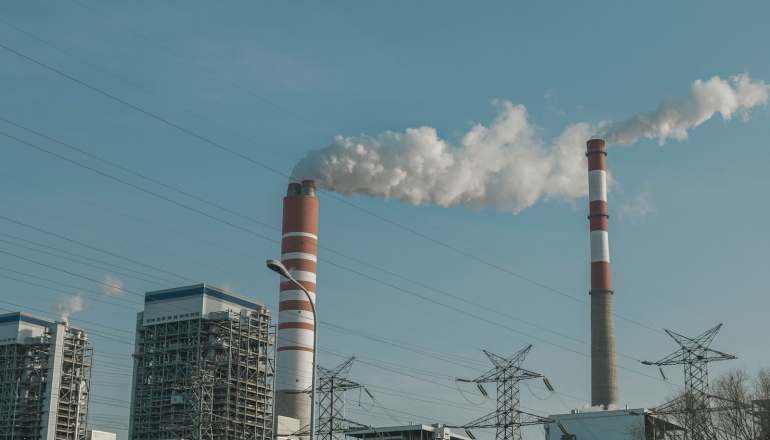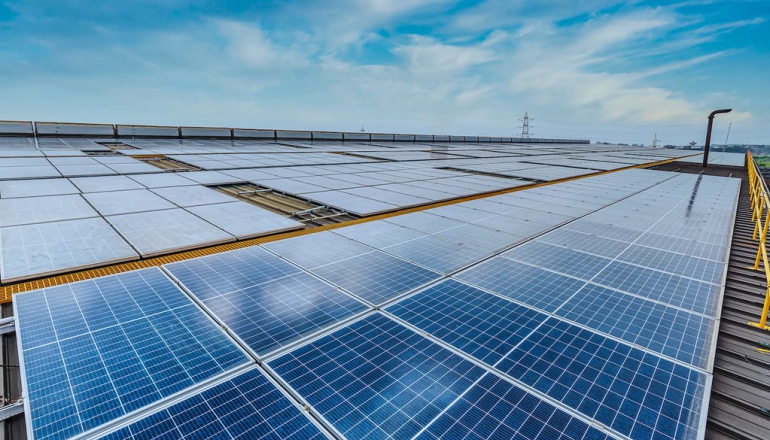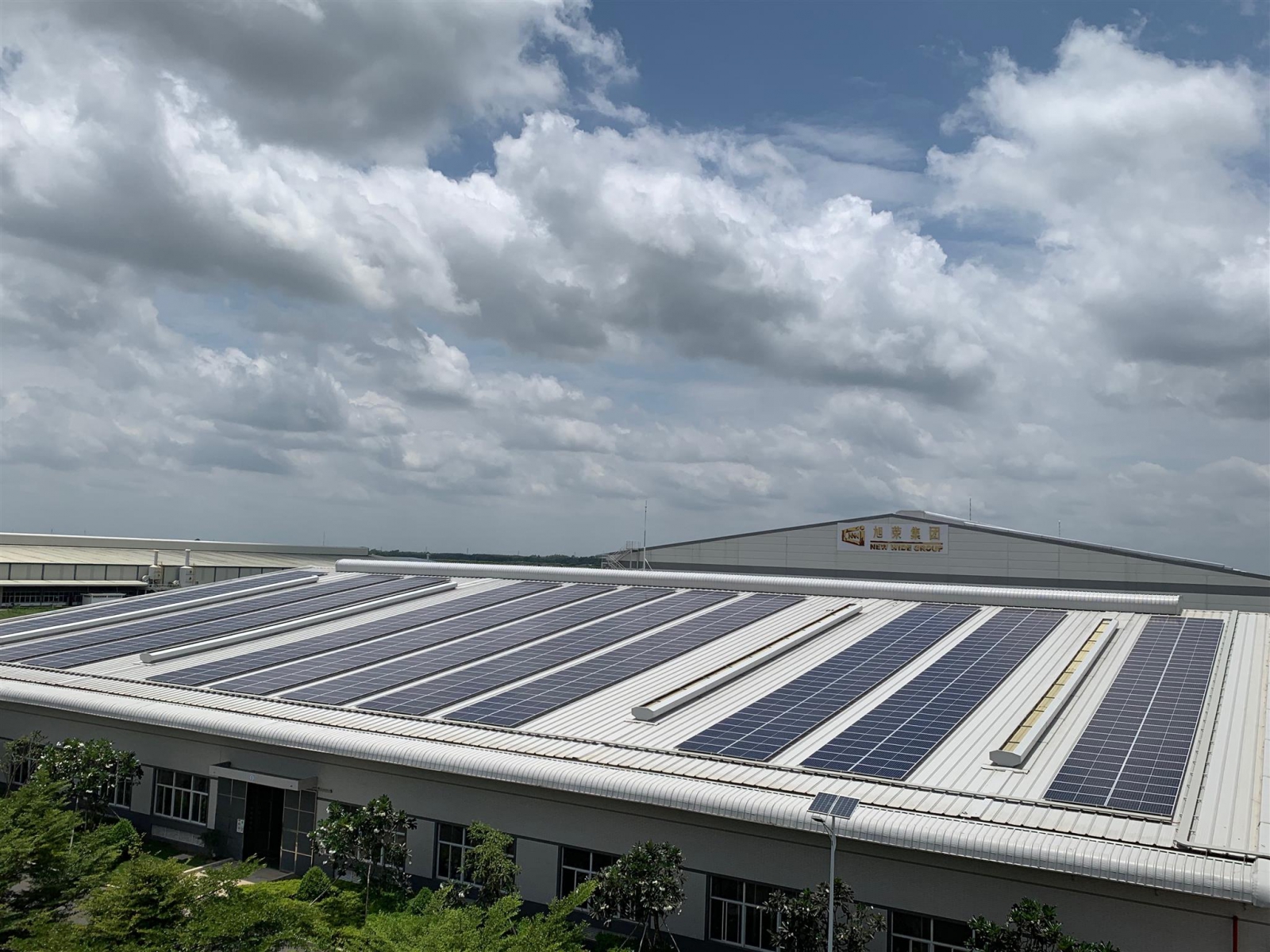
New Wide Group’s Phu Dong dyeing and finishing plant in Vietnam has begun accelerating its sustainability transition in recent years. (Photo: New Wide Group)
Vietnam’s textile industry has expanded rapidly in recent years, attracting global brands to shift more of their supply chains into Southeast Asia. But with around 85% of Vietnam’s textile output exported, buyers are also raising requirements around renewable energy sourcing, carbon management, and broader sustainability standards across the supply chain, pushing Taiwanese textile manufacturers in Vietnam to rethink factory energy systems, material sourcing, and emissions tracking.
One example is New Wide Group, one of Taiwan’s largest vertically integrated knitted fabric manufacturers and a supplier to brands including Adidas and ZARA. At its Phu Dong dyeing and finishing plant in Binh Duong Province, the company has spent recent years restructuring both its energy systems and supply chain management approach.
For dyeing factories, which depend heavily on thermal energy and stable electricity supply, decarbonization is not simply a matter of installing solar panels. It involves operational adjustments across fuel sourcing, manufacturing processes, material procurement, and power reliability.
Unlock the full article to explore three key takeaways:
- For Vietnam’s dyeing factories, replacing coal with biomass has delivered larger emissions cuts than renewable electricity procurement, but requires strict feedstock screening and major operational adjustments.
- Vietnam’s DPPA framework offers a pathway to physical renewable electricity, but reliability concerns and industrial park constraints mean many manufacturers still rely heavily on I-REC certificates.
- At New Wide Group’s Vietnam plant, Scope 3 upstream material emissions already exceed combined Scope 1 and 2 emissions, making supply chain carbon data the next major decarbonization challenge for Taiwanese textile manufacturers.