As landfills struggle to cope, Vietnam is turning to waste-to-energy plants as a potential solution – but could they introduce new challenges?
.jpg)
Vietnam produces around 68,000 tonnes of solid waste every day (Image: Brian Atkinson / Alamy)
Lam Van Quyet lives three kilometres from the Tay Bac waste facility in Ho Chi Minh City, but he knows exactly what time the garbage trucks arrive there.
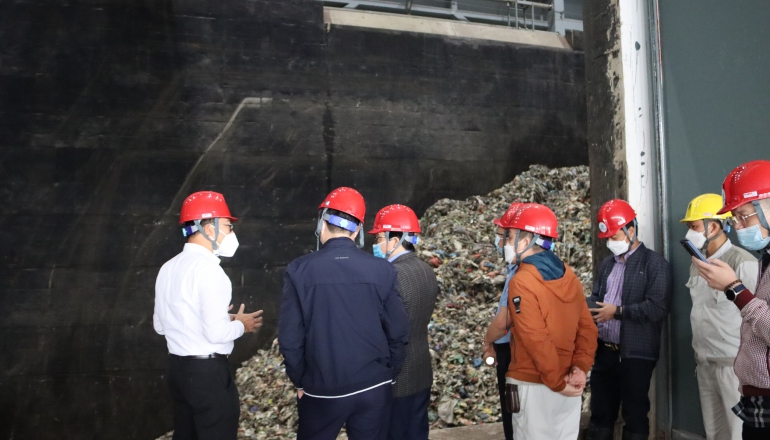
“By 3pm, the horrible stench hits us,” he says. The towering 20-metre-high waste pile receives over 3,000 tonnes of rubbish daily – almost one-third of the city’s total. Closing the doors of their home in Cu Chi district often isn’t enough for Quyet and his family, and they eat with the rotting smell lingering until 8pm.
They are among hundreds of households suffering air pollution within a 10-kilometre radius of the 700-hectare landfill, the largest dump in Vietnam’s biggest city. Nearby farms lie abandoned, crops wither, streams run black with leachate, and the groundwater is too foul to use. Despite complaints, little has changed.
“They say they’ll cover it better, but nothing ever improves,” Quyet adds.
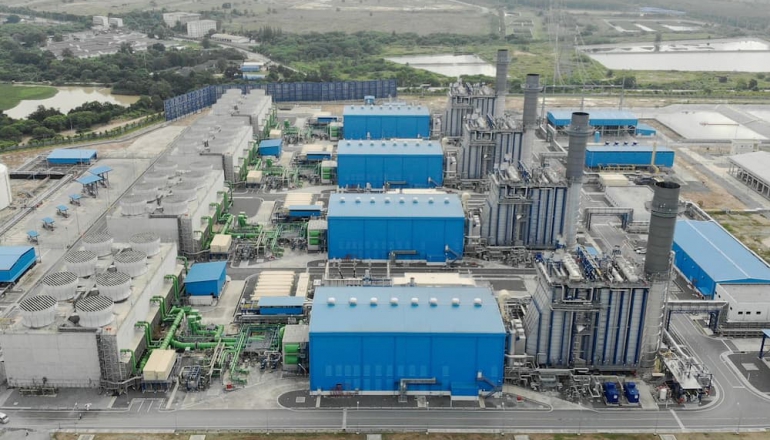
There are attempts to end this two-decade-long nightmare. In July, construction began on the city’s first waste-to-energy (WtE) incineration plant within the Tay Bac facility. The Tam Sinh Nghia project promises to burn rubbish and generate an initial 365 million kilowatt-hours (kWh) a year, before reaching up to 1,216 gigawatt-hours (GWh) – enough to power 100,000 and then 338,000 homes annually.
It is part of Vietnam’s wider plan to transform ageing landfills into modern WtE power plants. While this will tackle the urban waste crisis and reduce the environmental impact of dumpsites, incinerating waste brings its own serious pollution problems, making WtE a controversial solution.
Vietnam’s urban trash crisis
With nearly 100 million people and rapid urbanisation, Vietnam generates around 68,000 tonnes of solid waste every day, 60% of which comes from urban areas. This is expected to swell by 16% by 2025, straining the country’s 1,200 dumps, where about two-thirds of waste ends up.
Major landfills in big cities, such as Hanoi’s Nam Son and Xuan Son, are already bursting at the seams. Since 2021, they have faced repeated closures due to the risk of containment embankments failing during downpours. In Ho Chi Minh City, Da Phuoc landfill, which exceeds its capacity by four million tonnes, might soon face a similar fate.