Led by COP30 host Brazil, 12 countries are finalising a fund that aims to raise USD 125 billion for tropical forest conservation and launch at the November climate summit
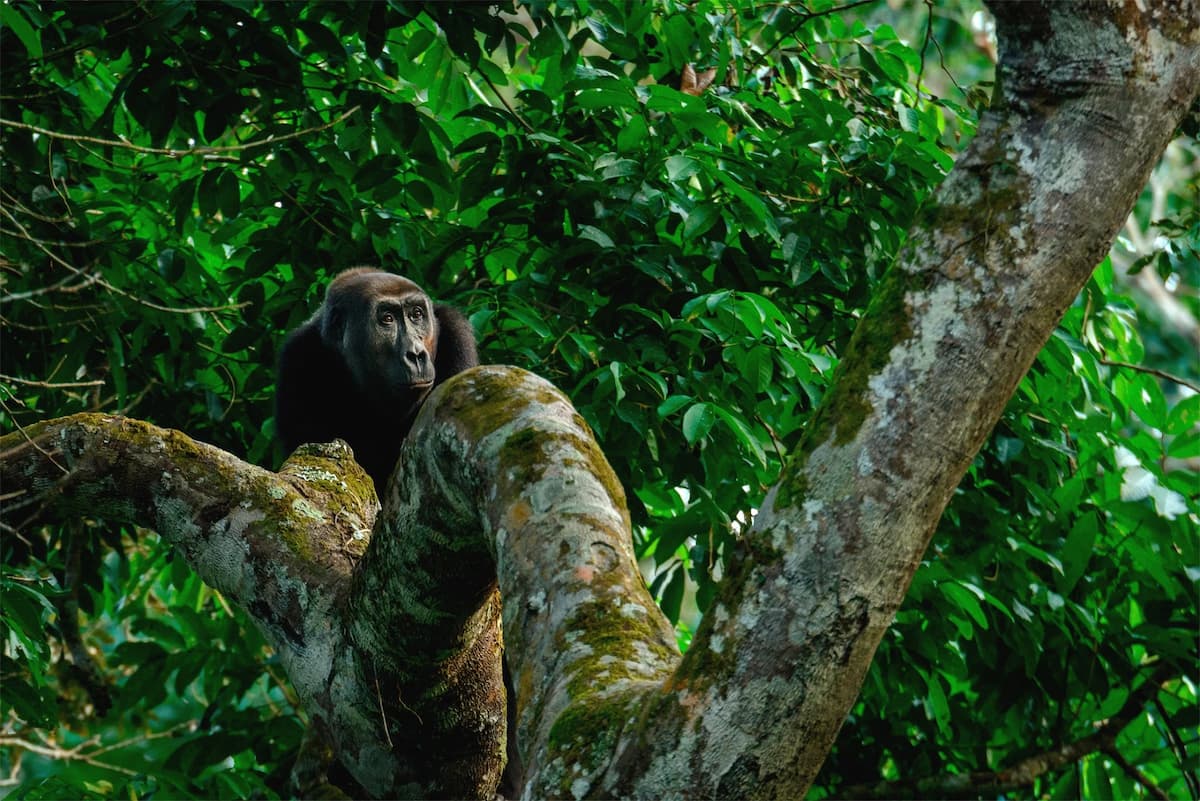
A western lowland gorilla in Odzala-Kokoua National Park, Republic of the Congo. The Tropical Forest Forever Facility aims to contribute to the conservation of tropical and subtropical rainforests in developing countries (Image: Roger de la Harpe / Danita Delimont / Alamy)
In 2023, during the United Nations’ Climate Week in New York, Carlos Rittl of the Wildlife Conservation Society (WCS) warned Brazil’s environment minister Marina Silva about the critical situation of the world’s forests: 25% had already been destroyed.
This figure comes from WCS research, published in Nature Communications in 2020, which also revealed that of the 4.3 billion hectares of forests left on the planet, only 40% – or 1.7 billion hectares – remain practically intact. Less than 30% of these areas are officially protected.
“Forests in their natural state play an essential role for the climate, biodiversity and people’s survival. But there is a huge challenge to prevent their degradation and deforestation,” said Rittl, WCS’s director of public policy for forest and climate.
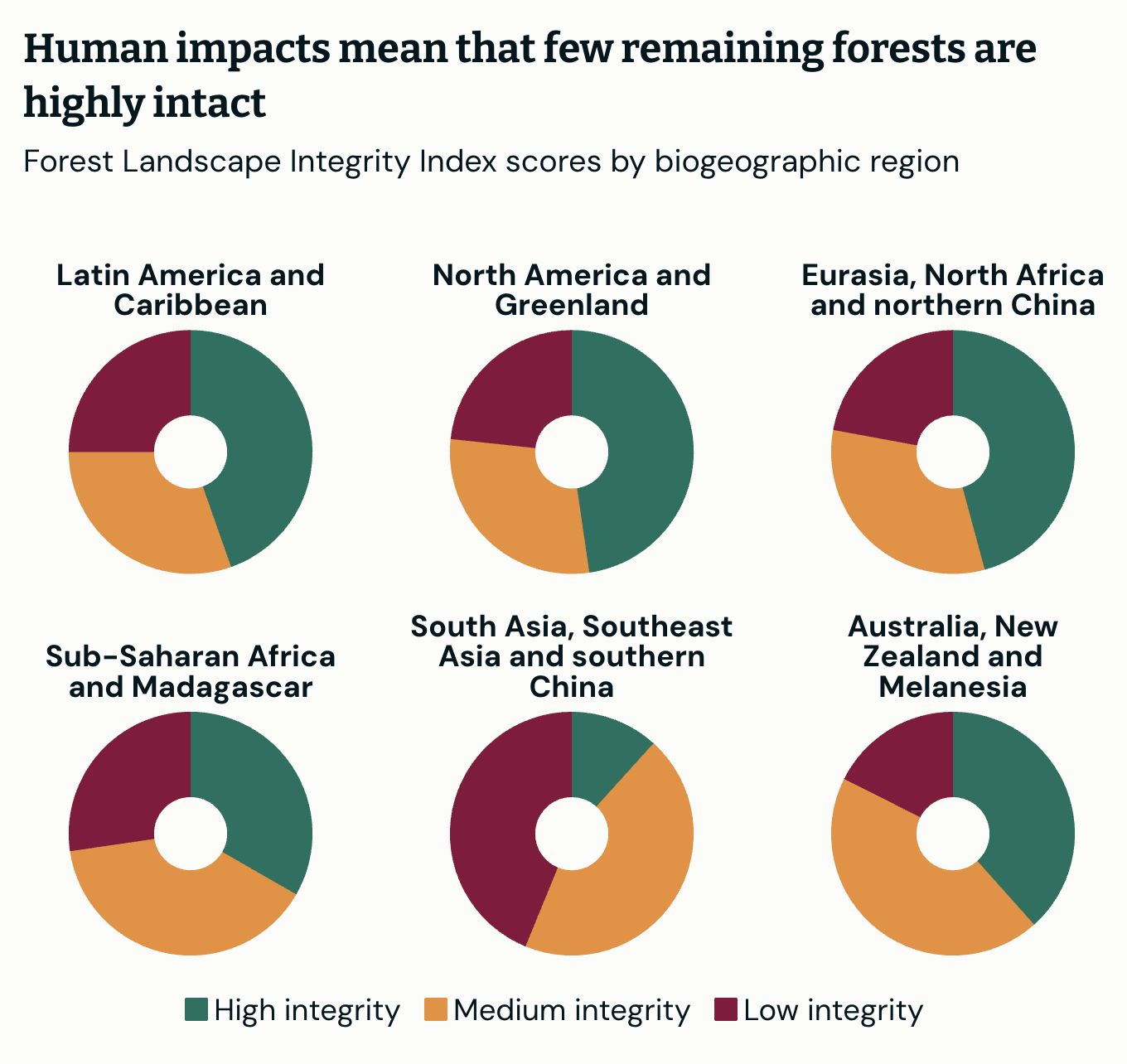
Data source: Grantham et al, 2020 • Graphic: Dialogue Earth
The 2023 meeting marked the beginning of WCS’s partnership with the Brazilian government to create an innovative financing initiative to tackle this scenario: the Tropical Forest Forever Facility. Here’s everything you need to know about it.
What is the Tropical Forest Forever Facility?
The Tropical Forest Forever Facility (TFFF) aims to contribute to the conservation of tropical and subtropical rainforests in developing countries. In all, there are 1.2 billion hectares of these green areas spread over 76 countries, largely concentrated in the Amazon, the Congo Basin and Southeast Asia.
“The aim of the TFFF is to reward countries that are already controlling their levels of deforestation, but still need to invest to keep forests standing,” said Garo Batmanian, director-general of the Brazilian Forest Service, the body that manages Brazil’s public forests and which represented the ministry in drawing up the fund.
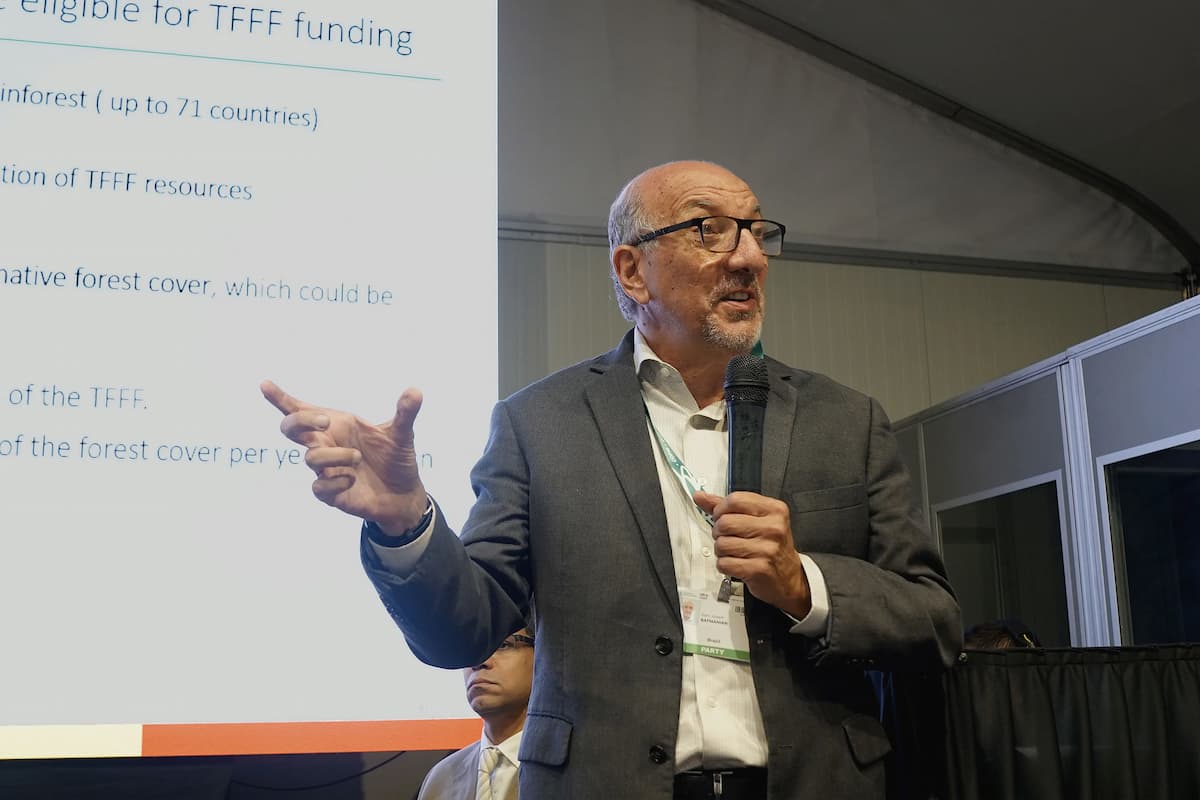
Garo Batmanian, director-general of the Brazilian Forest Service, presenting the TFFF at the COP16 biodiversity summit in Cali, Colombia, October 2024. The fund will reward countries that are controlling their levels of deforestation, but still need to invest to keep forests standing (Image: André Aroeira / Brazil’s Ministry of the Environment and Climate Change, CC BY NC SA)