.jpg)
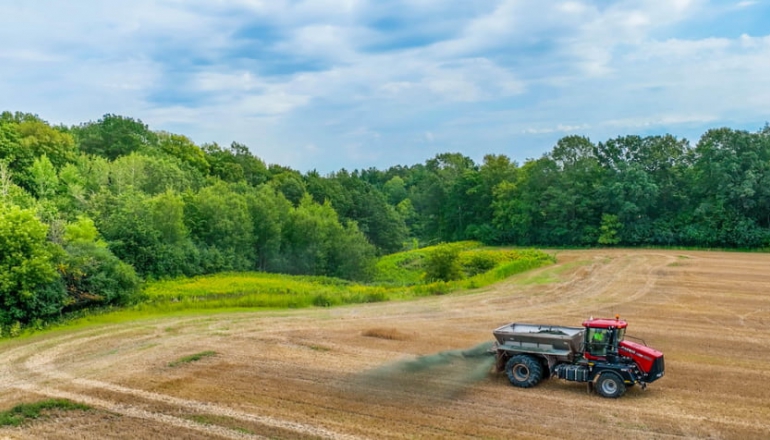
Biochar not only sequesters carbon but also improves soil quality. Pictured is a biochar test site operated by carbon removal company Exomad Green. (Image: Exomad Green’s official website)
Microsoft has once again broken records in carbon removal procurement, announcing on May 21 the signing of the world’s largest biochar carbon removal deal with Bolivian company Exomad Green. The deal aims to remove up to 1.24 million tons of CO2 over the next decade. This milestone brings the once-understated biochar technology into the spotlight as a mainstream tool for carbon reduction. Why is biochar suddenly in the limelight?
Competition for high-quality carbon removal technologies is escalating. According to a recent report by carbon removal marketplace Supercritical, 62% of the global supply of high-quality biochar for 2025 has been secured by long-term contracts, and nearly 30% of the capacity for 2026 has been pre-booked. In other words, companies that haven’t secured long-term agreements may find themselves unable to purchase supply in the future.
Microsoft drives biochar market toward scale
The long-term agreement signed between Microsoft and Exomad Green is regarded as a major milestone in scaling global biochar removal to an industrial level. As one of the world’s largest carbon removal suppliers, Exomad Green uses the third-party platform Carbonfuture to track the destination and storage of each ton of carbon. The project will also be certified under the standards of international registry Puro.earth, ensuring transparency and credibility.