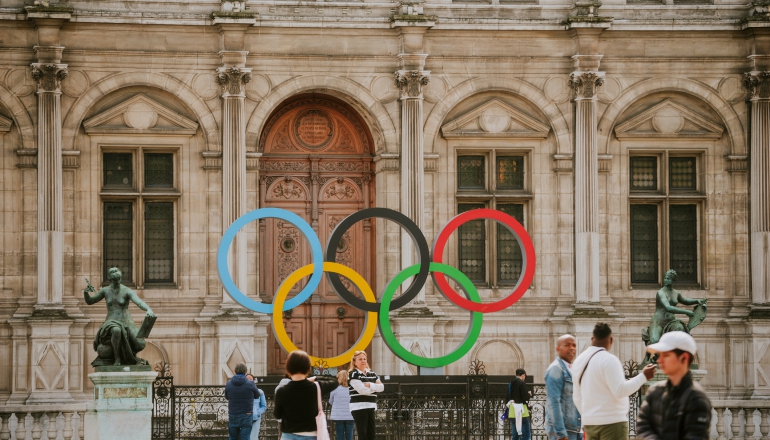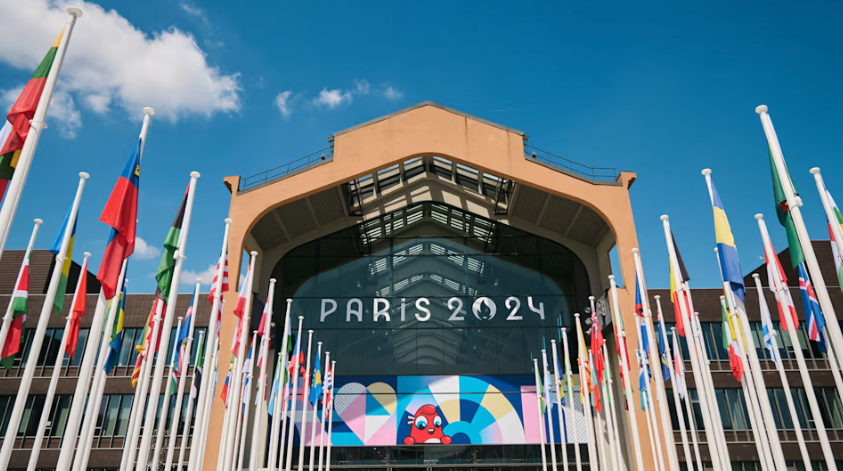
The 2024 Paris Olympics start today, prioritizing sustainability and being called "the greenest Olympics in history." (Photo: International Olympic Committee)
The 2024 Paris Olympics begin today, marking the city's third time hosting the Games in a century. It aims to be the "greenest Olympics in history," with a strong focus on sustainability and environmental protection, and anticipated limit carbon emissions to 1.58 million tonnes of CO2 equivalent (tCO2e), which is less than half the emissions of recent sessions.
To achieve this goal, the Paris Olympics are focusing on reducing carbon emissions from construction, transportation, procurement, and accommodation. Non-profit organization Carbon Market Watch released the "Going for Green" report in April, which thoroughly assesses the carbon reduction strategies of the Paris Olympics, highlights successes, and identifies aspects that need improvement in this event.
How Paris plans to host the most sustainable Olympics?
1. Construction: 95% of the competition venues are repurposed from existing or temporary sites
Construction accounts for about 30% of the carbon footprint of the Paris Olympics. In this session, a total of 95% of the venues are using existing or temporary construction, with 70% existing venues and 25% temporary venues. Iconic landmarks such as the Palace of Versailles and the Eiffel Tower have been repurposed as competition venues to avoid new construction as much as possible.