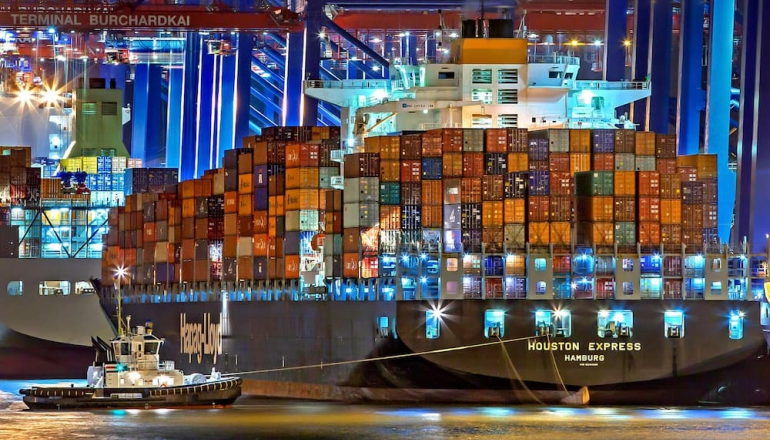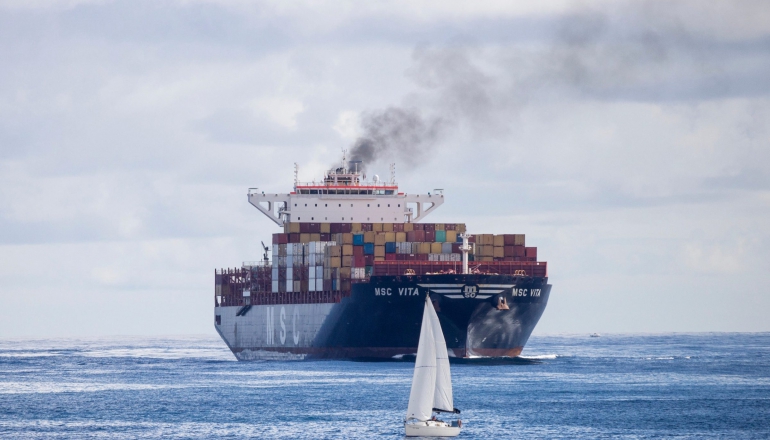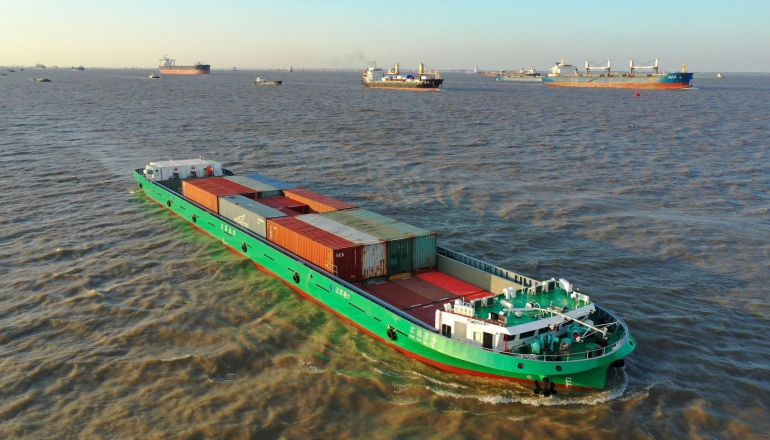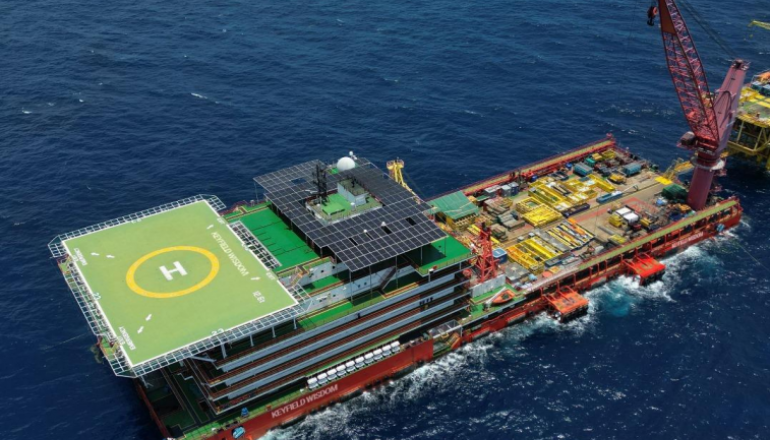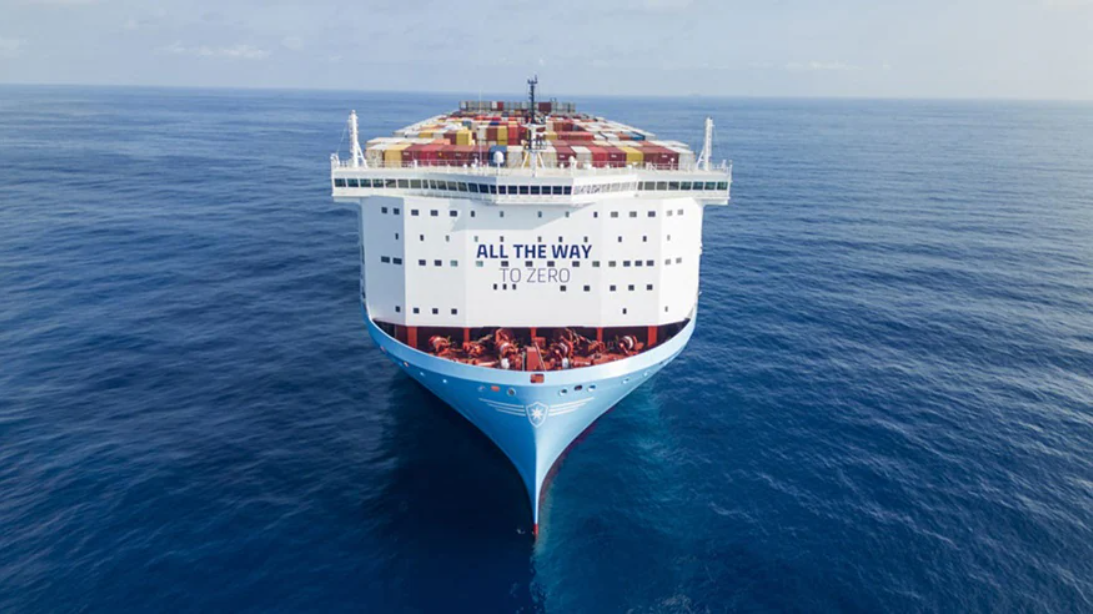
Maersk plans to reduce Scope 1 and 2 emissions by 96% and Scope 3 emissions by 90% by 2040. (Photo: Maersk)
The shipping industry is facing immense pressure to reduce emissions due to underdeveloped decarbonization technologies and tightening carbon tax policies. Major players like Maersk and Taiwan’s top shipping companies—Evergreen, Wan Hai, and Yang Ming—are adopting sustainable fuels and onboard carbon capture (OCC) technologies to meet these challenges.
As companies push towards net zero emissions, the focus is increasingly shifting to Scope 3 emissions, which are closely linked to the supply chain. According to the Carbon Disclosure Project (CDP), Scope 3 emissions account for an average of 75% of total emissions across industries. Particularly notable is the carbon footprint from the transportation and distribution of products, with international shipping emissions rising by 5% in 2022, nearing pre-pandemic levels.
Green logistics market to reach $350 billion by 2030
A survey by McKinsey on 250 global freight companies and suppliers reveals a growing shift towards green logistics. Over 70% of respondents expressed willingness to pay a premium for greener shipping solutions, driven by consumer demand for reduced carbon footprints. McKinsey projects that the green logistics market will reach $350 billion by 2030, accounting for 15% of global logistics expenditure.