The global carbon market mechanism has yet to take shape, but trading brokers have already begun positioning themselves. The UAE startup "Blue Carbon" is quietly developing forest carbon credits worldwide. Through collaborations with 5 African countries, the land area involved is nearly equivalent to the size of United Kingdom. And due to inadequate regulations and information disclosure, Blue Carbon has faced criticism for its lack of transparency and rules, giving rise to concerns about "carbon colonialism" and "greenwashing."
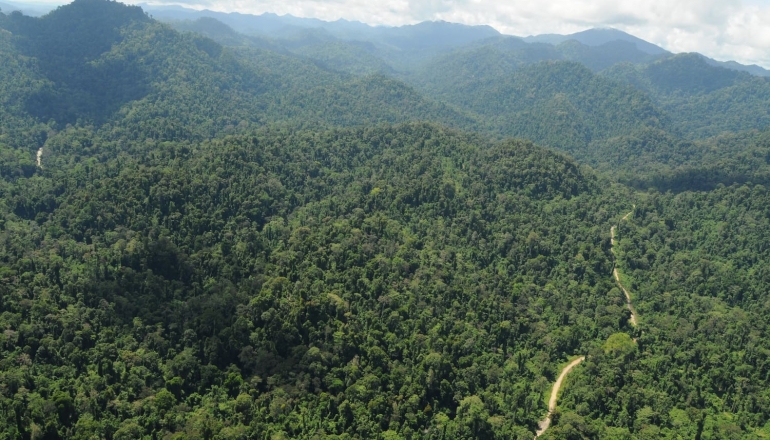
Established in October 2022, Blue Carbon has experienced rapid growth within a short span of one year. The company has already signed forest protection agreements with countries in Africa, the Caribbean, and Asia. These agreements aim to prevent deforestation, facilitate reforestation on barren lands, and acquire forest carbon credits that Blue Carbon can sell to countries seeking to reduce their carbon footprint.
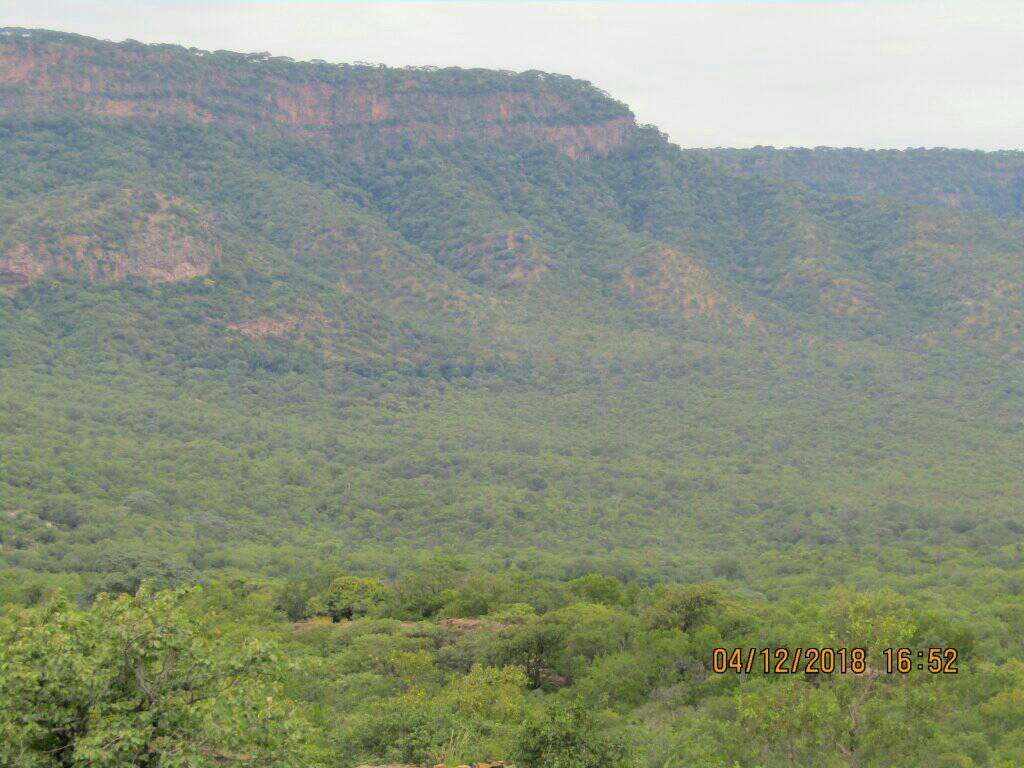
Mucheni conservancy in Zimbabwe, part of the Kariba carbon offsets project. (Photo: Mucheni Community Conservancy)
According to the recently exposed draft agreement, Blue Carbon is currently in talks with Liberia in West Africa for a collaboration that would cover approximately 1/10 of the country's total land area. The agreement specifies that Blue Carbon will not buy any land but instead secure the right to sell carbon credits for a period of 30 years. The company is entitled to 70% of the revenue generated from the sale of these carbon credits, and it is exempt from taxes for the first 10 years. Liberia, in turn, receives the remaining 30%, along with an additional 10% royalty over the value of each credit.
“The methods of exploitation might be new but the consequences are not so different to the last 200 years of land grabs in Liberia,” says David Young, an independent expert in forest governance in the country. A commonly used protocol by Plan Vivo, a nonprofit based in Britain, says communities should get at least 60 percent of the revenue from carbon credit sales.