The plant has a potential role as a sustainable powerhouse, argues Austin Smith, but challenges remain in scaling up its production and trade
.jpg)
A worker makes a bamboo fence at a handicrafts factory in Rong’an, southern China. The county takes advantage of its raw materials, including rattan, bamboo and wood, to create products for gardens (Image: Imago / Xinhua / Alamy)
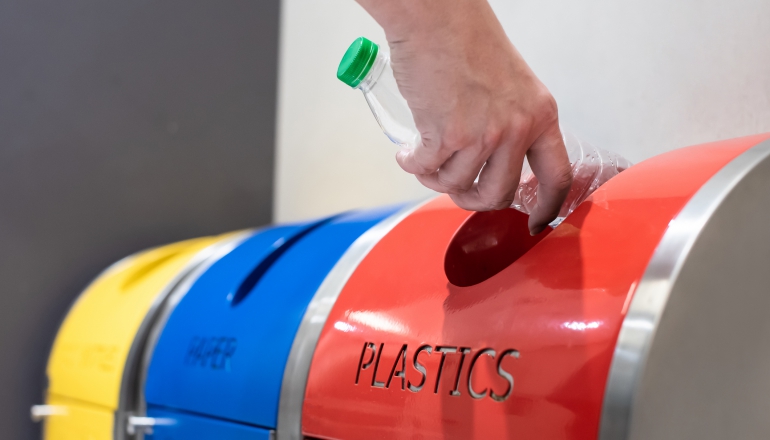
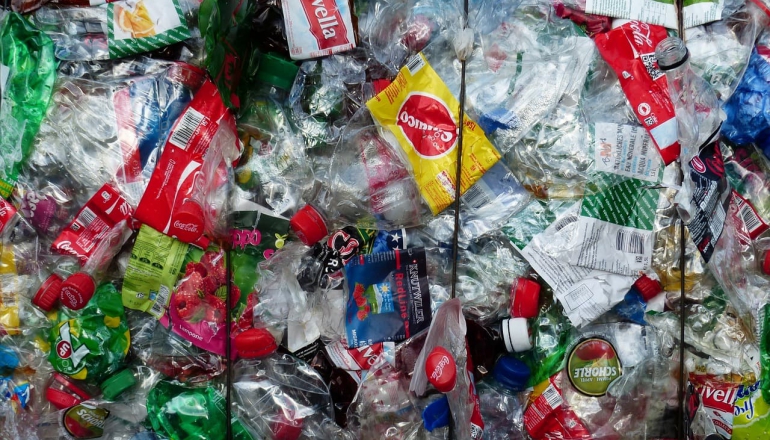
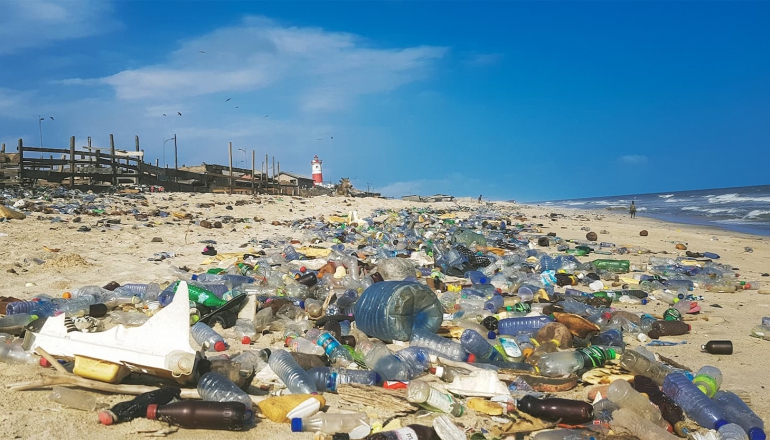
Plastics are integral to our modern lives, used in everything from packaging and construction to textiles and consumer goods. They are cheap and versatile, but come with significant environmental costs. Annual global plastic production has surged in the 21st century, increasing between 2000 and 2019 from 234 million tonnes to 460 million tonnes. As of 2019, only 19% of that was incinerated – and only 9% was recycled. Most is either disposed of in landfills or released into the environment. Plastics then leach harmful chemicals, contributing to the “triple planetary crisis” of climate change, biodiversity loss and pollution.
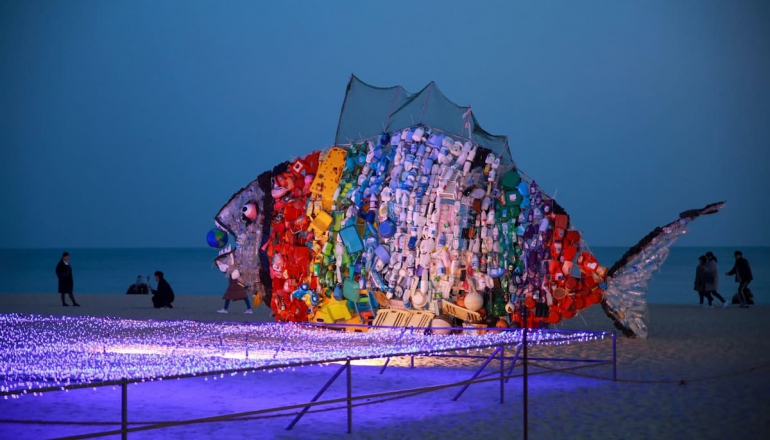
Plastics also release greenhouse gases throughout their life cycle. These emissions are projected to account for 15% of our total global carbon budget by 2050. Meanwhile, terrestrial and marine ecosystems are being overloaded with mountains of plastic waste. An estimated 19-23 million tonnes entered aquatic ecosystems in 2016 alone.
Efforts are being made to address this crisis. The UN’s Intergovernmental Negotiating Committee on Plastic Pollution is working to develop a legally binding treaty on plastic pollution. Regional and national measures have also been launched, like the European Union’s 2021 ban on common single-use plastics, as well as plastic bag regulations in at least 127 countries. Researchers are also exploring low-carbon, bio-based materials known as “bioplastics”, to replace plastics derived from fossil fuels. However, challenges remain regarding the durability, non-degradable components and costs associated with bioplastics.
Bamboo is one such bioplastic variant that shows promise. Crucially, bamboo can replace many single-use plastics, including straws, cutlery, cups, bowls and food packaging. These items are among the most emissions-intensive and difficult-to-recycle items. Single-use items also represent between 30% and 50% of all plastic use.