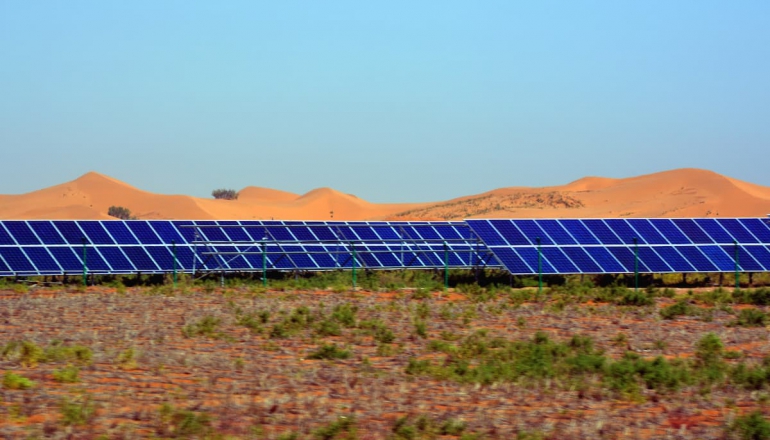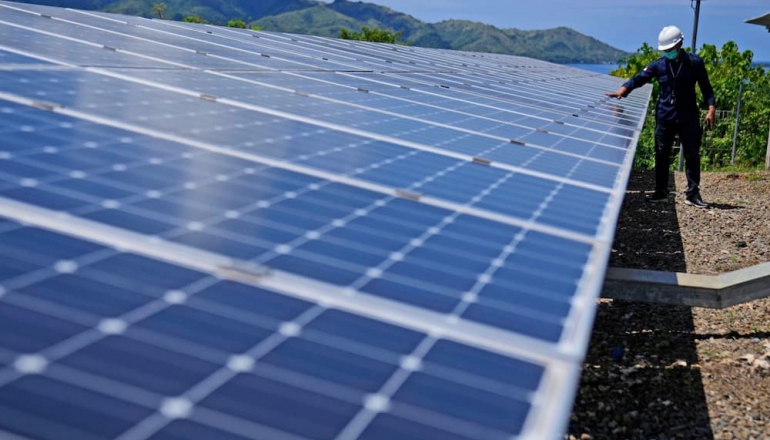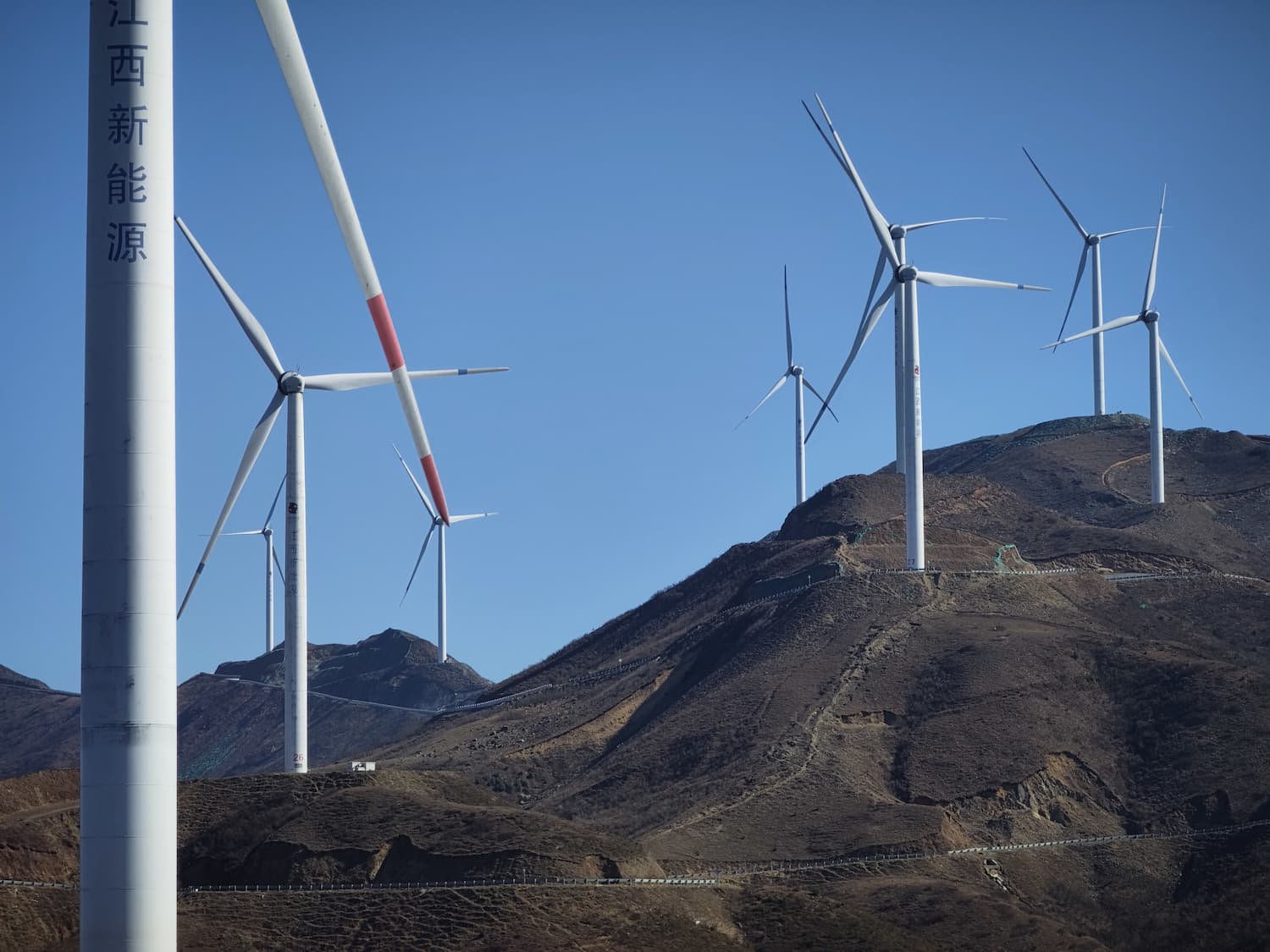
Wind turbines in Jiangxi, China. (Photo: Unsplash)
China’s solar and windfarms would no longer be guaranteed sales at a fixed price linked to coal benchmarks, under a new policy released by the central government.
The policy asks local governments to shift new wind and solar projects to a more market-based pricing system by the end of 2025.
Said local governments will determine the details of the proposed “sustainable new-energy pricing mechanism” (新能源可持续发展价格结算机制).
In broad terms, however, the idea is that new wind and solar schemes would be paid a fixed price determined at auction in a system that resembles the UK’s “contract for difference” mechanism.
The move is part of wider efforts to shift the operation of China’s giant electricity system towards more market-based signals, rather than administratively set prices.
It also reflects a growing need to manage the integration of renewables into the system, with record wind and solar capacity added last year creating “conflict” with coal power.
While existing projects would continue to be paid under the old system, new wind and solar schemes will face a more uncertain business outlook, analysts tell Carbon Brief.
However, they say that, in the long run and with the right implementation strategies, the new mechanism could make renewables more innovative and even more cost-effective for power consumers, compared to coal.
More ‘market-oriented’
From 2026, China has announced that the price of electricity generated from solar and wind schemes will be determined according to competitive auctions.
This will replace the existing fixed rates solar and wind received for their power, which was pegged to benchmarks for coal-fired power, with the new mechanism likely making prices for renewables much cheaper than coal.
The new system resembles the two-way “contract for difference” (CfD) mechanism used in the UK and elsewhere. Under this type of mechanism, power generators are paid a fixed “strike price” for each unit of electricity they produce.