Data transparency and a commitment from businesses could help improve representation and begin eliminating barriers faced by women
.jpg)
A worker produces photovoltaic modules at a factory in Nantong, Jiangsu province. Experts say that, despite scant official policy, businesses could still take actions to reduce gender imbalances, such as by disclosing gender data in environmental, social and governance (ESG) reports (Image: Zhai Huiyong / Costfoto / Sipa USA / Alamy)
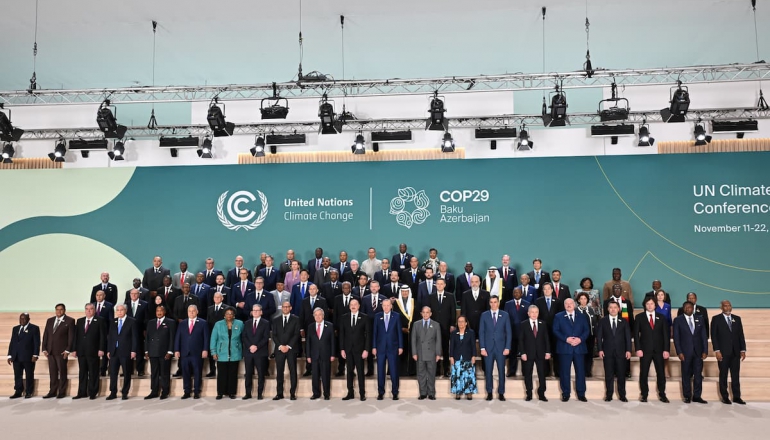
The second Thursday of COP29, 21 November, was Gender Day. The conference was drawing to a close, but, at last, a light was shone on the issue of gender equality.
Parties to the UN Framework Convention on Climate Change (UNFCCC) decided to extend the Enhanced Lima Work Programme on Gender for a second decade. Established in 2014, this programme encourages the use of data to actively make climate action – specifically, the work of implementing the UNFCCC and the Paris Agreement – gender-balanced. It also provides a roadmap for producing the parties’ new Gender Action Plan, in time for the COP30 summit in Brazil next year.
Gender has become a more common issue in climate change-related negotiations in recent years, with 81.5% of UNFCCC signatories mentioning gender in their Nationally Determined Contributions. A consensus is forming around the need to achieve gender equality and women’s participation and empowerment during action on climate change.
However, the renewable energy sector, which is key to the current energy and climate crises, remains dominated by men. In China, though the sector provides a huge number of jobs, the percentage of women in these roles has been falling. They also face various barriers in the sector, including a lack of career progression.
Experts consulted by Dialogue Earth at COP29 say that, despite scant official policy, businesses could nevertheless take action to help reduce gender imbalances, such as disclosing gender data in environmental, social and governance (ESG) reports. These experiences in the business world could then inform government policy.