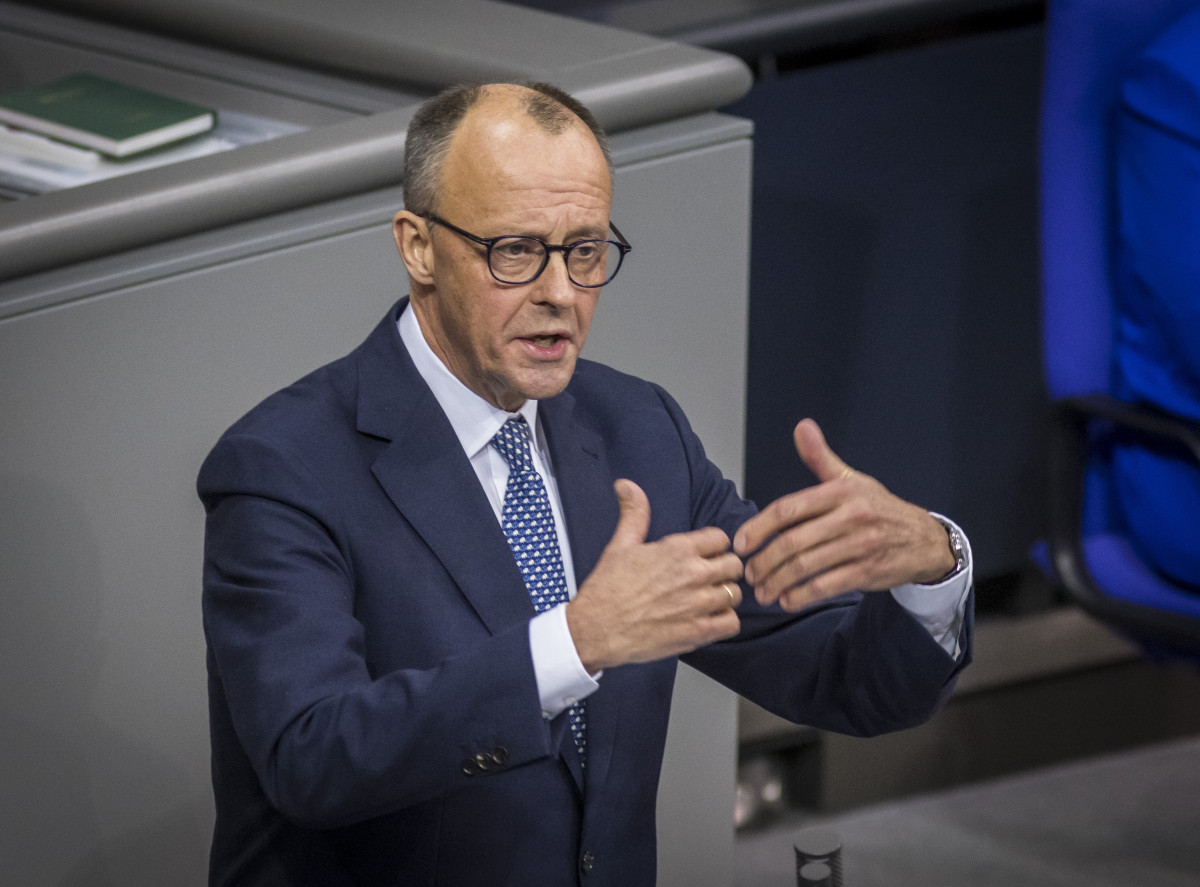
CDU leader Friedrich Merz is set to become Germany's next chancellor. Photo: Deutscher Bundestag, Thomas Köhler / photothek.
Germany’s likely next coalition government has agreed to a substantial electricity price cut to relieve households and companies and honour national and European climate targets. The Conservatives, under probable next chancellor Friedrich Merz, and the Social Democrats said they would continue the energy transition by rolling out renewables, and supporting electric mobility and the decarbonisation of industry.
To the dismay of environmentalists, other climate policy initiatives barely got a mention in the agreements from which formal coalition negotiations will begin, underlining the general expectations that the issue is not a priority for Merz or his budding coalition.
The conservative alliance (CDU/CSU) and Social Democrats have cleared the first hurdle for forming a new government by reaching preliminary agreements on future policies, including a commitment to climate targets, electricity price cuts, and a broad continuation of the country’s landmark energy transition. But environmentalists said the plan lacked ambition and details when it came to emission reductions.
“We stand by the German and European climate targets, knowing full well that global warming is a global problem and that the world must solve it together,” the two parties said in a paper detailing the results of exploratory talks, which will now form the basis for the start of formal coalition negotiations. Likely next chancellor Friedrich Merz has said he wants to reach a final coalition agreement by Easter (mid-April).
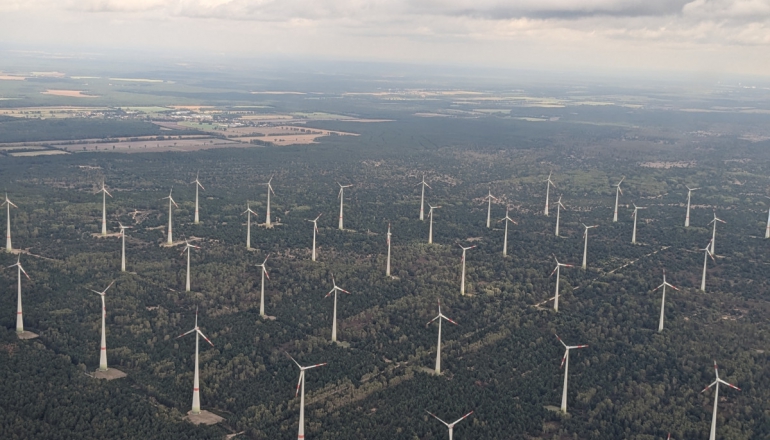
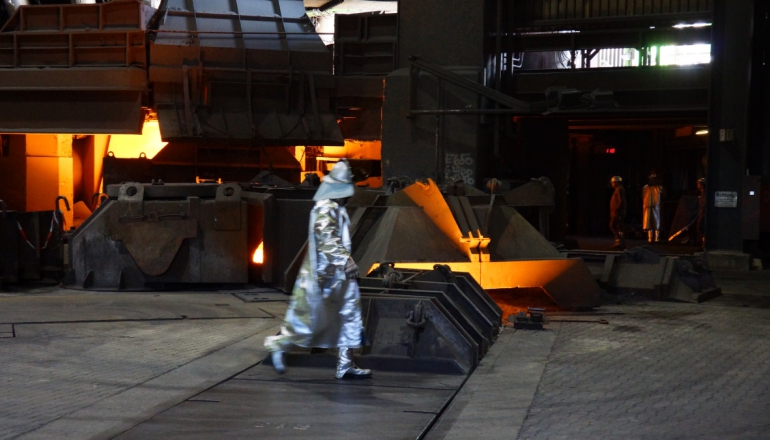
Both parties also agreed to continue the rollout of renewables, grid modernisation and the expansion of hydropower, geothermal energy and energy storage technologies. They also said they wanted to support the decarbonisation of industry by creating lead markets for climate-neutral products, which could involve quotas for climate neutral steel.