.jpg)
(Image: Pexels)
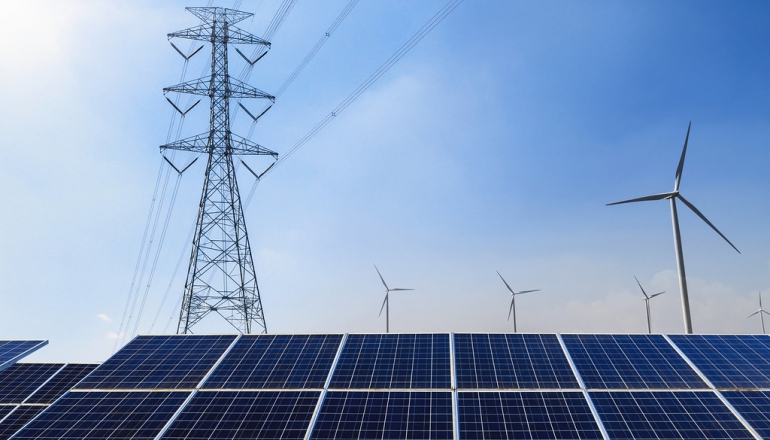
Germany is set to reform its electricity market design as it moves to decarbonise its power sector. In a paper outlining fields of action, the economy ministry (BMWK) presented reform options for the market elements of renewables support, flexible power use, local pricing signals, and generation capacities which can be made available whenever needed. The aim is to ensure the market is cost-effective, to incentivise sufficient investments in new capacity, to coordinate supply and demand with local grid development, and to increase system flexibility.
To meet these aims, the government is considering hydrogen-ready gas power plants to secure electricity supply, as well as the introduction of a so-called capacity mechanism, operational by 2028. This should ensure the business case for power plants, but could also include decentralised elements such as storage facilities and flexible loads. To best coordinate when and where electricity is generated and consumed, the paper also proposes varying grid fees based on time and location, or regional management in funding programmes to influence investment decisions. Innovative tariff models offering cheap electricity when supply is plentiful could incentivise flexible power use. The BMWK will hold consultations until the end of the month.