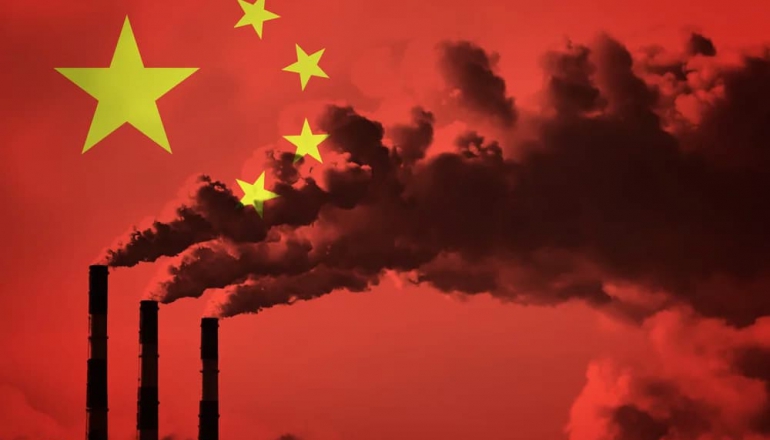
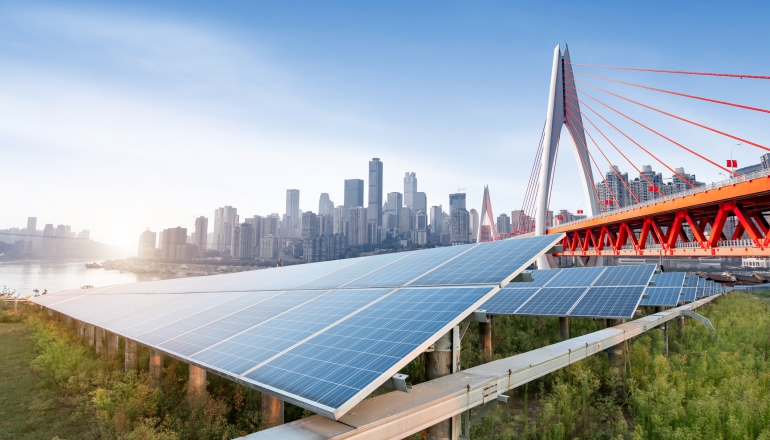
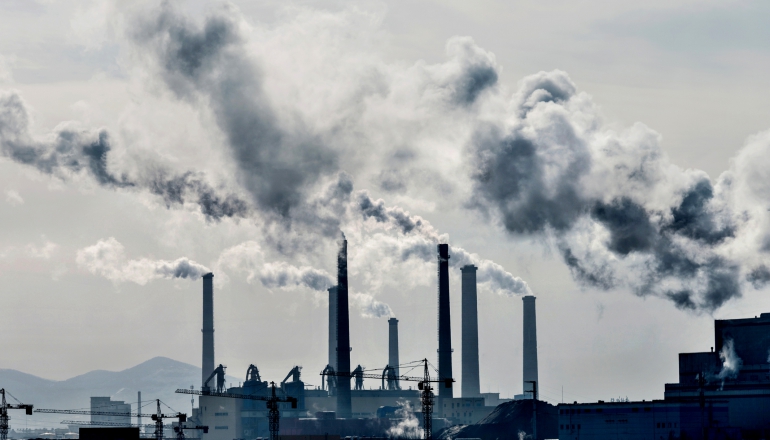
Despite slowing GDP growth, coal consumption is on the up, largely due to a failure to improve energy efficiency.
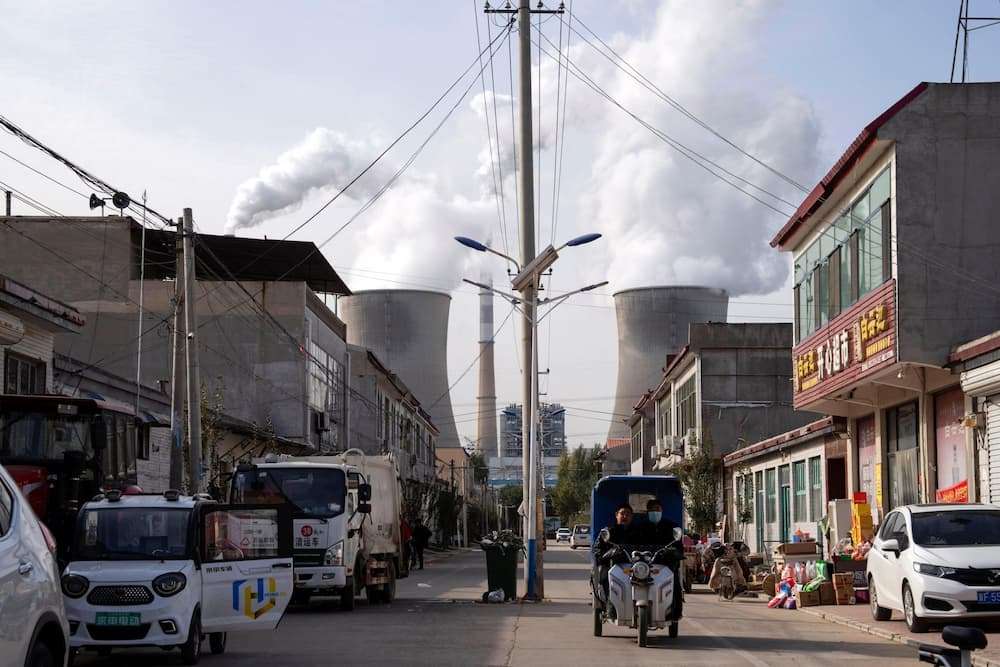
In 2023, China’s energy consumption grew by 5.7% year-on-year, while its GDP grew by 5.2% (Image: Ng Han Guan / Alamy)
Following the emergence of Covid-19 and its impacts, China put a strong emphasis on coal power and energy-intensive heavy industry to secure energy security and GDP growth. This has put it a long way off reaching its 2025 targets for energy and carbon intensity.[1]
How can China ensure these decisions do not make it more difficult to achieve peak carbon emissions by 2030 and carbon neutrality by 2060? Experts recommend tougher controls on coal, reforms to electricity markets, and more rigorous management of energy supply and demand.
Mission almost-impossible
China’s five-year economic plan (FYP) for 2021-2025 set 20 binding targets, including a 13.5% fall in energy intensity and an 18% fall in carbon intensity (carbon emitted per unit of GDP). Meeting these would have required annual falls of 2.8% and 3.9% respectively.
In late 2023, the chair of the National Development and Reform Commission, Zheng Zhajie, said falls in both energy and carbon intensity had been less than expected. According to a recent bulletin from the National Bureau of Statistics (NBS), energy intensity fell only 2.5% in 2023, while carbon intensity held steady.
Energy intensity fell by 2.7% in 2021, and carbon intensity by 3.8%, according to calculations. Falls in 2022, though, were only 0.1% and 0.8%.