.jpg)
Nippon Steel is actively developing low-carbon steel, including hydrogen-based steelmaking. (Photo: Wikipedia Commons)
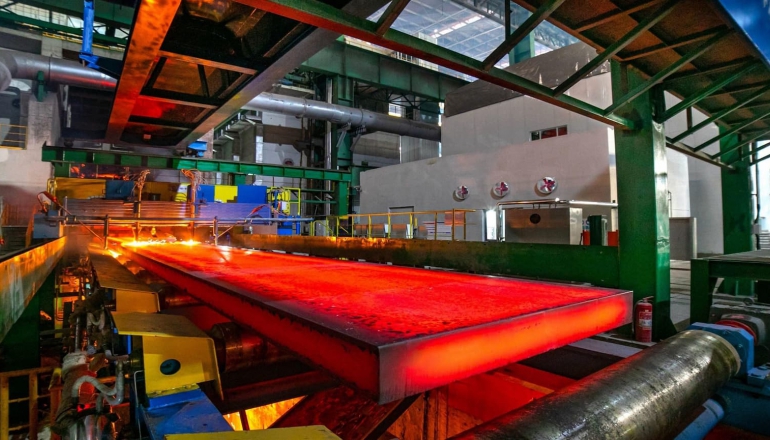
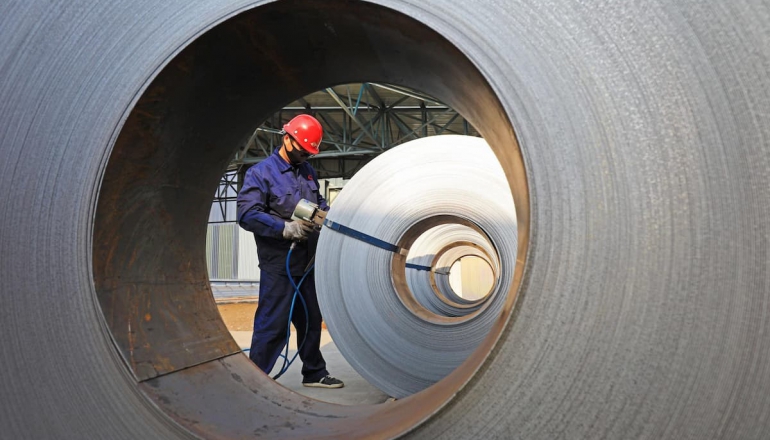
The steel sector is “hard-to-abate”, accounting for about 7% of global carbon emissions, which highlights the importance of low-carbon steel. Currently, companies in Japan, South Korea, and China are actively working on research and development in this area.
Among them, Nippon Steel’s experimental results have even set a world record. Experts suggest that although the green steel manufacturing methods across Asia vary, it’s hard to judge which technology is taking the lead, but the key point is that none of these methods have reached commercialization yet.
Nippon Steel’s green steel reduces emissions by 43%
Steel is a primary material used in vehicle manufacturing, and European automakers, under government pressure, are seeing a growing demand for green steel. Japan plans to start offering subsidies for vehicles using low-carbon steel in April while also planning to amend laws to encourage the use of green steel in products. Other sectors, such as construction and railroads, which are major steel consumers, also have decarbonization needs.