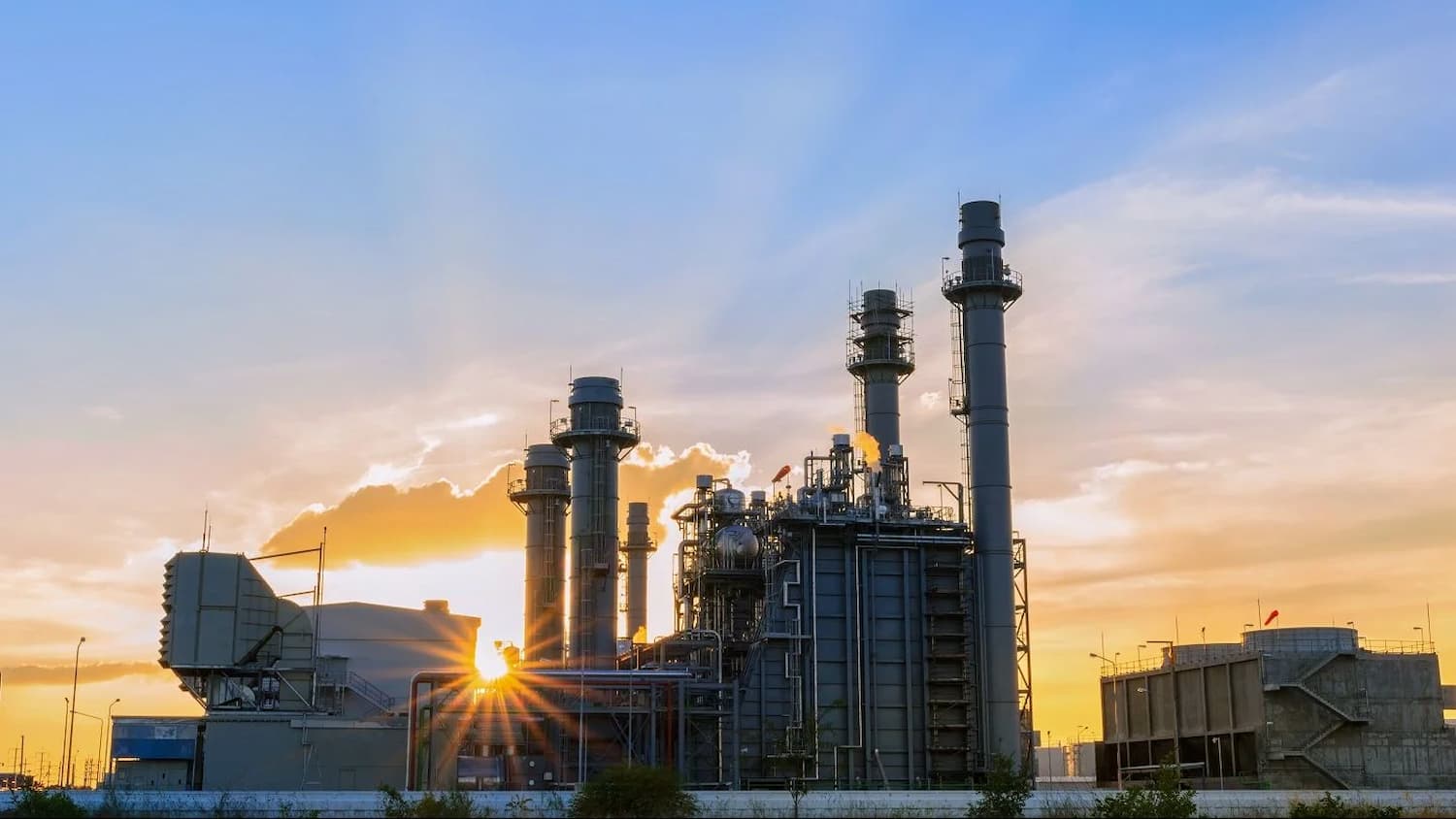
(Photo: Shutterstock)
As demand for decarbonization grows, discussions surrounding carbon capture have gained momentum. However, the technology has also drawn mounting opposition. The fossil fuel industry’s involvement has raised the specter that it could be used to prolong oil and gas extraction. Costs, too, could limit its utility, and there are questions whether the technology can even be scaled up in the first place.
These concerns were a focal point of discussion during COP28 last year. In the coming years, the world will have to decide whether carbon capture can be deployed responsibly and how to handle carbon dioxide.
When should CCS be used?
There are two main ways machines are used to capture carbon. So-called point source carbon capture and storage (CCS) grabs CO2 at the smokestack of sites such as industrial plants. Other technologies pull already-emitted CO2 out of the air, a process called direct air capture (DAC).
Point source can be deployed at oil, gas, and heavy industry facilities. But research shows that the use cases where that would be beneficial to the climate are narrow.


