Origin and overview
The Sustainability Yearbook is widely regarded as one of the most authoritative global rankings recognizing corporate sustainability performance. Its origins date back to 1999, when Swiss sustainable investment pioneer RobecoSAM launched the Corporate Sustainability Assessment (CSA). The firm compiled the yearbook for many years, using quantitative ESG data to identify companies with the strongest sustainability performance in each industry.
In 2020, S&P Global acquired RobecoSAM’s ESG data collection and CSA assessment business. The publication was subsequently renamed the Sustainability Yearbook by S&P Global. Since then, S&P Global has continued to build on the established assessment framework and publishes the yearbook annually, making it an important reference for investors and corporations evaluating ESG performance worldwide.
Evaluation framework and selection scale
The scope of the yearbook’s evaluation has expanded steadily, using transparent and data driven assessments to examine the sustainability performance of major global corporations. In the 2026 edition of the yearbook, a total of 9,243 companies worldwide participated in the CSA assessment, but only 848 were ultimately included in the final list.
To qualify for the yearbook, a company must achieve a CSA score of at least 30, rank within the top 15% of its industry, and maintain a score within 30% of the highest scoring company in the same industry.
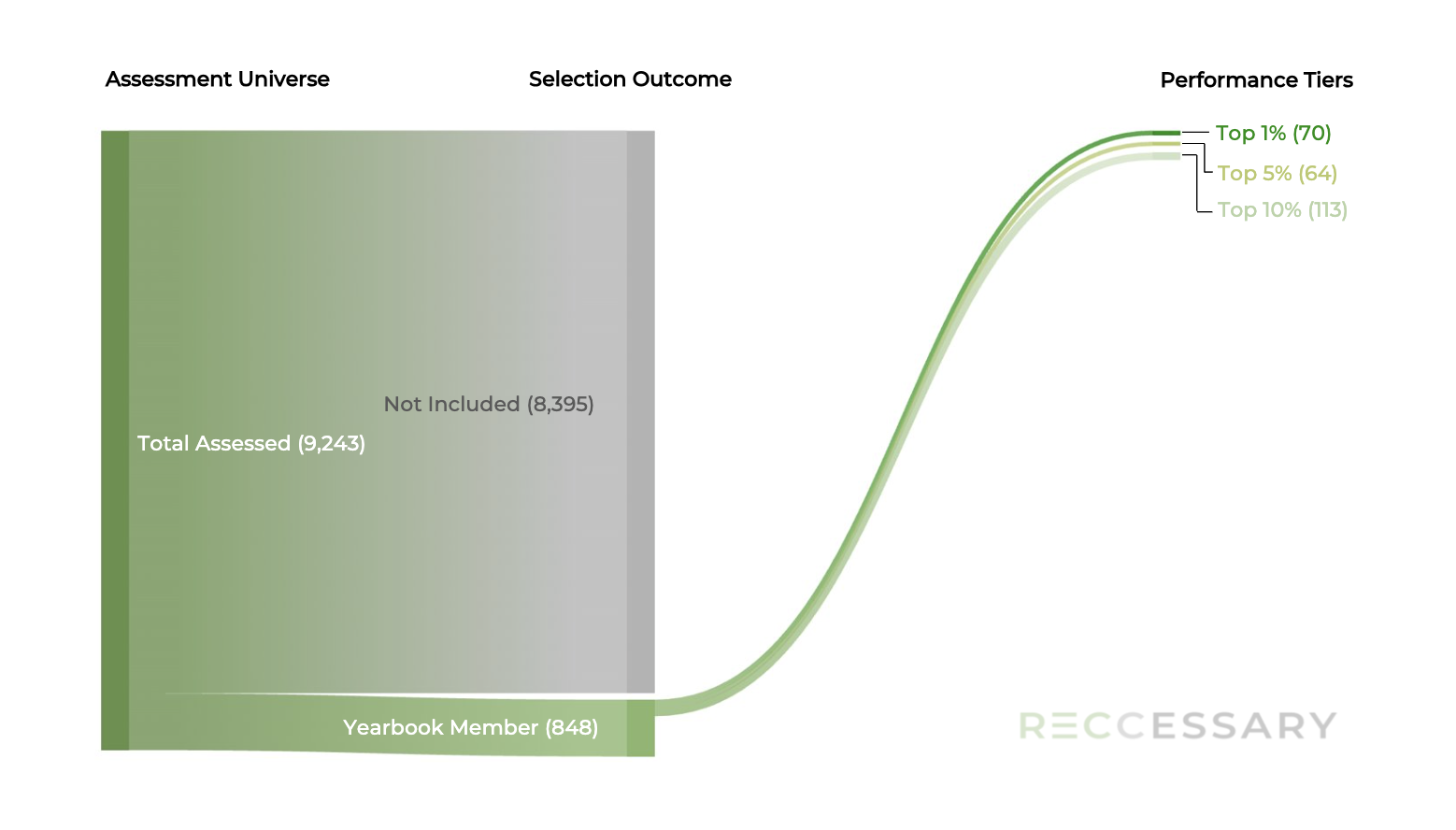
Figure 1. Global evaluation results for the Sustainability Yearbook 2026[1]
According to the latest selection criteria, each tier represents a different level of recognition:
Top 1%: The highest performing companies in their industries. A company must achieve a CSA score of at least 60 and rank within the top 1% of its industry.
Top 5%: Companies with outstanding performance. A company must achieve a CSA score of at least 57 and rank between the top 1% and top 5% within its industry.
Top 10%: Companies performing above most industry peers. A company must achieve a CSA score of at least 54 and rank between the top 5% and top 10% within its industry.
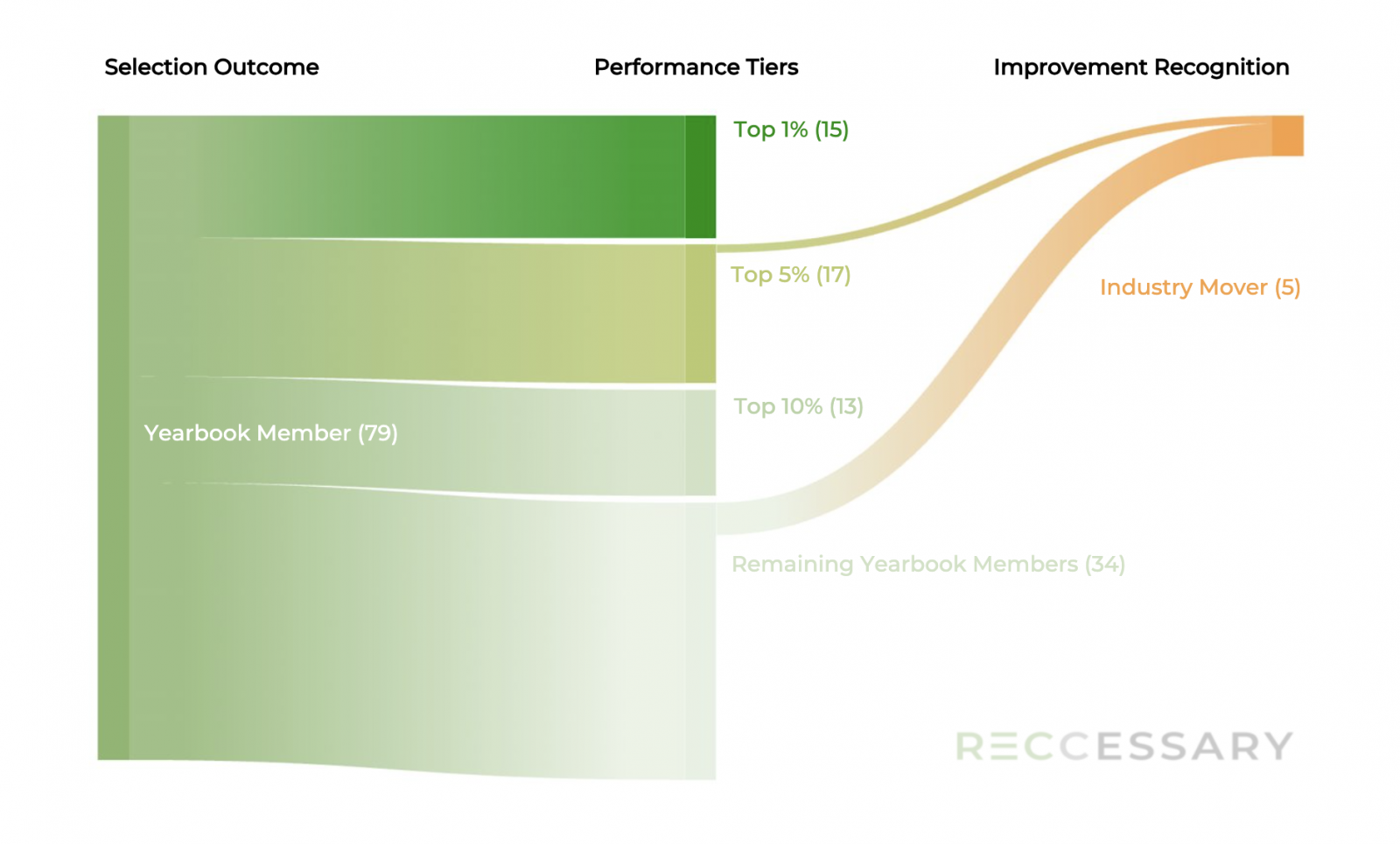
Figure 2. Taiwan’s performance in the Sustainability Yearbook 2026[2]
In the 2026 edition of the Sustainability Yearbook, Taiwanese companies accounted for 9.3% of the total list, with more than half of them ranked within the Top 10% of their respective industries.
The yearbook also includes a special recognition category known as Industry Mover, which highlights companies demonstrating the strongest improvement in sustainability performance over the year. To qualify, a company must already be included in the yearbook and must have participated in the assessment for two consecutive years. Its CSA score must increase by at least 5% compared with the previous year, and the improvement must be the largest within its industry.
In 2026, five Taiwanese companies received the Industry Mover distinction: Advantech, Arcadyan, Coretronic, Hua Nan Financial Holdings, and Kinik Company.
S&P Global sustainability yearbook scoring framework and methodology
The scoring system of the Sustainability Yearbook is built on the framework of the CSA. It emphasizes that traditional financial analysis alone cannot fully evaluate a company’s long-term competitiveness and shareholder value if material non-financial factors are ignored.
1. Multilevel scoring structure
S&P Global aggregates scores through a multilayer evaluation process that moves from raw data to final ESG results. The structure is organized as follows:
- Data points: Around 1,000 raw data points are collected for each company and converted into CSA scores ranging from 0 to 100.
- Question scores: These data points are organized into roughly 100 to 130 industry specific questions, where the underlying data is weighted and evaluated.
- Criteria scores: The questions are then grouped into more than 30 evaluation criteria, each representing a specific sustainability dimension.
- Dimension scores: These criteria are further consolidated into three core dimensions: Environmental, Social, and Governance and Economic.
The final ESG score is calculated by applying weighted values to these three dimensions, producing an overall assessment of a company’s sustainability performance.
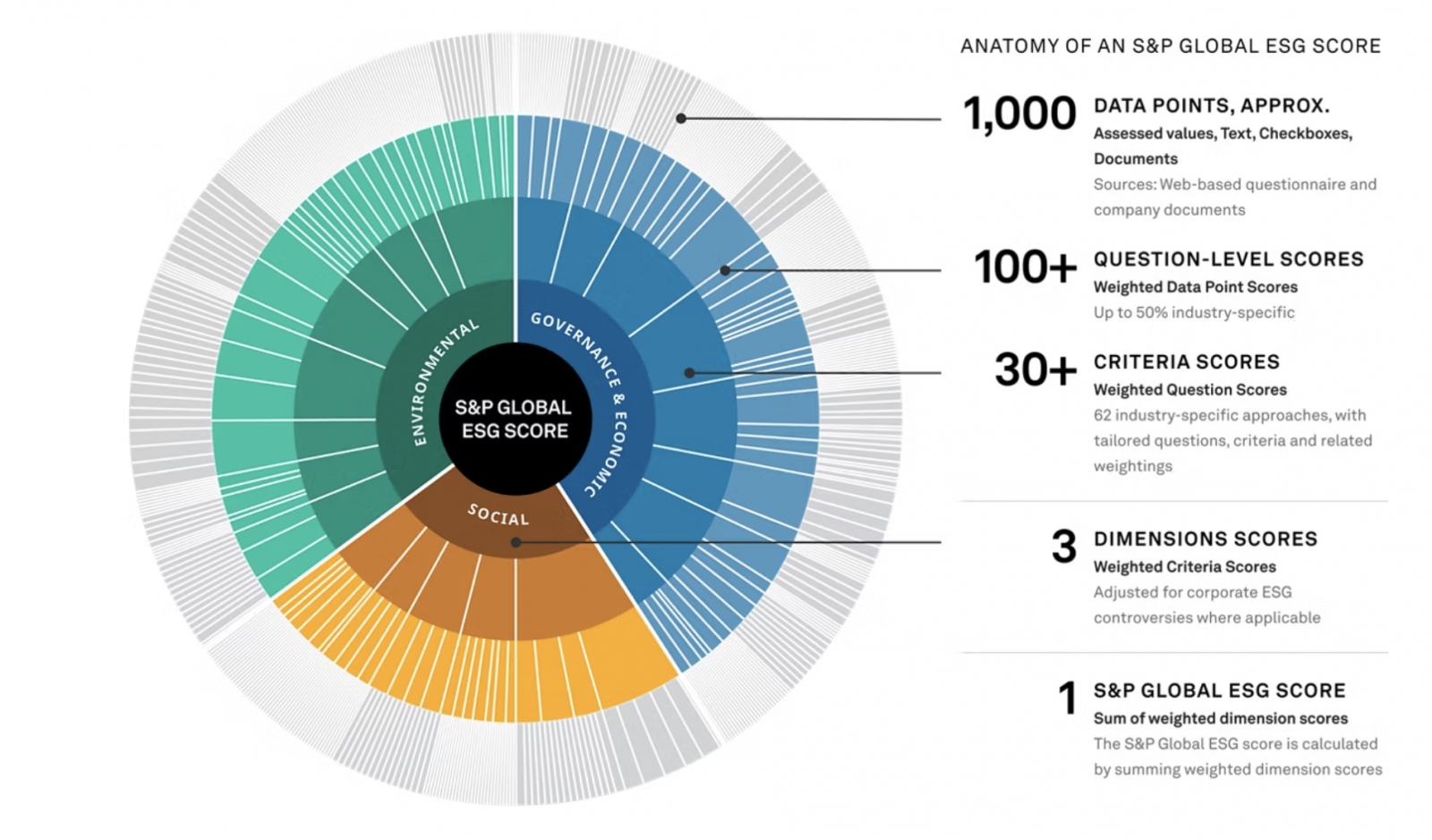
Figure 3. Corporate sustainability assessment scoring framework[3]
2. Materiality weighting and industry classification
The assessment framework places strong emphasis on industry differentiation. S&P Global classifies companies into 62 CSA industry categories based on the Global Industry Classification Standard (GIS®).
- General and industry specific indicators: The scoring framework includes general criteria such as corporate governance, human capital management, and risk and crisis management. These indicators account for around 40% to 50% of the total score. The remaining portion consists of industry specific criteria designed to reflect the economic, environmental, and social challenges faced by each sector.
- Double materiality: The evaluation considers two dimensions: the significance of an issue’s impact on society or the environment, and its material influence on corporate value drivers, competitive positioning, and long-term shareholder value creation.
3. Controversy adjustments through media and stakeholder analysis
The final score is not determined solely by company disclosures in the questionnaire. It also incorporates a dynamic review known as Media and Stakeholder Analysis (MSA).
- Continuous monitoring: Through the MSA process, S&P Global continuously monitors companies for negative controversy events reported by media outlets and stakeholders.
- Score adjustment mechanism: If the MSA process identifies major deficiencies in a company’s management systems, operational controls, or risk prevention mechanisms, and the event presents potential operational or reputational risks, S&P Global may apply downward adjustments to the company’s CSA and ESG scores.
4. Annual criteria review and updates
To ensure the assessment reflects emerging global issues and regulatory developments, S&P Global conducts an annual review of its evaluation criteria. Outdated indicators may be removed, while forward looking sustainability topics are introduced. This process encourages companies to continuously strengthen their ESG management practices rather than relying solely on static information disclosure.
Core value of the S&P Global sustainability yearbook
The Sustainability Yearbook identifies corporate leaders with strong strategic resilience through a highly selective admission process. It also transforms ESG from a general compliance requirement into a framework built on measurable indicators. Beyond serving as a symbol of recognition, the yearbook reflects several deeper market values.
- Financial materiality: The evaluation focuses on ESG factors that can significantly influence corporate operations, cash flow, and long-term value creation.
- Strategic integration: The framework encourages companies to integrate sustainability goals into governance structures, risk management systems, and decision-making processes, rather than treating ESG as a public relations exercise.
- Continuous improvement: Through its annual review mechanism, the yearbook pushes companies to continuously strengthen their sustainability performance in response to emerging risks and evolving global expectations.
Source
[1][2] S&P Global - The Sustainability Yearbook - 2026 Rankings
[3]S&P Global - Corporate Sustainability Assessment Methodology
Updated: 2026/3/23
