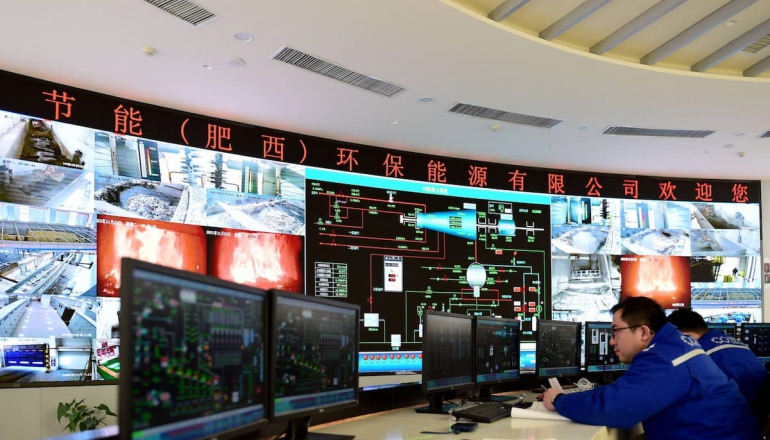
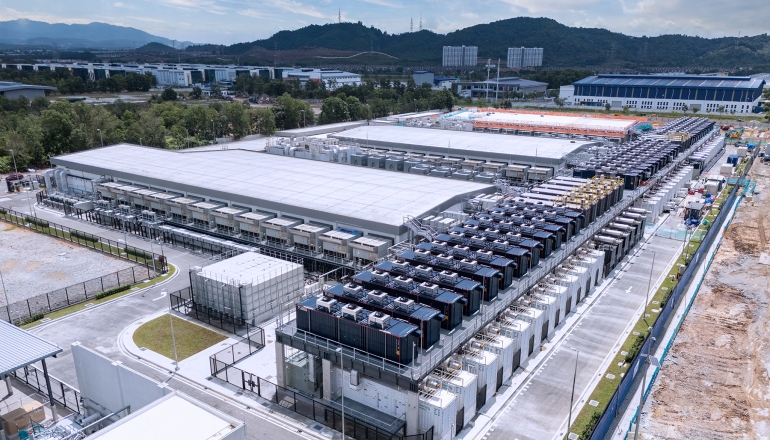
As Thailand races to become the next data center hub, the government has approved a direct power purchase agreement (DPPA) scheme with a power generation capacity of 2 gigawatts.
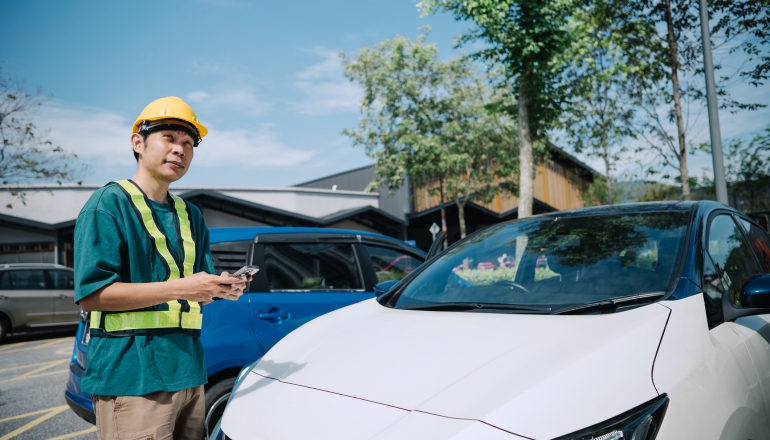
Malaysia has introduced the country’s—and ASEAN’s first—Electric Vehicle (EV) Battery Passport Standard, requiring full lifecycle transparency from production to end-of-life reuse.
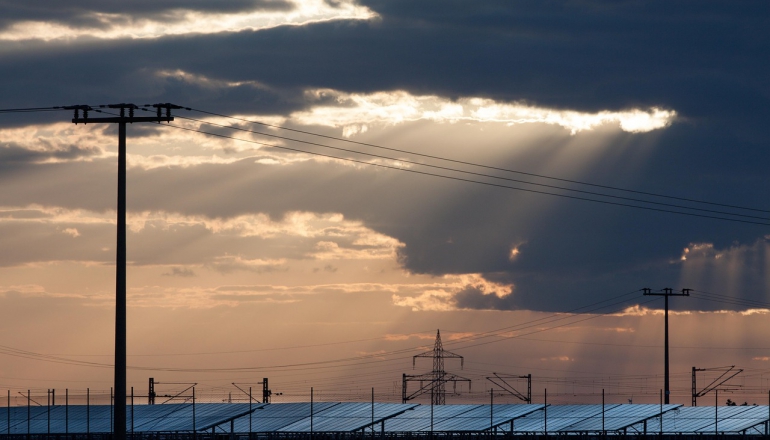
Taiwan’s solar sector has faced a difficult year. According to data from the Energy Administration of MOEA, only 738 MW of new solar capacity are installed as of August, putting the industry on track for a record low in annual additions.
Indonesia is using the COP30 to aggressively market its carbon credits, launching daily “Sellers Meet Buyers” sessions and seeking international commitments 6 despite unresolved integrity issues in its carbon market.
Indonesia’s bioenergy sector is seeing a string of positive developments. Japanese automaker Toyota plans to partner with state-owned oil and gas company Pertamina to jointly develop bioethanol in Indonesia, with investment expected to reach up to IDR 2.5
Singapore-based sustainability consultancy Saxon Renewables’ grouped EV-charging carbon project, EVolve, has been officially registered under Verra and is planning regional expansion.
Southeast Asia has 20 TW of untapped VRE potential, but countries remain at different integration stages and will rely on the ASEAN power grid to scale up, the IEA says.
Global fossil fuel emissions are projected to rise in 2025 to a new all-time high, with all sources – coal, gas, and oil – contributing to the increase.
At COP30, Taiwan tech leaders Delta, AUO and Acer showcased how they are advancing climate action through AI-powered solutions and integrated ESG strategies.
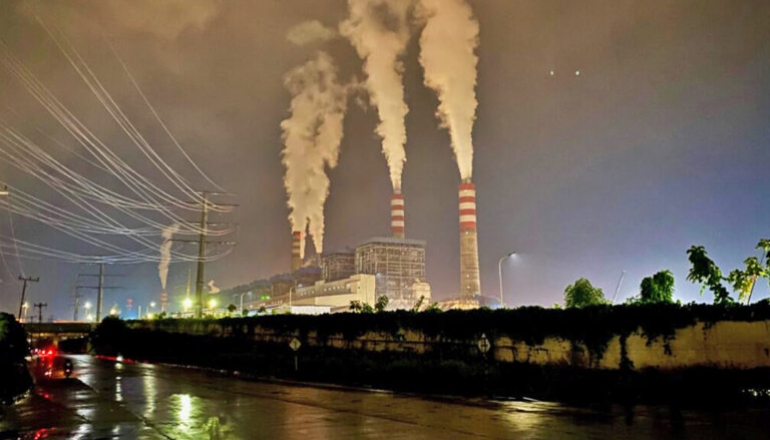
Chinese president Xi Jinping has pledged to end the country’s financing of overseas coal projects — but a surge in Chinese-backed coal-fired power plants to supply electricity to nickel mining and processing undermines that pledge.