China’s exports of clean-energy technologies such as solar panels, batteries and electric vehicles are increasingly helping to cut emissions in other countries.
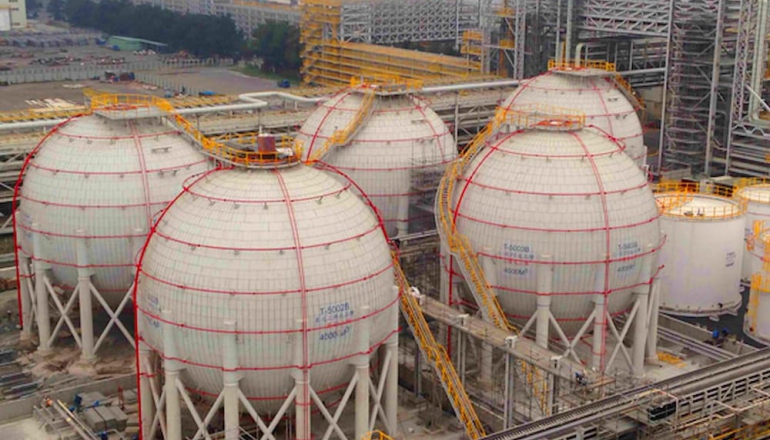
Japanese heavy industry firm Kanadevia announced a partnership with Taiwan’s Liang Lian Industries to jointly construct spherical liquefied CO2 storage tanks on July 22. The collaboration targets carbon storage projects in Southeast Asia.
The World Economic Forum (WEF) launched the Biodiversity Credits Initiative in 2022, aiming to stimulate investment through market-based mechanisms. But how has this emerging market evolved since then and what risks does it entail?
As the electrification of transport and heating accelerates, many worry the increased demand could overload national power grids. In Australia, electricity consumption is expected to double by 2050.
UK potatoes, South Korean cabbage and west African cocoa are just some of the foods that became markedly more expensive after extreme weather events in recent years, according to new research.
Prime Minister Shigeru Ishiba’s ruling coalition suffered a defeat in the recent national election. However, with broad cross-party support for nuclear energy, Japan’s direction toward nuclear revival is unlikely to change.
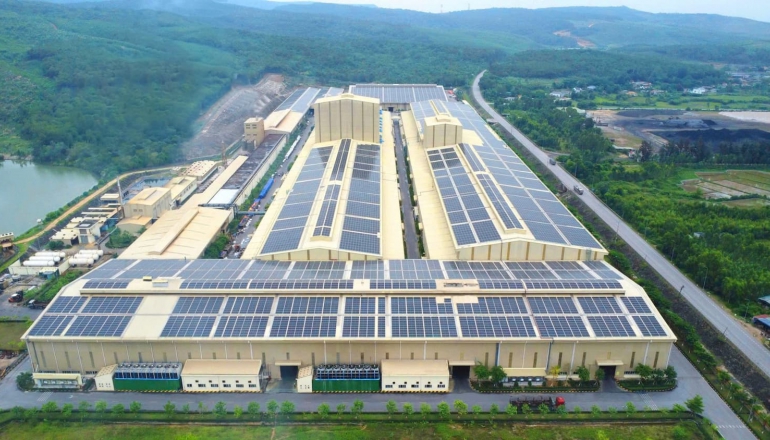
To strengthen its green competitiveness, Vietnamese steel giant Hoa Sen Group has partnered with Singapore’s SP Group to deploy a Cooling-as-a-Service (CaaS) system, combined with rooftop solar power.
A new rewilding program aims to boost the local population of bamboo sharks in the waters of Khao Lak, Thailand. Since the project launched in 2018, with the support of luxury resorts in the area, it has released 200 bamboo sharks into the wild.
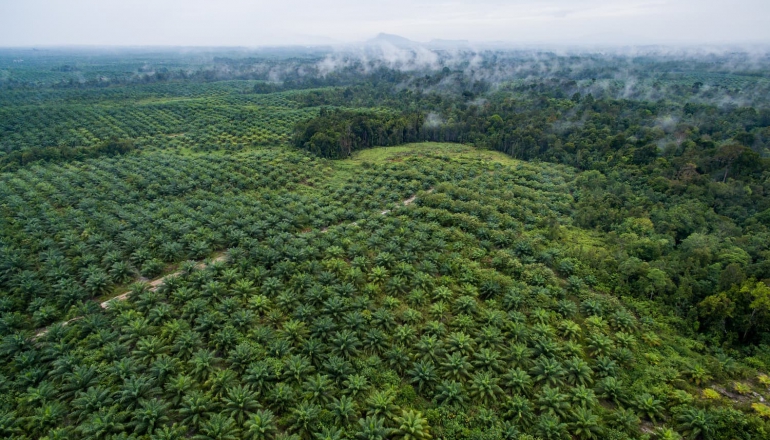
Indonesia’s plan to raise its palm oil-based biodiesel blend to 50% next year is now in question. A senior official from the ESDM acknowledged ongoing uncertainty over palm oil feedstock availability and production capacity.
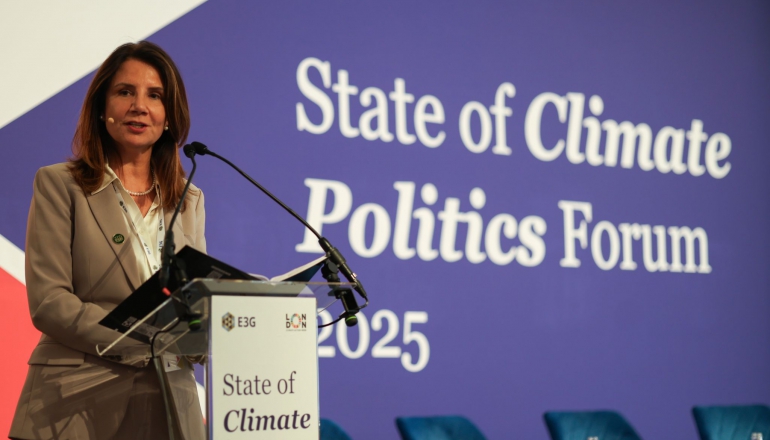
As Brazil ramps up offshore oil exploration at the mouth of the Amazon River, the CEO of COP30 urged wealthy nations to be the first to cut back on both producing and consuming fossil fuels.
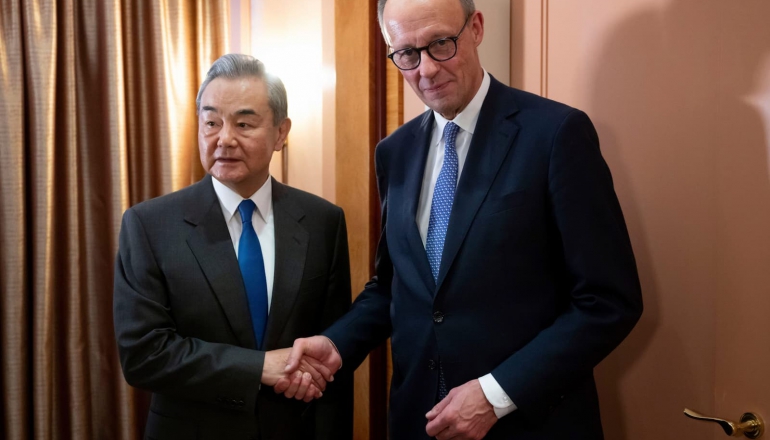
In this moment of geopolitical flux and climate urgency, the new German government can act as a vital broker between Europe and China, write three policy experts.