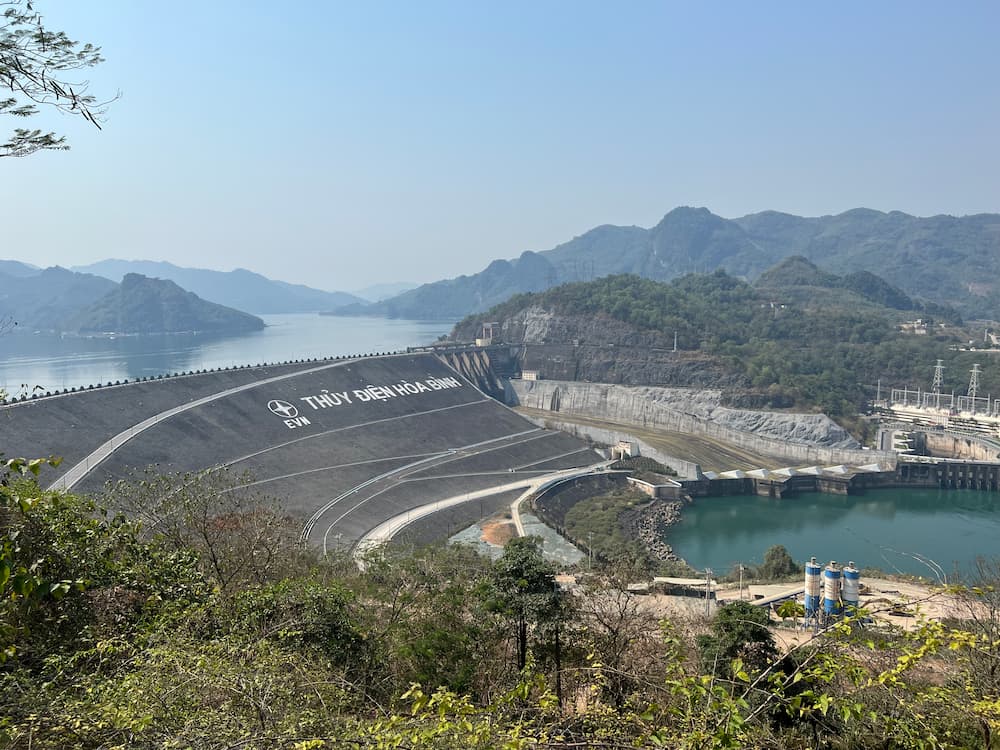
The Hoa Binh Hydropower Station in Vietnam. The country faced a severe drought this year, which drastically reduced hydropower output. (Photo: Wikimedia Commons)
As global geopolitical tensions rise, many businesses are gradually relocating their manufacturing facilities to Southeast Asia for risk diversification. Vietnam is committed to promoting energy transition, having pledged net-zero emissions by 2050 at COP26. Additionally, the country has signed the JETP and approved the National Power Development Plan (PDP8) to develop green energy and attract foreign investment for facility establishment.
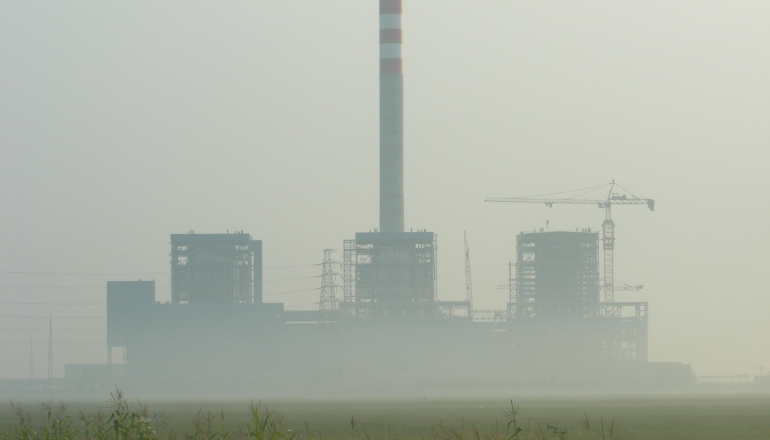
Despite clear policy direction, the rising electricity demand in recent years, coupled with environmental disasters such as droughts affecting hydropower generation, has led Vietnam government to expand its use of coal-fired power generation. This has raised doubts about the country's commitment to achieving net-zero emissions and heightened concerns among businesses about energy shortages.