RECCESSARY’s “ASEAN Weekly” highlights Southeast Asia’s new energy and carbon market updates. (Image: RECCESSARY)
This week in ASEAN, energy transition efforts converged around renewable integration, energy security policies. Vietnam’s EVN is expanding floating solar investments by integrating PV systems with existing hydropower infrastructure to enhance dry-season electricity stability. Thailand is accelerating policy adjustments in response to rising fuel prices and growing data center demand. Below are ASEAN’s key stories from May 18–24.
The Vietnam power reforms feature series is now live on RECCESSARY
Vietnam’s power market is moving toward greater liberalization and transparency as the government loosens regulations to let supply and demand play a bigger role in determining electricity prices, a shift aimed at boosting the country’s international competitiveness. The reforms have not only given rise to a direct power purchase agreement (DPPA) framework that could accelerate the energy transition, but will also introduce a two-component electricity pricing mechanism designed to reflect actual power costs more accurately.
In this feature series, RECCESSARY examines the rollout of Vietnam’s two major electricity reforms, market response, and their impact on renewable energy developers, corporate power users, and the national power system. Read more here
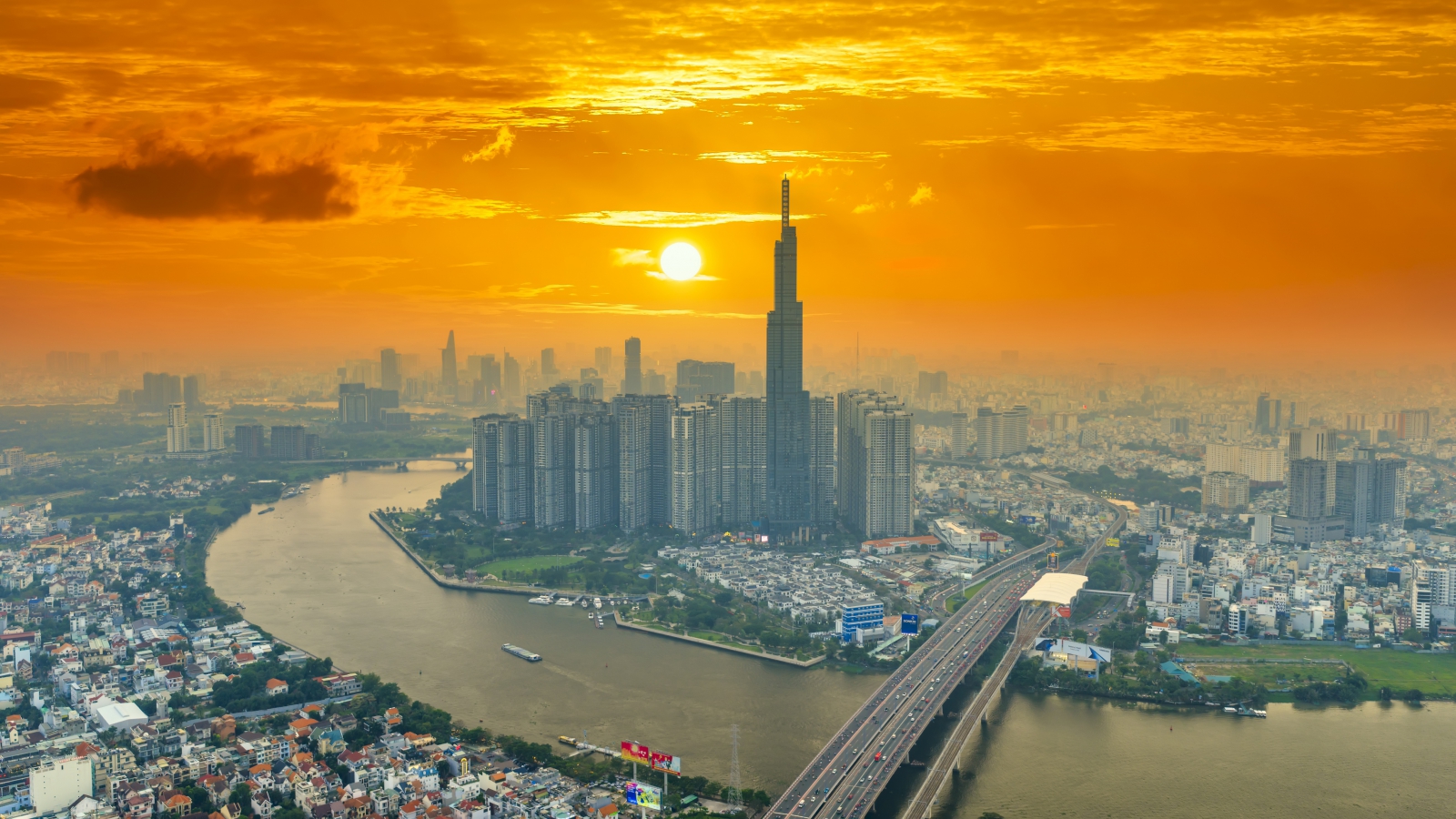
Vietnam is rolling out both a direct power purchase agreement framework and a two-component electricity pricing model. (Photo: iStock)
EVN plans nearly 270 MW floating solar expansion in Vietnam’s hydropower hub
Vietnam Electricity (EVN) subsidiary EVNGENCO1 is planning to invest VND 4.4 trillion (USD167 million) into three floating solar projects, expanding the use of hydropower reservoirs for renewable energy generation.
The projects would add nearly 270 MW of floating solar capacity across reservoirs already operated by the state-owned utility group, allowing new renewable generation to be developed without requiring large additional land areas. Read more here
Thailand proposes data center power surcharge, seeks strategic oil reserve partnership
Thailand is rethinking its approach to energy security and grid modernization costs. Thailand’s newly appointed Energy Minister Akanat Promphan has proposed new financial obligations for data center operators while pursuing a strategic petroleum reserve (SPR) partnership with Middle Eastern oil producers. “The wave of data center investment coming into Thailand must be managed carefully,” Akanat said. Read more here
Singapore begins IAEA nuclear readiness process, assesses 19 infrastructure areas
Singapore will undergo an International Atomic Energy Agency (IAEA) review in 2027 to assess whether the country has the institutional, technical and regulatory foundations needed to make an informed decision on nuclear energy deployment.
Prime Minister Lawrence Wong said the assessment does not represent a decision to deploy nuclear energy, but rather an evaluation of whether Singapore has developed the capabilities needed to seriously consider the option in the future. Read more here
Malaysia shifts EV charging expansion strategy from quantity to quality
Malaysia’s electric vehicle (EV) charging network has reached only about half of its national target, underscoring the challenges of scaling up infrastructure. The Malaysia Automotive, Robotics and IoT Institute (MARii), an agency under the Ministry of Investment, Trade and Industry, said the market is no longer focused solely on the number of chargers installed, but rather on identifying the most suitable development pathways.
Industry players point to three key bottlenecks constraining deployment. At the same time, they remain optimistic that volatility in global oil prices is driving renewed interest in EVs, which could in turn stimulate demand for charging infrastructure. Read more here

Malaysia’s EV charging market is shifting from prioritizing quantity to focusing on quality. (Photo: EV Connection)
Indonesia’s move to centralize coal, palm oil and nickel exports alarms industry
Indonesian President Prabowo Subianto has announced that a newly created state-owned enterprise will soon take control of exports for several of the country’s most important commodities, including coal, palm oil, nickel and potentially other strategic mineral resources. Under the new framework, Danantara Sumberdaya Indonesia (DSI), which is 99% owned by sovereign wealth fund Danantara, will become the sole export channel for the commodities.
Indonesia is currently the world’s largest exporter of palm oil, thermal coal and nickel, all commodities that play a central role in global energy and industrial supply chains, including electric vehicle batteries. Read more here
How the Philippines is preparing its nuclear workforce for a revival
In 2025, President Ferdinand Marcos Jr signed a law creating the Philippine Atomic Energy Regulatory Authority, tasked with ensuring the safe and secure use of nuclear power. With this regulatory agency in place, the government is aiming to bring its first nuclear power plant online by 2032.
But building or reviving reactor projects is only part of the challenge. The Philippines must first develop a workforce with the expertise to design, regulate and operate nuclear facilities – skills that have largely disappeared since the country abandoned its nuclear program in the 1980s. Read more here
Nuclear energy renaissance in Southeast Asia: A role for China?
Southeast Asia stands at the threshold of a nuclear renaissance. Vietnam and Russia signed an agreement in March 2026 for the Ninh Thuan 1 nuclear power plant. The Philippines and Indonesia aim to have operational reactors by the early 2030s. Malaysia, Thailand, and Singapore are studying small modular reactors (SMRs). Given heightened energy insecurity, climate commitments, and the imperative to meet surging electricity demand from industrial growth, data centres and AI development, nuclear energy is featuring more saliently in Southeast Asian economies’ development strategies. Against this backdrop, China stands as an attractive partner alongside established exporters such as France, Russia, South Korea, and the US. Read more here
Indonesia’s nickel boom linked to rising illness and worker harm, reports find
New research examining Indonesia’s vast nickel-processing regions has documented rising rates of ill health and workplace harm linked to a key industry supplying the global energy transition.
A report published in April by Indonesia’s human rights commission, known as Komnas HAM, cited Central Sulawesi provincial health data showing respiratory infections reached 305,191 diagnoses in 2024, a 26% increase over the 262,160 cases recorded in 2023. Read more here
Track ASEAN energy and carbon markets with clarity. Subscribe to RECCESSARY for policy intelligence and business-ready insights across Asia-Pacific.