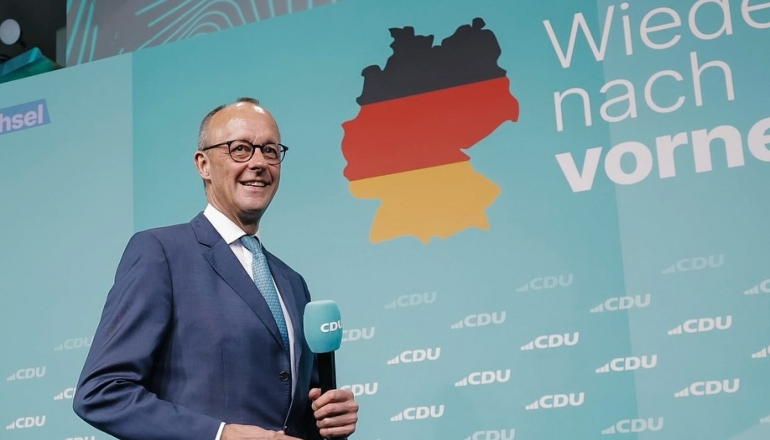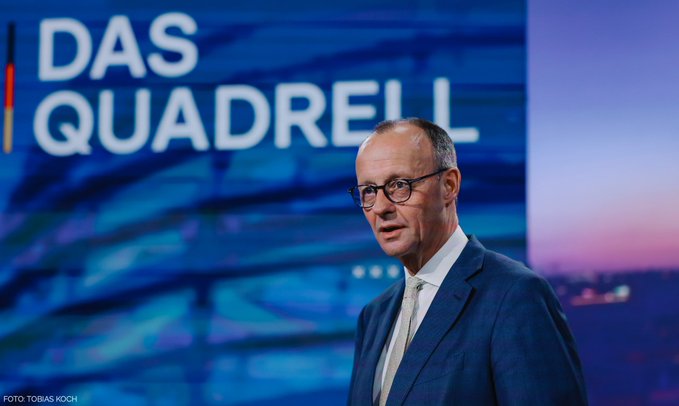
Friedrich Merz, leader of the CDU, is poised to become Germany's new Chancellor. (Photo: Friedrich Merz's X account)
Germany will hold its federal election on Feb. 23, and the results may not be favorable for climate policy development.
The Christian Democratic Union/Christian Social Union (CDU/CSU), currently leading in the polls, has already signaled plans to adjust climate funds, cancel related subsidies, and lift the ban on fossil fuel boilers. These changes could ultimately slow down the carbon reduction process and diminish Germany’s role in the EU's energy transition.
Election focus on national security, immigration
Due to internal conflicts within the coalition government led by Chancellor Olaf Scholz at the end of last year, which led to a failed confidence vote in parliament, the government will dissolve parliament and hold elections earlier than expected. Polls indicate strong support for the conservative opposition alliance, which focuses on national security and immigration, with approval ratings around 30%, nearly double that of other parties.