









What does China’s 15th ‘five-year plan’ for renewables mean for climate change?
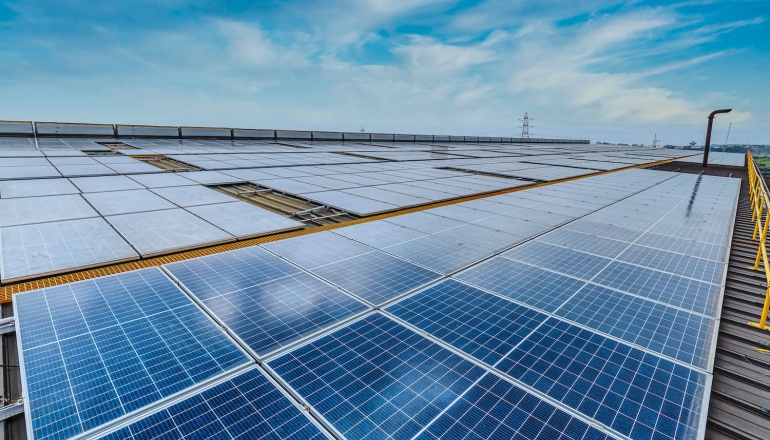
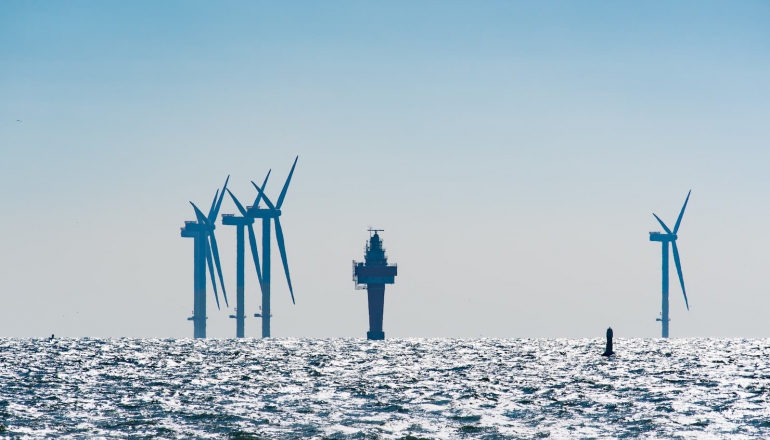
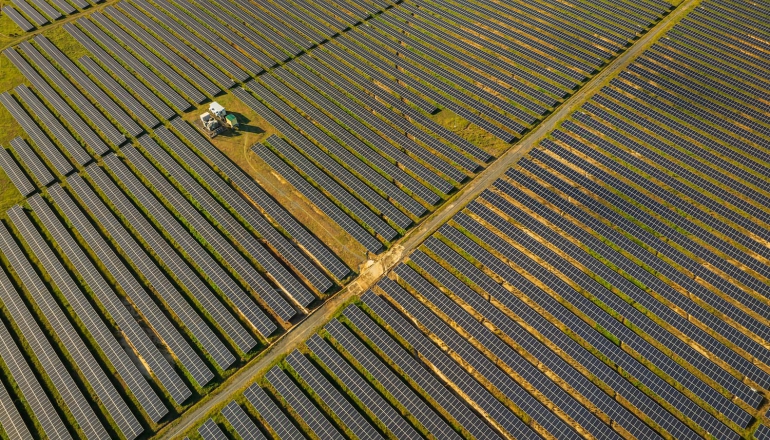
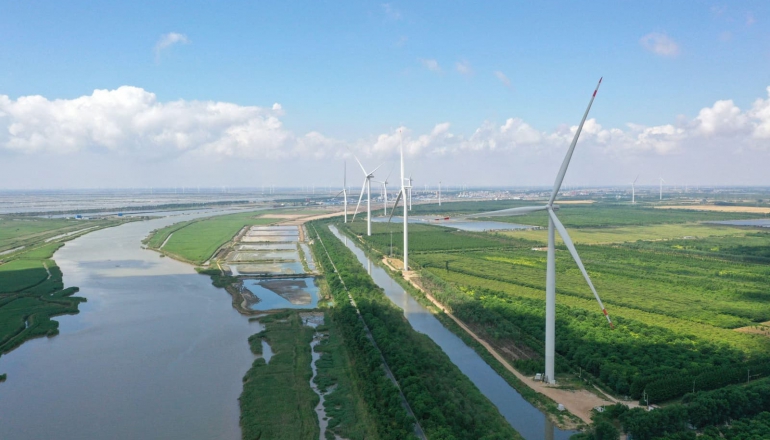
China has released its “15th five-year plan for the development of renewable energy”, outlining key targets and policies for the sector in 2026-2030.

China has released its “15th five-year plan for the development of renewable energy”, outlining key targets and policies for the sector in 2026-2030.

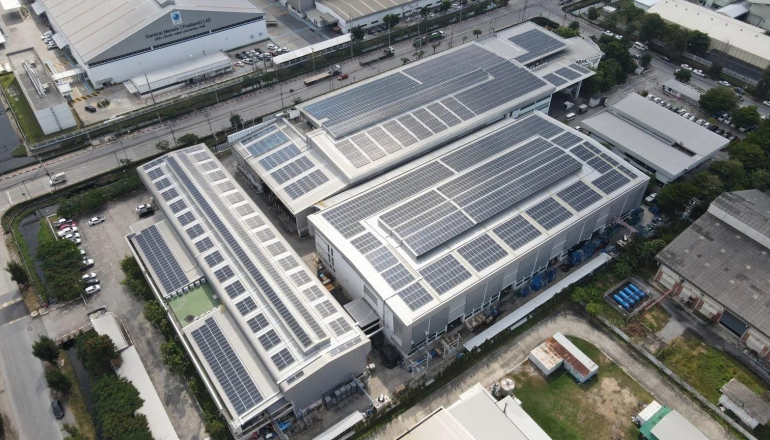
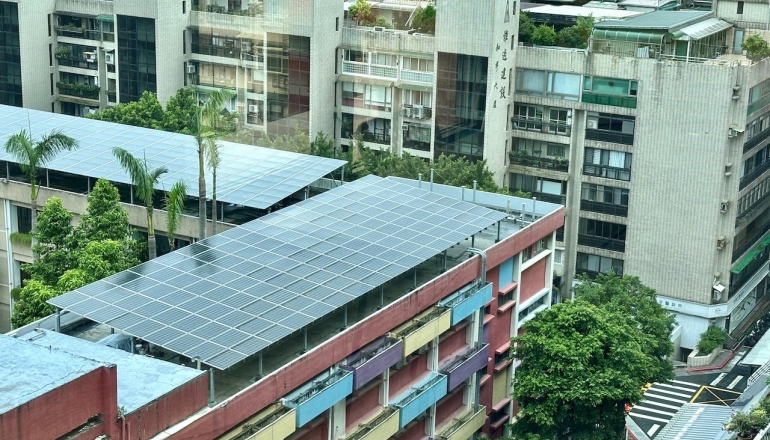
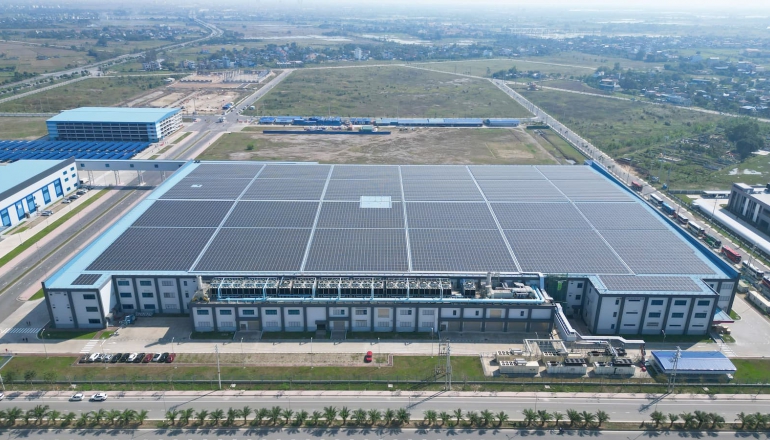
Bangkok leads Asia-Pacific for data center capacity under construction in 2026. WHA needs 1,000 MW of green power for its EEC park; Gulf's DPPA supply model awaits a virtual framework still pending.


China has released its “15th five-year plan for the development of renewable energy”, outlining key targets and policies for the sector in 2026-2030.

Bangkok leads Asia-Pacific for data center capacity under construction in 2026. WHA needs 1,000 MW of green power for its EEC park; Gulf's DPPA supply model awaits a virtual framework still pending.


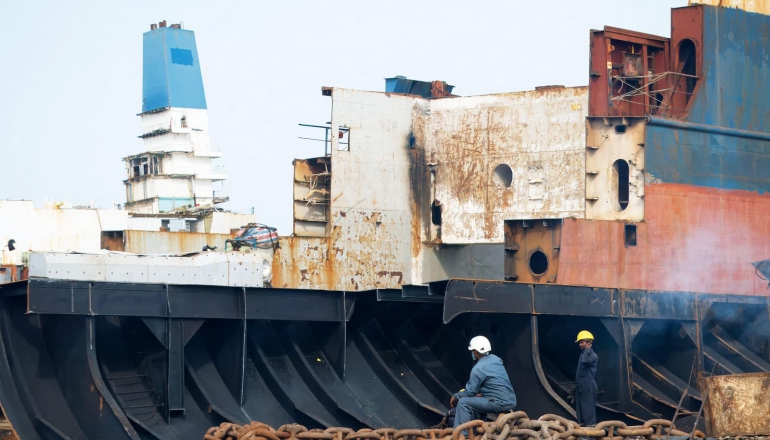
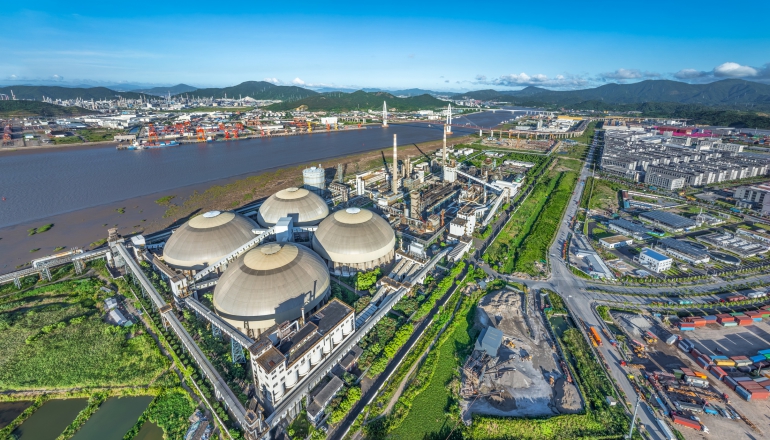
Old ships contain mountains of scrap needed for lower-carbon steelmaking. But the course from ship to furnace is made harder by global politics.

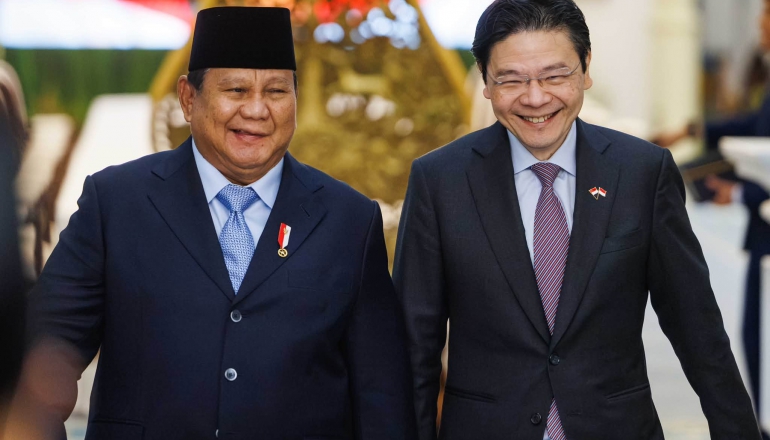
Will the Prabowo administration's agenda of centralisation and state control over the nickel sector build lasting industrial capacity, or be even more extractive?


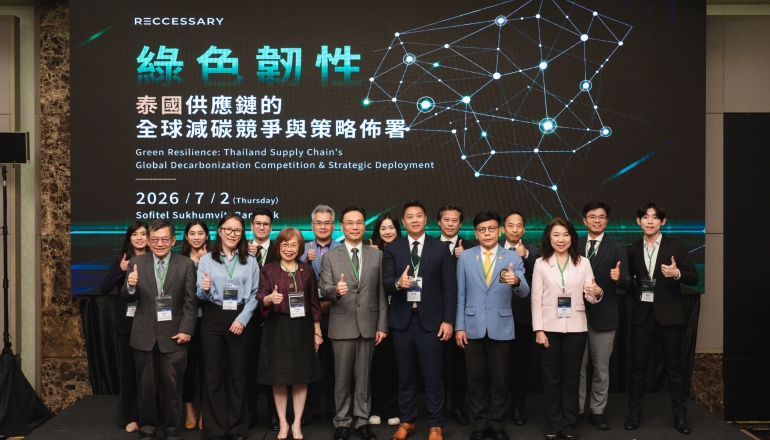
RECCESSARY's Bangkok seminar showed recycled aluminum saves €21/tCO₂e today and avoids €6,243 in CBAM costs by 2034 vs €230 for recycled. Suppliers covering 70% of brand footprints face audit-ready data demands.

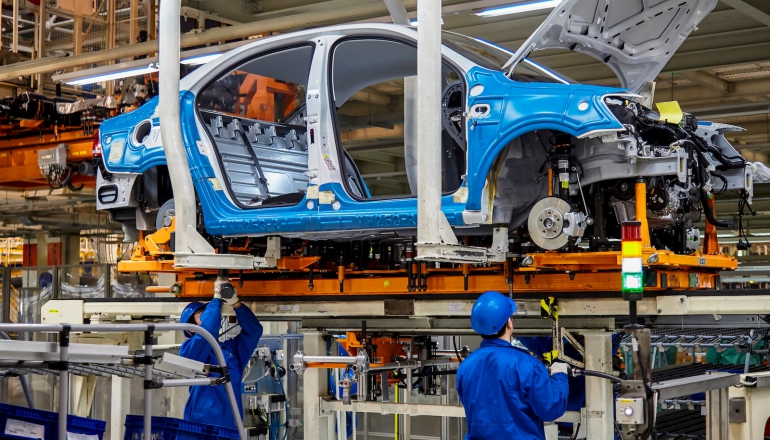
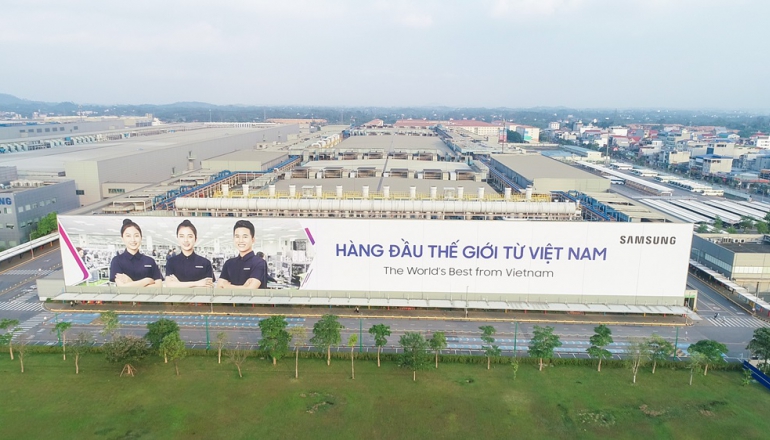
Thailand's auto parts makers face a two-year window before CBAM could cover wheels and gearboxes by 2028. Maxion's Thailand plant reaches 25% renewables vs 40–55% at its India facilities.


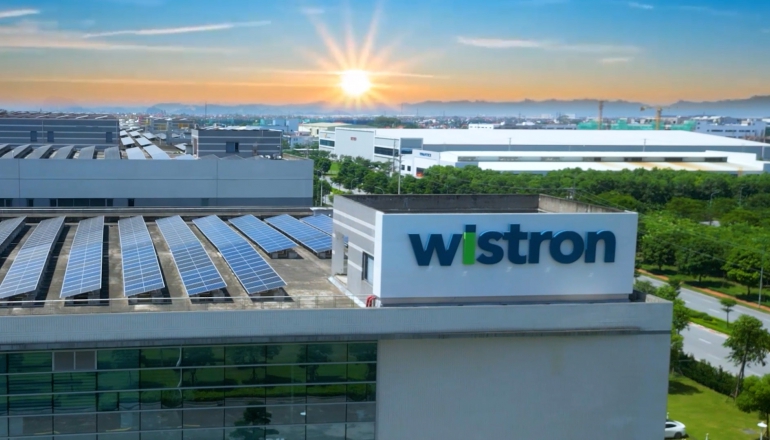
Thailand is ASEAN's largest PCB base with THB 200B in investment since 2022, but renewables cover only 3% of power use. DPPA access is limited to data centers, leaving PCB makers reliant on rooftop solar and I-RECs.

The impact of CBAM is extending beyond steel and aluminum to downstream electronics and automotive supply chains. If indirect emissions from electricity are included by 2030, CBAM costs for Thailand’s primary aluminum could increase by up to 4.45 times.


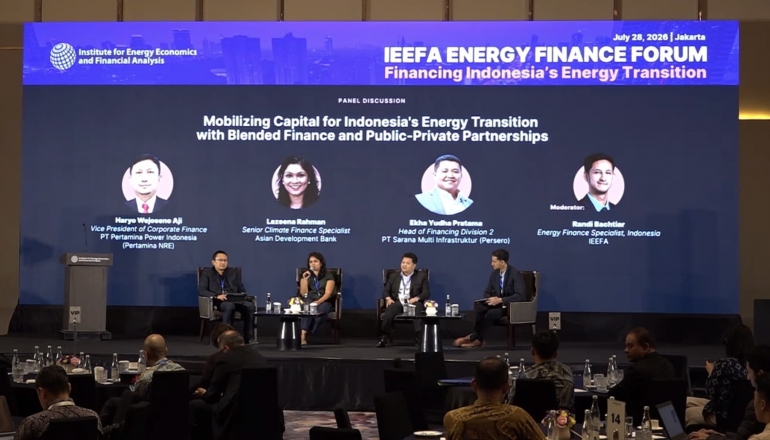
ADB's Indonesia renewable portfolio tops 600 MW but blended finance "cannot address perpetual regulatory uncertainty." Land delays alone can raise EPC costs 20% and cut returns by 4 percentage points.

Experts have warned that Thailand needs to find a balance between economic development and the water and energy resources required to fuel data centers.


Southeast Asia, home to a global manufacturing supply chain, plays a key role in achieving net zero goals. Via Reccessary's market information, research, and sustainability data, companies can stay ahead of the trend and seize opportunities of the energy transition in Southeast Asia.
About usWhether you are looking to purchase green energy or considering investing in renewable energy projects, our compilation of the energy environment, policies and regulations, as well as the market potential of various countries will provide you with a quick overview of the current situation, challenges, and viable green energy solutions in Southeast Asia, allowing you to develop energy transition strategy.
Buyers' ToolkitAccess essential ESG data intelligence of major companies across industries worldwide. Review your own performance on the path to carbon reduction and take actions to enhance your competitiveness.
MoreAn ESG score isn't just a number. Share your ESG performance to show your progress toward sustainability and prove that your company is a forward-thinking entity that will satisfy investor's needs.
More
The compilation of carbon taxes under different schemes enables companies to assess the carbon cost for operations in different countries.
Carbon labels show the carbon emissions generated by companies and products at the stages of raw materials, manufacturing, transport, distribution, usage, and disposal, as a consideration for consumers when making purchases, and to encourage companies to go low-carbon in their product development.
Carbon trading mechanisms are introduced by governments to encourage businesses to reduce their emissions and sell excess credits for revenue, thus achieving carbon neutrality.
Profit/non-profit renewable energy initiatives, such as RE100, aim to stimulate the use of renewable energy by businesses and communities.
Green energy labels are created to ensure a reliable source of Renewable Energy Certificates (RECs), which come in various types depending on regional requirements.
Renewable Energy Certificates (RECs) or Energy Attribute Certificates (EACs) is a tracking tool acting as a proof of green power generation and consumption, with each certificate representing 1 MWh of green electricity.