.jpg)
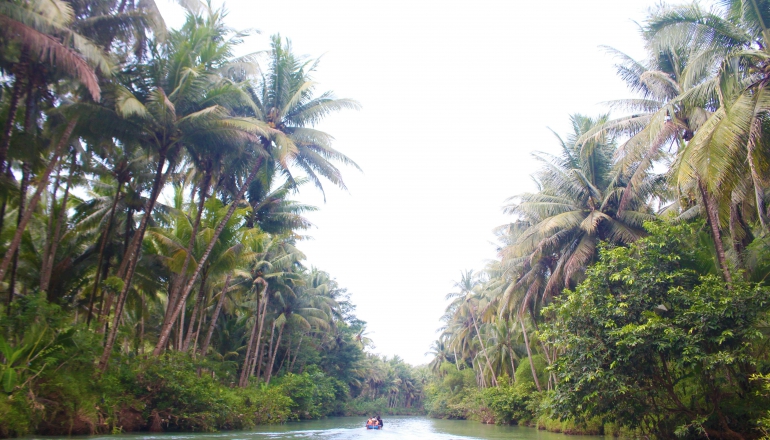
Indonesia’s tropical rainforests are a major global carbon store and could also become an economic asset. (Photo: iStock)
Indonesia is home to the world’s third largest tropical forest area and has been working in recent years to turn its vast natural carbon sinks into a competitive advantage in the carbon market. Over the past year in particular, the country has taken a series of steps to attract international buyers, including reopening international trading of forestry carbon credits, launching the Indonesia Forestry and Other Land Use Carbon Hub (IFCH), and upgrading its carbon market framework and registry system.
RECCESSARY carbon market research assistant James Chen (陳彥達) said the regulatory improvements have effectively reopened international sales channels for Indonesia’s forestry carbon credits. The additional supply could help ease the shortage of high-quality forestry credits in Southeast Asia. However, the slowdown in Indonesia’s domestic carbon market could pose a longer-term concern.
Unlock the full article to explore three key takeaways:
- Indonesia reopened international forestry carbon credit trading, launching a new registry system and the Forestry Carbon Hub (IFCH) to open export channels for high-quality credits.
- Indonesia established a dual registry system—SRN-PPI and SRUK—to improve transparency and traceability of carbon credits.
- Despite vast forest carbon sink resources, Indonesia's carbon market growth still hinges on compliance rules, carbon pricing policy and international buyer demand.