.jpg)
RECCESSARY’s “ASEAN Weekly” highlights Southeast Asia’s new energy and carbon market updates. (Image: RECCESSARY)
This week in ASEAN, Thailand has pledged to review its existing power procurement plans in an effort to ease high electricity prices, while Malaysia’s sixth large-scale solar (LSS6) program is set to reshape the country’s utility-scale renewable energy market by requiring battery storage in solar bids. Below are ASEAN’s key stories from Aug. 3 to 9.
PLN bets on bigger deals to unlock Indonesia’s hydropower pipeline
Indonesia is turning to private developers to drive its next wave of hydropower expansion, as state utility PLN seeks to accelerate renewable-energy investment while concentrating its own resources on grid infrastructure.
Under the country’s 2025–2034 Electricity Supply Business Plan (RUPTL), Indonesia has earmarked 315 hydropower and mini-hydropower projects with a combined capacity of 11.7 GW. More than 260 are expected to be developed by private companies, putting the bulk of the planned expansion in the hands of independent power producers. Read more here
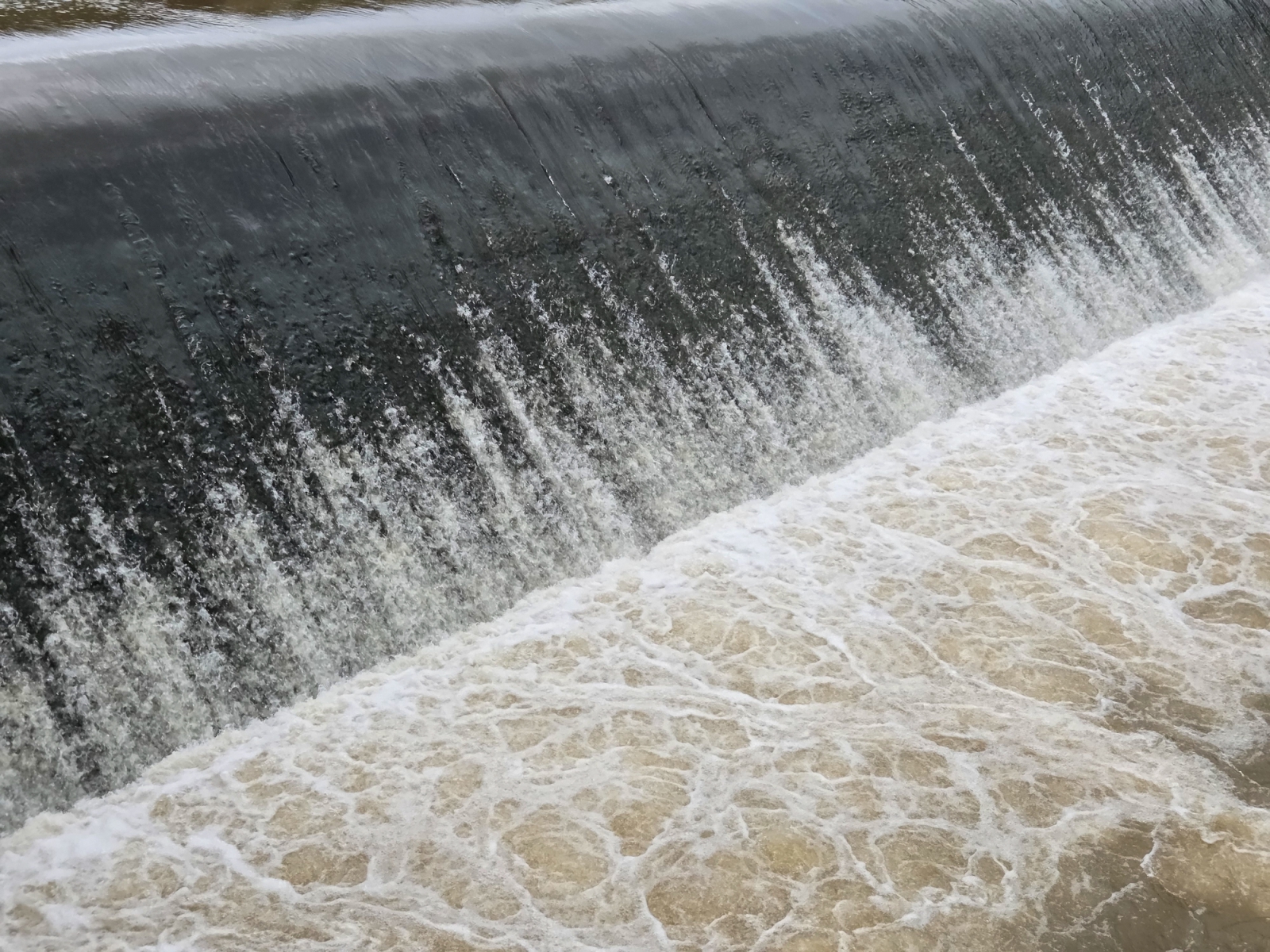
Indonesia puts private developers at heart of 11.7 GW hydropower expansion. (Photo: iStock)
Malaysia’s LSS6 rewrites the bidding equation with mandatory battery storage
Malaysia’s sixth large-scale solar (LSS6) program is set to reshape the country’s utility-scale renewable energy market by requiring battery storage in solar bids for the first time.
Launched on July 16, LSS6 will award 2,500 MW of solar capacity paired with 1,250 MW of battery energy storage systems, or BESS, and is expected to attract MYR 13 billion (USD 3.1 billion) to MYR 15 billion (USD 3.6 billion) in private investment. Read more here
Thailand expands DPPAs: Should manufacturers wait or proceed with rooftop solar?
Thailand has expanded its direct power purchase agreement (DPPA) framework to all industrial sectors, opening a long-awaited renewable electricity procurement channel for manufacturers and export-oriented businesses.
On July 15, the National Energy Policy Council (NEPC) approved seven measures aimed at restructuring how electricity and grid costs are allocated among consumer groups. The most consequential for industrial users is the expansion of DPPAs through Third Party Access (TPA) beyond data centers to all industries that require clean electricity. Read more here
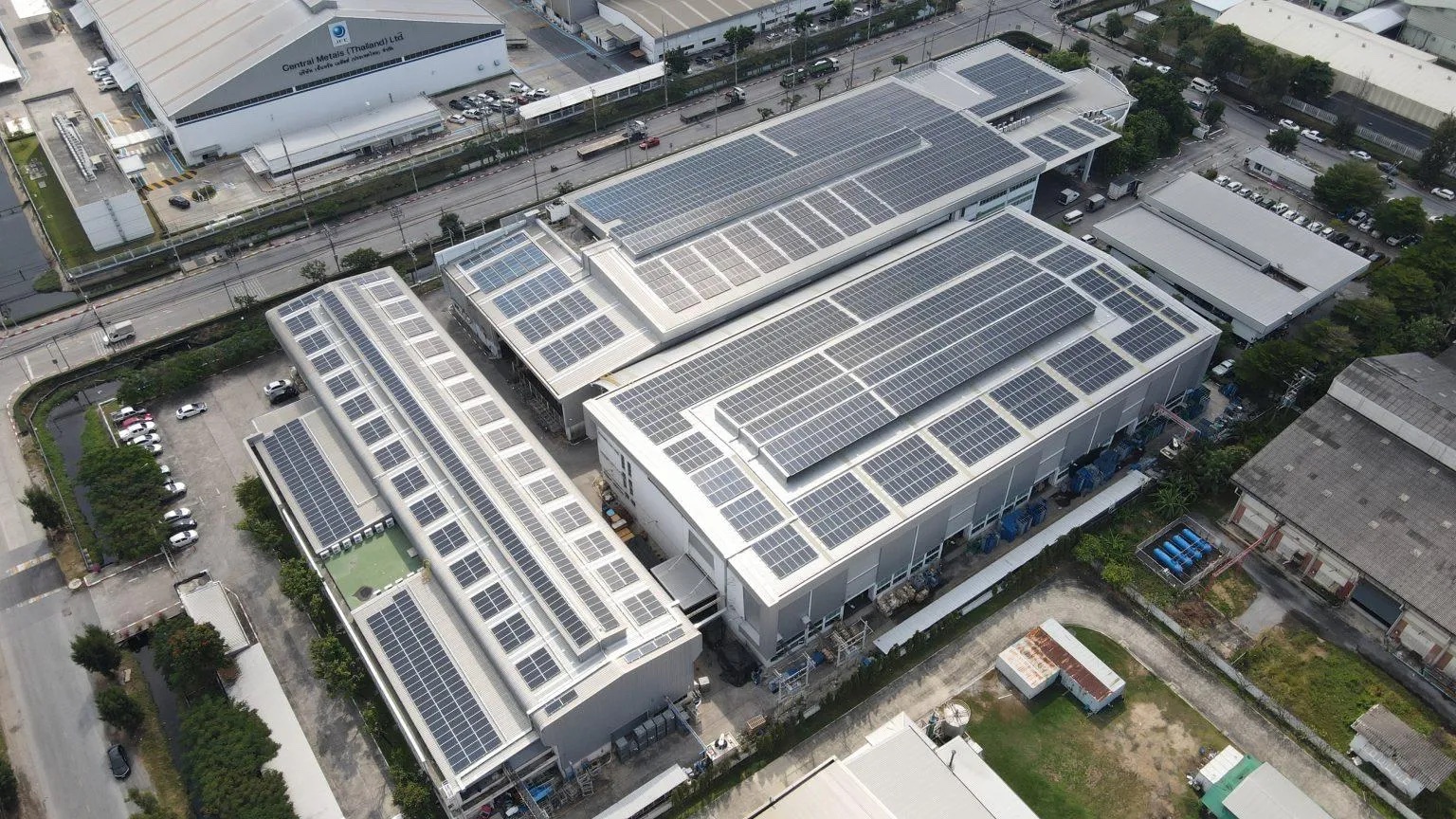
Thailand has opened its DPPA framework to manufacturers and other industrial electricity users. (Photo: Constant Energy)
Thailand moves to review long-term power deals to lower electricity costs
Thailand is undertaking a comprehensive review of its power sector in a bid to bring down electricity prices, including revisiting long-term power purchase agreements (PPAs) signed between state utilities and private generators.
Deputy Prime Minister Pakorn Nilprapunt said on July 27 that no contract should remain unchanged for 50 years, stressing that periodic reviews and adjustments are consistent with international practice. Read more here
Southeast Asia steel faces rising CBAM costs as Malaysia’s bill could hit $237 million
Steelmakers across Southeast Asia are facing rising costs as the European Union’s Carbon Border Adjustment Mechanism (CBAM) entered its charging phase this year. In Malaysia, the Malaysia Steel Institute (MSI) estimates that CBAM-related compliance costs for the steel sector could reach 970.7 million ringgit (about USD 237.2 million) in 2026.
Previous research by RECCESSARY also found that Vietnam’s steel industry faces significantly higher exposure to CBAM than its regional peers, with its steel exports to the EU exceeding those of Thailand by more than 18 times. Read more here
Indonesia shows elevated fire hotspot activity in 2026 as super El Niño threat looms
Indonesia has recorded more fire hotspot activity by late July 2026 than at the same point in any previous year, including during the devastating fire seasons of 2019 and 2023, according to new data.
Data from FireWatch, a new satellite monitoring platform developed by the forest monitoring platform Nusantara Atlas, offers the clearest picture yet of where the country is burning, say scientists. It has raised fresh concerns as Indonesia heads into the months of the year when wildfires historically intensify. Read more here
Indonesia’s captive coal surge exposes loopholes in energy transition plans
In 2025, President Prabowo Subianto announced Indonesia’s ambitious commitment for all its electricity to be generated by renewable energy within 10 years. Complicating this, however, is the country’s captive coal power plants – dedicated off-grid stations that produce energy for an industrial facility. Each new plant represents a loophole in the Indonesian energy transition agenda. Read more here
Carbon markets alone won’t keep Southeast Asia’s forests standing, study says
A new study has identified “massive and untapped” conservation potential within forestry and plantation concessions in Southeast Asia.
The researcher point to the need for diversified sources of conservation funding to complement carbon markets, such as blended finance, green bonds and payment for ecosystems services, as well as more supportive governance frameworks that elevate the viability of conservation over development. Read more here
Track ASEAN energy and carbon markets with clarity. Subscribe to RECCESSARY for policy intelligence and business-ready insights across Asia-Pacific.