RECCESSARY’s “ASEAN Weekly” highlights Southeast Asia’s new energy and carbon market updates. (Image: RECCESSARY)
This week in ASEAN, the Philippines unveiled a USD 1 billion incentive programme to accelerate domestic EV manufacturing and strengthen its position in the regional automotive supply chain, while the European Union’s proposed expansion of its Emissions Trading System (EU ETS) signaled rising carbon compliance costs for Asian airlines and exporters. Below are ASEAN’s key stories from July 27 to Aug 2.
Philippines launches $1 billion EV scheme to join ASEAN manufacturing race
The Philippines has launched a USD 1 billion incentive programme aimed at shifting its electric vehicle strategy from import-led growth toward domestic manufacturing.
President Ferdinand Marcos Jr. signed the Electric Vehicle Incentive Strategy (EVIS) into law on Aug. 29 as the Philippines seeks to attract automakers and component manufacturers that have so far concentrated most of their regional investment in Thailand and Indonesia. Read more here
EU ETS expansion puts Asian airlines and exporters at a carbon pricing crossroads
The European Union’s move to extend carbon pricing to international aviation is forcing Asian carriers to plan for a regulatory framework that remains unsettled, with the industry facing the possibility that today’s relatively low-cost global offsetting system could eventually give way to the much more expensive EU carbon market.
The proposal also includes a trigger clause with potentially greater consequences for Asian airlines. If the Carbon Offsetting and Reduction Scheme for International Aviation, or CORSIA, is deemed insufficient to deliver meaningful emissions reductions by 2032, the Commission would be required to propose extending the ETS to all international flights departing Europe.
The timing is significant for STARLUX Airlines, which will launch its first European long-haul route, Taipei-Prague, in August as the EU and the International Civil Aviation Organization (ICAO) debate which system should govern its future carbon liabilities. Read more here
.jpg)
As the European Union moves to extend carbon pricing to international aviation, Asian airlines and exporters are preparing for higher compliance costs. (Photo: STARLUX)
Vingroup aims to generate 4.5 million carbon credits from EVs, charging network
Vingroup has built the data infrastructure needed to generate and trade carbon credits from its electric mobility ecosystem, positioning the Vietnamese conglomerate to become a major corporate supplier as the country develops its domestic carbon market.
Tran Ky Anh, Carbon Credit Trading Manager at Vingroup, said the company has established a measurement platform capable of supporting up to 4.5 million carbon credits from electric vehicles and charging infrastructure. Read more here
WHA and Gulf bundle infrastructure for Thailand’s data center boom, but can they secure enough power?
Two of Thailand’s largest conglomerates are expanding into data center infrastructure by combining the assets they already have, from industrial land and utilities to electricity generation and telecommunications, as they compete for a share of one of Southeast Asia’s fastest-growing digital markets.
WHA is positioning its industrial estates as ready-made locations where operators can access land, utilities and power infrastructure, while Gulf is building on its electricity generation and telecommunications holdings to develop and supply data center capacity.
These strategies can reduce some of the practical barriers to data center investment, but can they fully resolve the market’s most important constraint: access to reliable and scalable power, or even renewable electricity? Read more here
Indonesia’s energy transition hinges on bankable projects and a functioning carbon market, experts say
Indonesia is attracting growing interest from renewable energy investors and carbon market participants, but capital is still struggling to reach projects at scale.
Speaking at the July 28 forum “Financing Indonesia’s Energy Transition,” hosted by the Institute for Energy Economics and Financial Analysis (IEEFA), industry experts pointed to a common problem across the renewable energy and carbon market sectors. Indonesia does not primarily lack investors, financing instruments or technical standards. Instead, it lacks the policy and market conditions needed to turn clean energy projects and carbon credits into investable assets. Read more here
[Op-ed] The coal paradox: Why Southeast Asia's energy transition remains on track
Clean energy investment in Southeast Asia has risen by 60% since 2015, helping drive total energy investment beyond USD 100 billion in 2025, according to the IEA. Thailand's decision to begin reactivating its dormant coal plants in March has raised questions about the region's energy transition.
On the other hand, Indonesia continues to rely heavily on coal to power its industrial expansion, while Malaysia has slowed the retirement of coal-fired generation. To a casual observer, the region looks like it is backsliding on a phase-out that has been promised for a decade. Has the Middle East conflict become a convenient excuse to cop out of the commitment to clean energy? Read more here
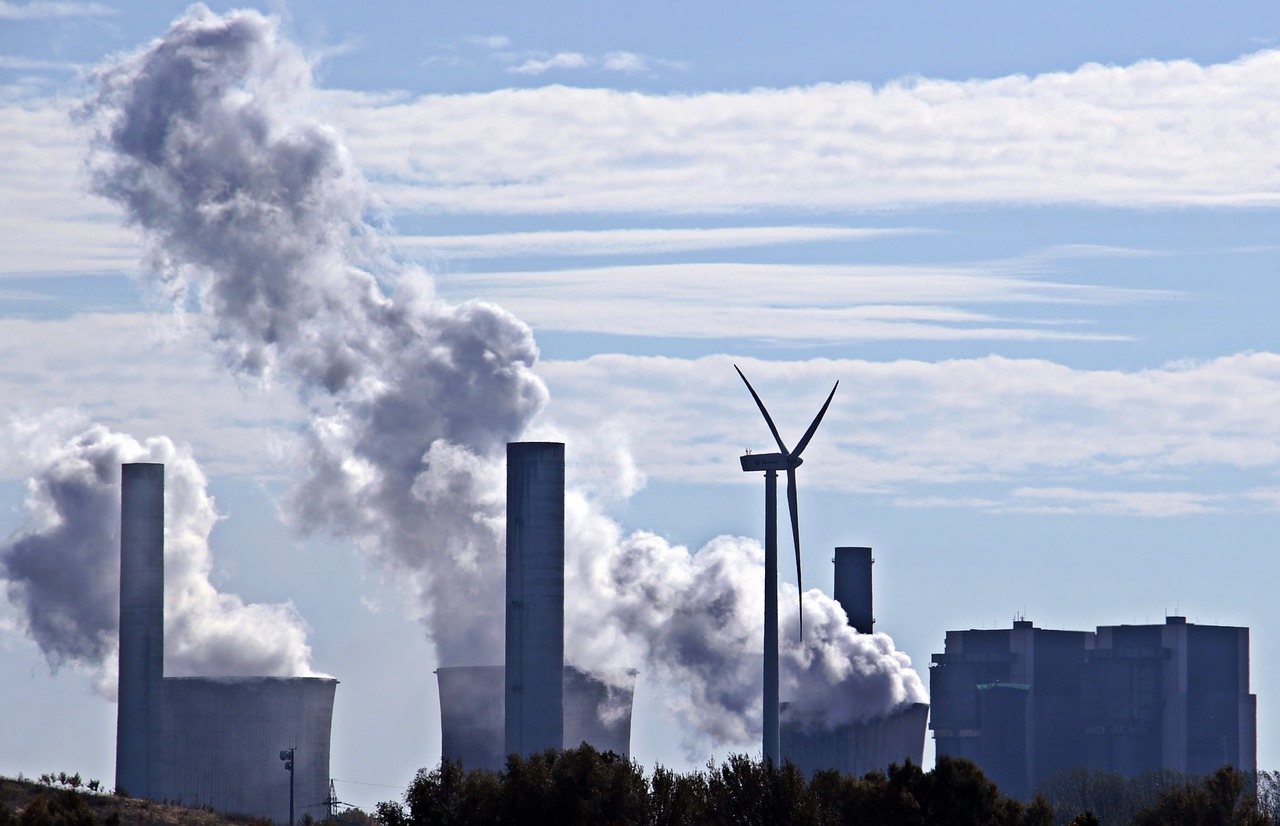
Southeast Asia’s coal revival is a short-term response to LNG pressures, not a reversal of its clean energy transition. (Photo: Pixabay)
Thai MP calls for new committee to scrutinize AI data centers’ environmental impact
An opposition member of Thailand’s parliament has called for the creation of a parliamentary committee on the regulation of data centers. The call comes amid a raft of new project approvals linked to the sector, which requires large amounts of water and electricity.
The MP said he intends to do this by forming a parliamentary committee to scrutinize the government’s approval and regulation of data centers. This will involve a comprehensive review of Thailand’s current policy framework, including long-term planning for water and energy resources, stronger environmental safeguards, greater transparency, meaningful public participation and mechanisms to ensure that communities sharing the costs of these projects also share in their benefits, he said. Read more here
Track ASEAN energy and carbon markets with clarity. Subscribe to RECCESSARY for policy intelligence and business-ready insights across Asia-Pacific.