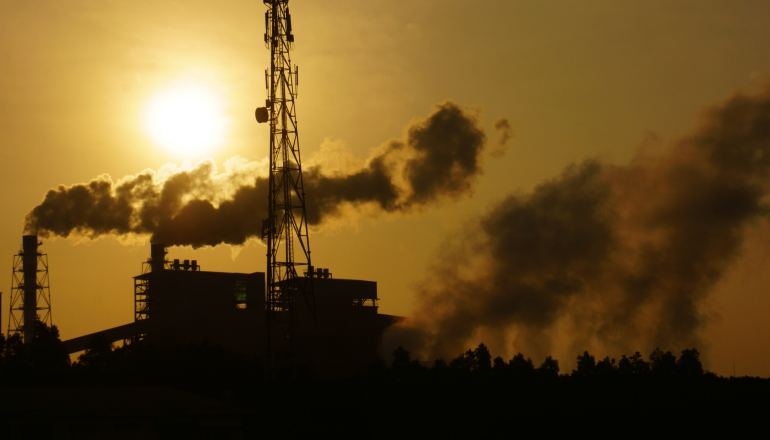
The Philippines relies heavily on fossil fuels for power generation. The government has updated its Nationally Determined Contribution (NDC) while keeping its emissions reduction target unchanged. (Photo: Freepik)
The Philippines has submitted an updated Nationally Determined Contribution (NDC), raising its ambition by increasing the share of emissions reductions it plans to achieve with its own resources.
Under the new plan, the country has raised its unconditional target to 7%, meaning it pledges to achieve that portion of emissions reductions without relying on international support.
However, Aksyon Klima Pilipinas (AKP), one of the country’s largest climate advocacy groups, said the updated plan lacks a clear implementation roadmap and urged the government to take stronger domestic action rather than passively waiting for assistance from developed countries.
What are the three priorities in the Philippines’ updated NDC?
According to the United Nations Framework Convention on Climate Change (UNFCCC), the Philippines submitted its updated climate pledge, commonly referred to as “NDC 3.0,” on Sep. 8.
Unlock the full article to explore three key takeaways:
- The Philippines submitted NDC3.0 to the UNFCCC, keeping its overall 2035 reduction target at 75%.
- The unconditional target was raised from 2.71% to 7%, an increase of more than four percentage points.
- If planned policies succeed, the country could become a "net sink" between 2025 and 2035.