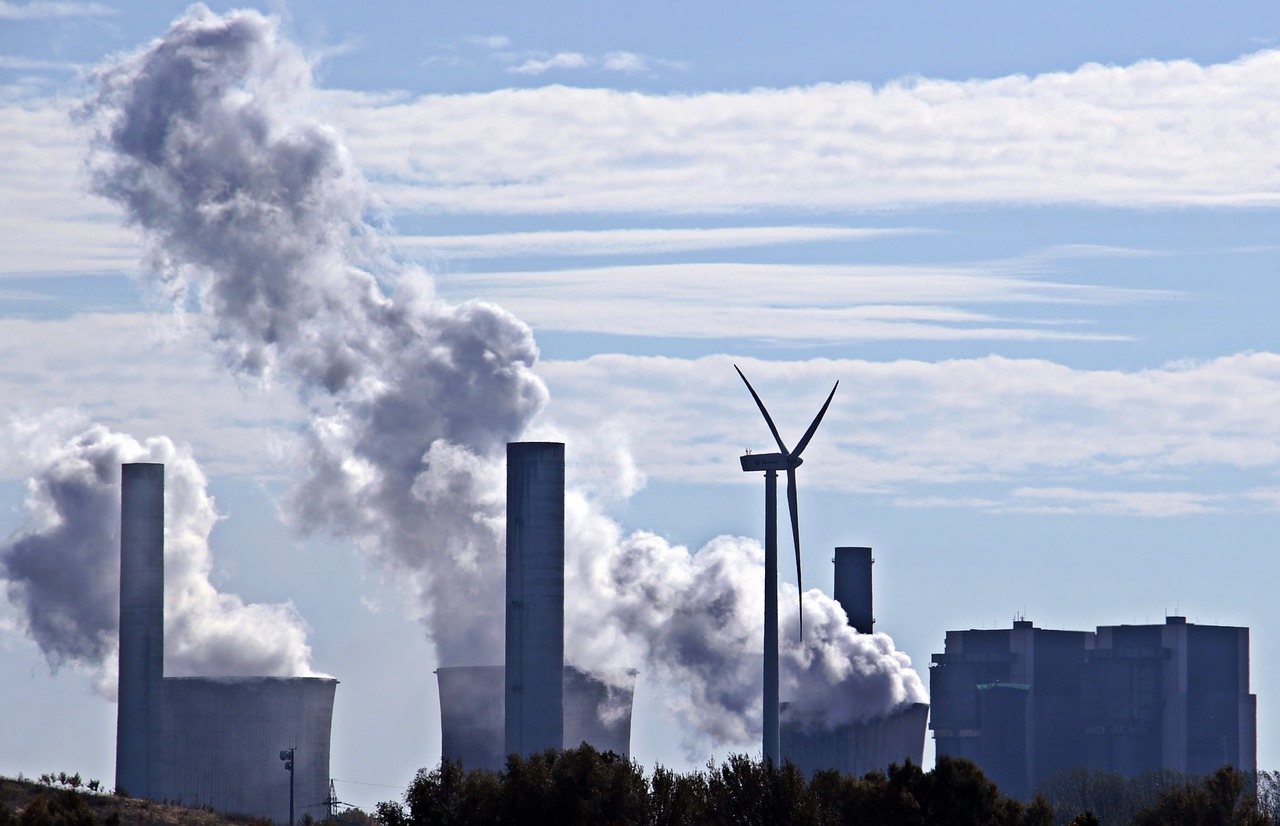
Southeast Asia’s coal revival is a short-term response to LNG pressures, not a reversal of its clean energy transition. (Photo: Pixabay)
Clean energy investment in Southeast Asia has risen by 60% since 2015, helping drive total energy investment beyond USD 100 billion in 2025, according to the IEA. Thailand's decision to begin reactivating its dormant coal plants in March has raised questions about the region's energy transition.
On the other hand, Indonesia continues to rely heavily on coal to power its industrial expansion, while Malaysia has slowed the retirement of coal-fired generation. To a casual observer, the region looks like it is backsliding on a phase-out that has been promised for a decade. Has the Middle East conflict become a convenient excuse to cop out of the commitment to clean energy?
Coal’s temporary comeback
The renewed reliance on coal is best understood as a short-term response to tight LNG markets, rather than a retreat from Southeast Asia's long-term clean energy ambitions. Failing to recognise that distinction could result in misguided investment and policy choices.
Before the disruption, it was clear that the region was disciplined in phasing out coal. Malaysia committed to phase out unabated coal from its electricity mix by 2044, while Vietnam approved a roadmap to transition from coal to cleaner power sources as part of its net zero strategy. Indonesia had also pledged to end coal power entirely by 2040.
The increase in coal use so far has been driven by several factors. Utilities turned to coal because it was the fastest source of available generation they could bring online following the middle east conflict. The supply disruption could add around 100 million tonnes to Asia's coal demand in the near term as countries rely on coal to offset tighter energy supplies, according to Rystad Energy.
The impact of the LNG disruption varied across Southeast Asia, but no market was immune. Thailand, the region's largest LNG importer, was particularly exposed because of its reliance on the spot market, leaving it vulnerable to immediate price swings. The Philippines also remained exposed as its growing dependence on imported LNG left the power sector vulnerable to tighter global gas markets and higher fuel costs.
Singapore, meanwhile, does not burn coal, but with around 95% of its electricity generated from imported natural gas, it was equally exposed to tightening LNG markets through higher fuel costs rather than fuel switching.
However, the coal revival is only temporary. The International Energy Agency (IEA) expects energy investment in Southeast Asia to reach a record USD 57 billion in 2026, with spending continuing to grow across renewables, electricity grids and end-use sectors. Interest in renewable energy projects also accelerated. Members of the Sustainable Energy Association of Singapore (SEAS) report that enquiries have doubled across the clean energy sector. This suggests that despite recent increase in coal use, governments and investors continue to back the infrastructure needed for the region's longer-term transition.
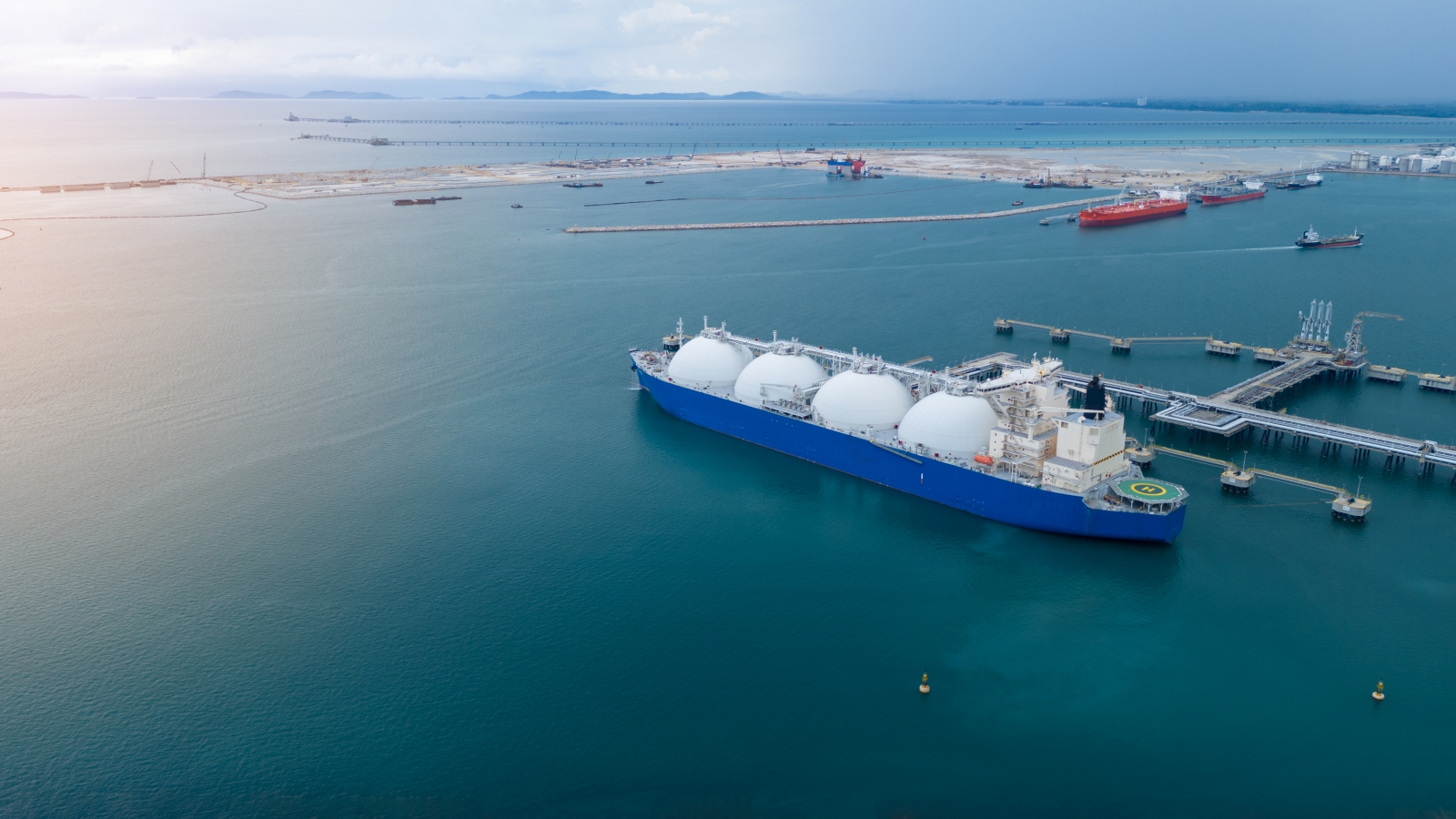
Middle East conflict triggers fossil fuel supply crunch, sending Asian countries scrambling for LNG. (Photo: iStock)
Building a more resilient energy system
As further confirmation, heads of government at the ASEAN Summit in Cebu, emphatically backed the acceleration of renewable deployment, with Philippines’ President Ferdinand R. Marcos Jr. saying that the region needs to “accelerate energy diversification to reduce vulnerability to external shocks”. Both capital and policy seem to be clearly moving towards renewables despite rising coal use.
That said, the crisis has exposed where the region remains vulnerable. Southeast Asia lacks the flexibility needed to respond effectively to supply shocks, with too little energy storage, limited interconnections between national grids and little ability to manage demand when supplies tighten. Addressing these gaps will help ensure future crises do not trigger a renewed reliance on coal.
The silver lining is that Southeast Asia has already kickstarted this work. Examples include the Lao PDR-Thailand-Malaysia-Singapore Power Integration Project which has entered its next phase, demonstrating that multilateral renewable electricity trading across ASEAN is commercially viable.
Cambodia and Laos have also signed a joint framework in May 2026 to study a new cross-border power interconnection, paving the way for greater trade in renewable electricity under the ASEAN Power Grid. The ASEAN Power Grid, which is now formalised under the 2026 to 2030 energy cooperation plan, could save the region up to USD 67 billion, helping Southeast Asia avoid the trap of hiked-up LNG prices caused by external disruptions.
Regional electricity trade will also give countries greater flexibility when domestic supply comes under pressure. Instead of falling back on coal during fuel shortages, Southeast Asia will be able to draw lower-carbon electricity from neighbouring markets, improving both energy security and system resilience.
The recent return to coal exposed gaps in the region's energy system rather than a change in its long-term direction. Closing those gaps through investment in grids, storage and cross-border infrastructure will strengthen energy security while keeping Southeast Asia on course towards its clean energy ambitions.
This article is a contributed opinion piece from the Sustainable Energy Association of Singapore (SEAS), written by Christophe Inglin, Vice-Chairman of SEAS. The opinions expressed are those of the author and do not necessarily reflect the views of RECCESSARY.
Have insights on energy or carbon issues? Share your perspective with us! Send your submission to reccessary@gmail.com for a chance to be featured. Submissions may be edited for clarity and style.
