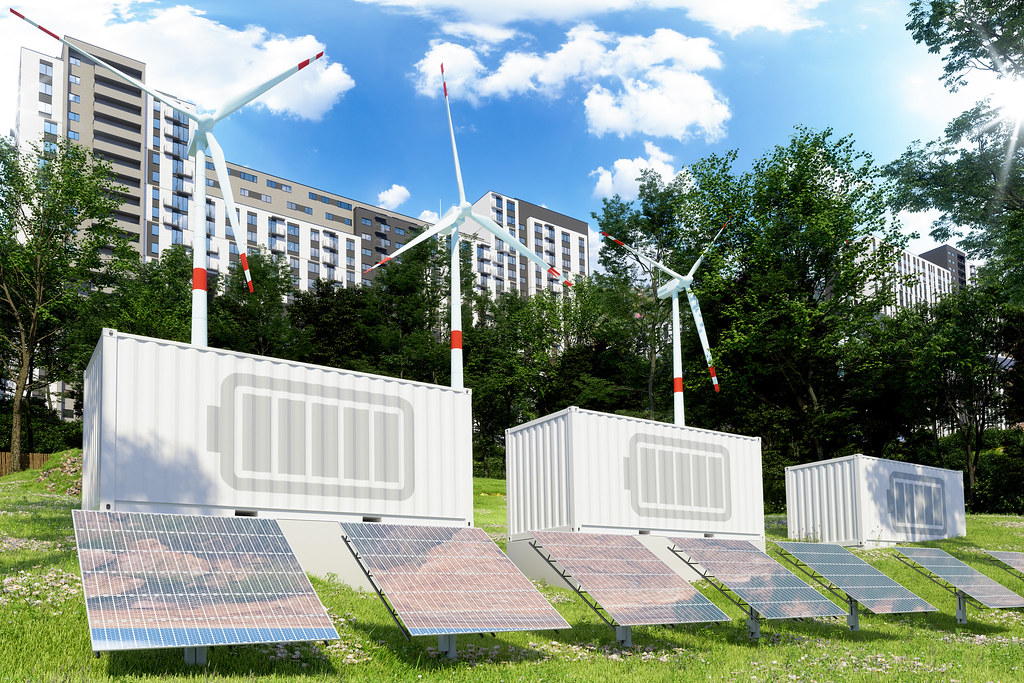
(Image: iStock)
Prominent corporations like Microsoft and Google have committed to realizing Carbon-Free Energy (CFE) 24/7 for their offices and operations by 2030, setting a precedent for others to follow.
The CFE 24/7 initiative represents a new frontier in corporate decarbonization, aiming to match every hour of electricity consumption with carbon-free energy. This approach marks a departure from traditional renewable energy goals by emphasizing hourly, real-time sourcing of clean energy.
Unlike RE100, CFE 24/7 encompasses technologies like nuclear energy and battery storage. This shift is timely given the mounting pressure on corporate sustainability, providing companies with a broader spectrum of tools to achieve their decarbonization objectives. This article discusses the challenges in adopting CFE 24/7 and its prospective trail in Asia.
Adoption of CFE 24/7 vs. RE100 in Asia
The RE100 initiative, which commits its signatories to 100% renewable electricity by a specified date, has gained traction across Asia. However, the majority of these commitments are met through purchasing renewable energy certificates (RECs) or power purchase agreements (PPAs). While these mechanisms have driven investment in renewable energy infrastructure, they do not necessarily guarantee that renewable energy consumption matches production on a real-time basis.
As the figure below demonstrates, when renewable energy is purchased on a yearly basis, there will be times when energy consumption is met by using brown electricity from the grid. CFE 24/7 offers a more rigorous and transparent framework, ensuring that every hour of electricity consumption is matched with carbon-free energy. Importantly, CFE 24/7 recognizes the use of nuclear energy and battery storage, driving substantial changes in energy sourcing strategies.
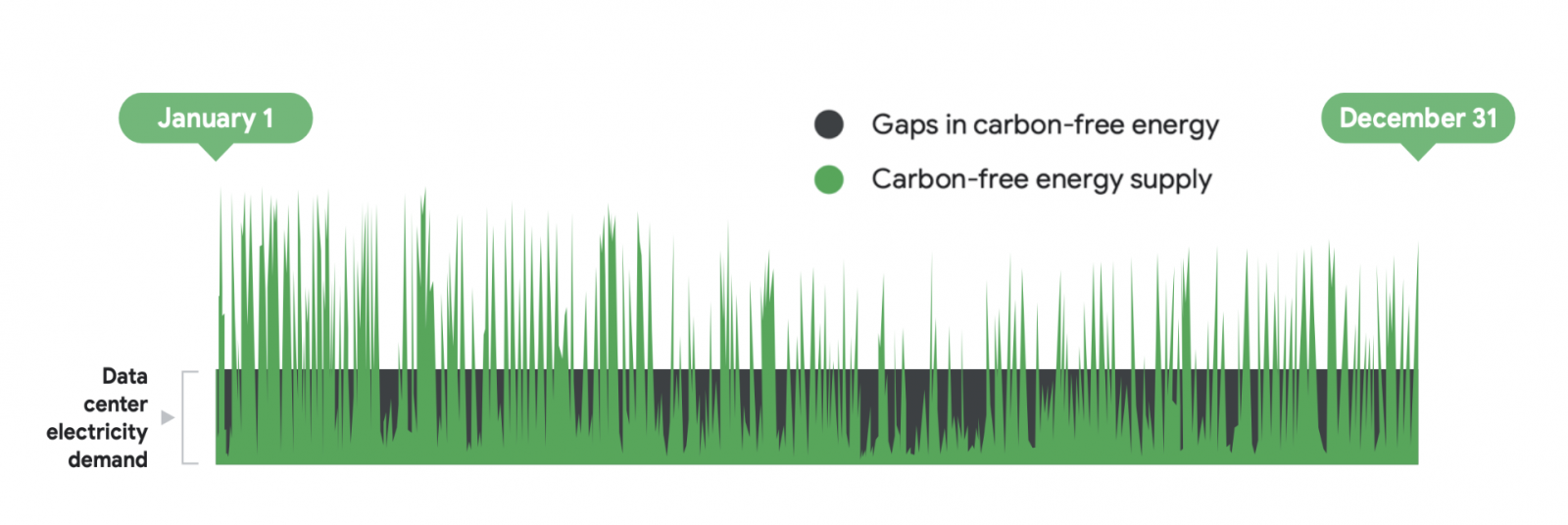
Figure 1. Google Annual Matching (Source: Google)
For Asia, which is home to rapidly growing economies and increasing energy demands, this model can provide a more robust pathway to sustainability. CFE 24/7 is especially important when considering power stability and cost premium as companies approach high renewable energy penetration. While the cost of renewable energy such as solar and wind have decreased over the years, as businesses approach higher renewable penetration, these benefits diminish as the requirement for grid stability and battery storage exponentially increases. However, battery storage cannot be claimed by companies as green power sourcing under RE100.
.png)