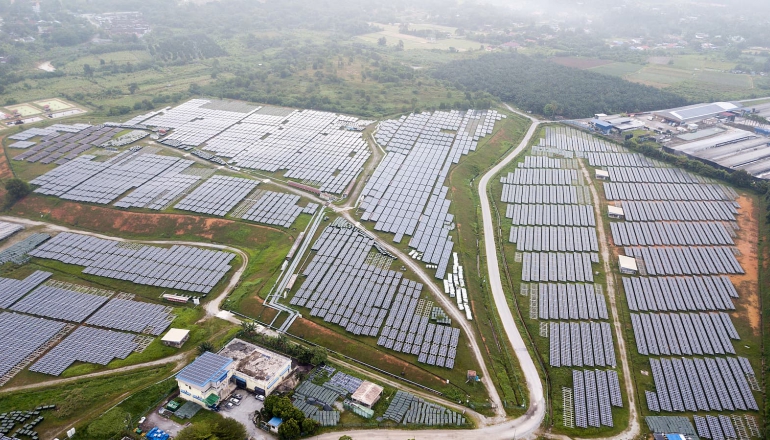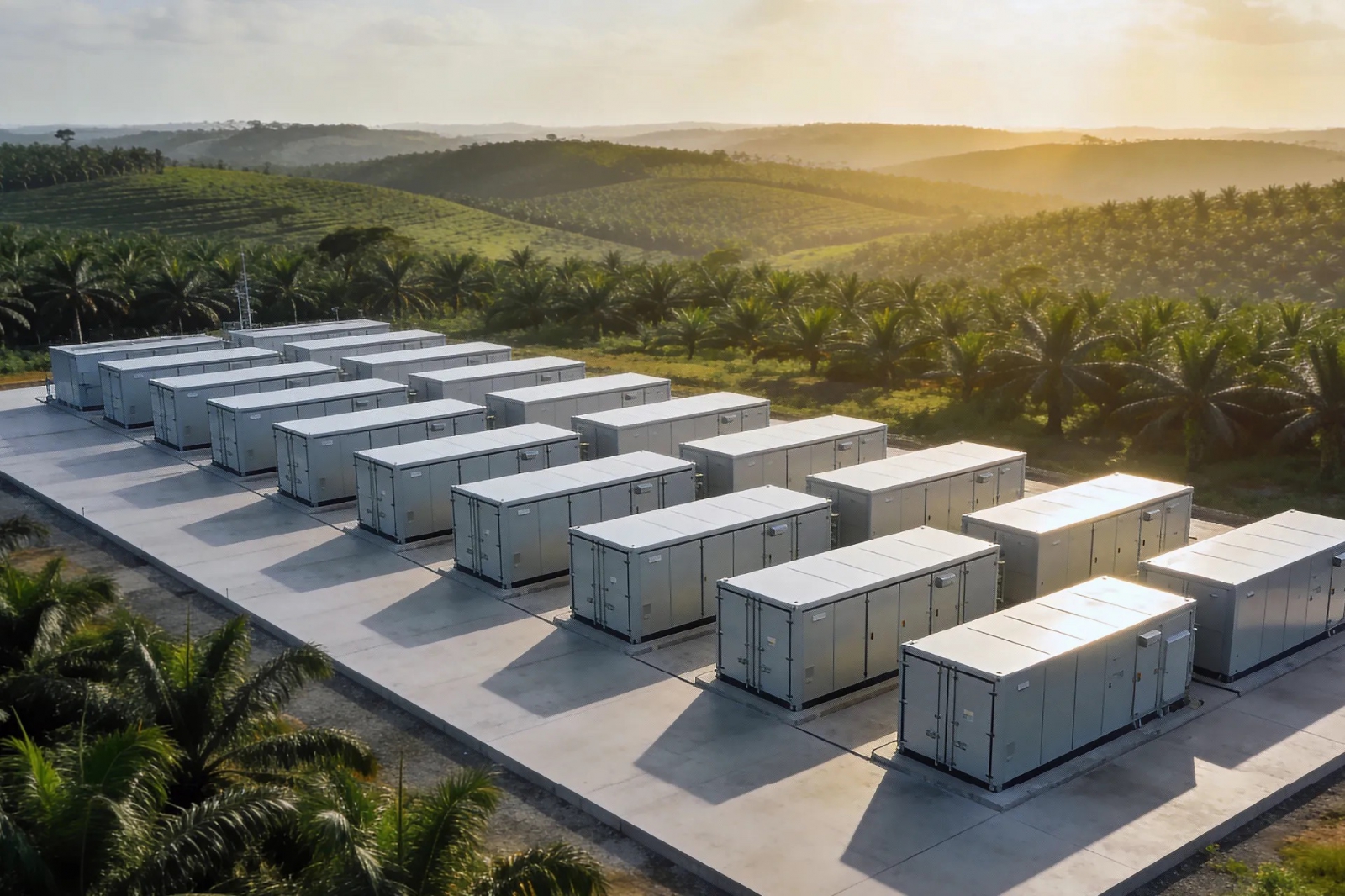
Malaysia’s LSS6 programme requires utility-scale solar projects to include battery storage for the first time. (Photo: Solarvest)
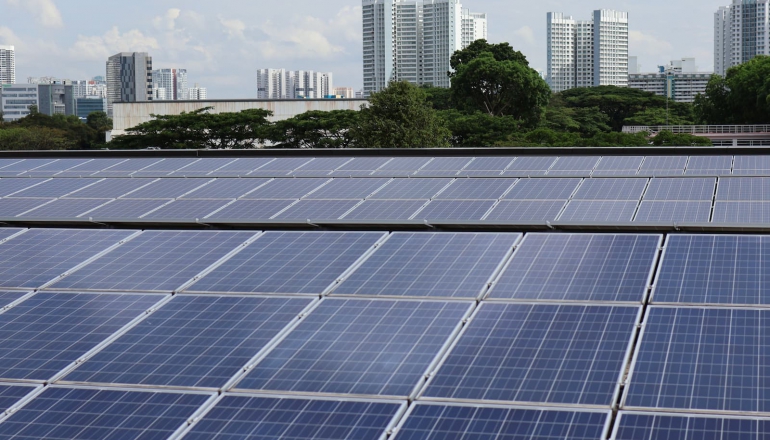
Malaysia’s sixth large-scale solar (LSS6) program is set to reshape the country’s utility-scale renewable energy market by requiring battery storage in solar bids for the first time.
Launched on July 16, LSS6 will award 2,500 MW of solar capacity paired with 1,250 MW of battery energy storage systems, or BESS, and is expected to attract MYR 13 billion (USD 3.1 billion) to MYR 15 billion (USD 3.6 billion) in private investment.
With bidding for Packages 1 and 2 opening from July 27 to August 7, storage is no longer an optional enhancement. Developers must now determine how mandatory batteries affect project design, financing, site selection and bid competitiveness.
Unlock the full article to explore three key takeaways:
LSS6 marks Malaysia’s shift from solar-only procurement to mandatory solar-plus-storage, pairing 2,500 MW of solar with 1,250 MW of BESS.
The tender introduces a more complex bidding framework, with developers balancing price against southern siting preferences and local-content requirements.
Larger project sizes and storage requirements are likely to favor well-capitalised developers, while unclear dispatch and compensation rules still complicate project economics.