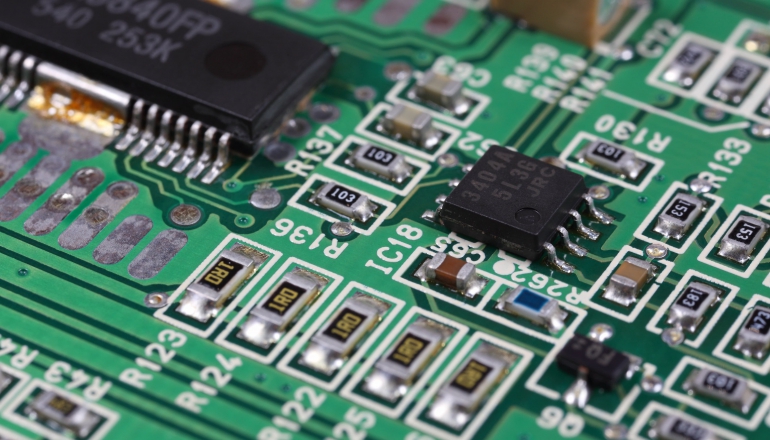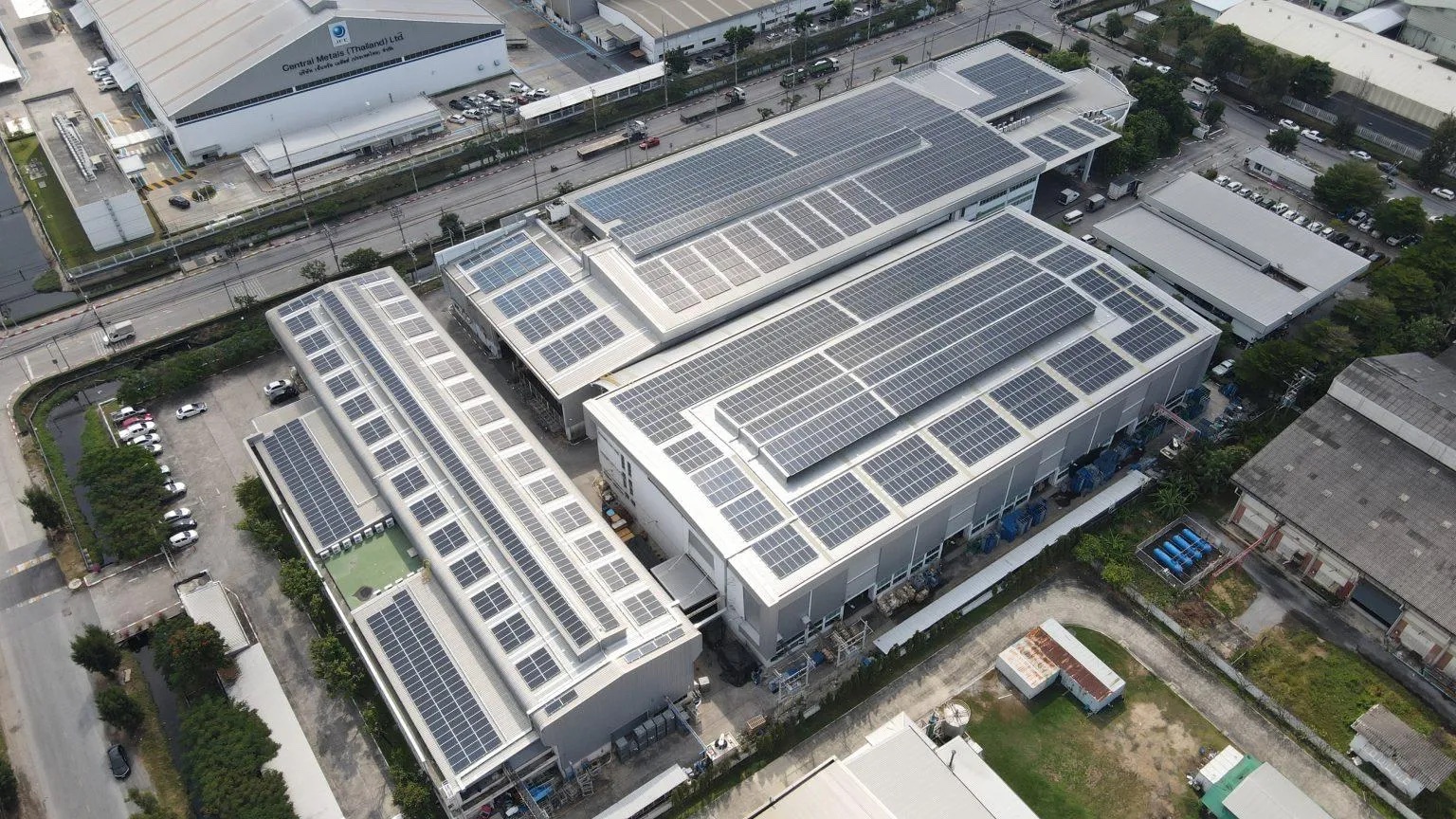
Thailand has opened its DPPA framework to manufacturers and other industrial electricity users. (Photo: Constant Energy)
Thailand has expanded its direct power purchase agreement (DPPA) framework to all industrial sectors, opening a long-awaited renewable electricity procurement channel for manufacturers and export-oriented businesses.
On July 15, the National Energy Policy Council (NEPC) approved seven measures aimed at restructuring how electricity and grid costs are allocated among consumer groups. The most consequential for industrial users is the expansion of DPPAs through Third Party Access (TPA) beyond data centers to all industries that require clean electricity.
The decision could allow manufacturers, electronics producers and other large power consumers to purchase renewable electricity directly from generators and have it delivered through the national grid. For industrial users, however, the expansion raises a more immediate strategic question: should companies continue prioritizing rooftop solar, or wait for off-site DPPAs that could eventually cover a larger share of their electricity demand?
The answer will depend on how businesses balance what can be deployed now against longer-term procurement needs, as well as the still-uncertain cost of accessing the grid.
Unlock the full article to explore three key takeaways:
Thailand’s DPPA expansion gives manufacturers a future off-site renewable power option, but rooftop solar remains the more immediately deployable route.
Wheeling fees, contract terms and grid access rules will determine whether off-site DPPAs are commercially competitive.
Demand is strongest among export-oriented electronics, PCB, semiconductor, automotive components and electrical equipment manufacturers facing growing customer pressure to use renewable electricity.