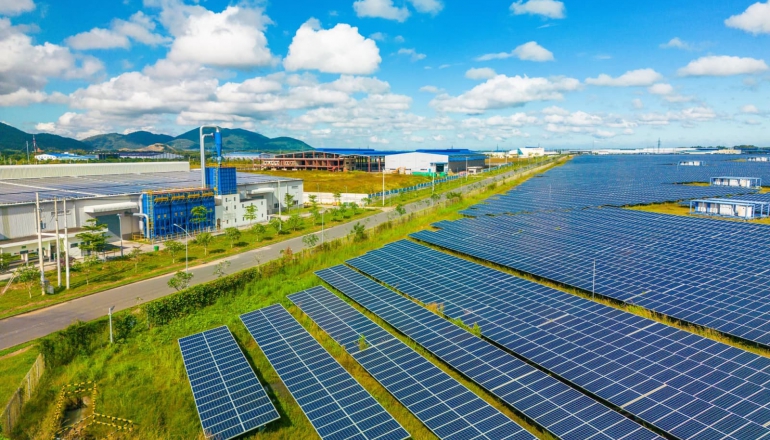
Thailand’s government is actively adjusting electricity prices to ease the burden on households and businesses.(Photo: iStock)
Thailand is undertaking a comprehensive review of its power sector in a bid to bring down electricity prices, including revisiting long-term power purchase agreements (PPAs) signed between state utilities and private generators.
Deputy Prime Minister Pakorn Nilprapunt said on July 27 that no contract should remain unchanged for 50 years, stressing that periodic reviews and adjustments are consistent with international practice.
What is the goal of PPA renegotiations?
Speaking at a policy meeting on August 2, Pakorn, who oversees legal affairs, noted that the National Energy Policy Council (NEPC) had approved on July 17 a measure allowing state-owned utilities to negotiate directly with private power producers without prior cabinet approval. The move is intended to accelerate the review process and ensure that electricity procurement prices better reflect actual costs while remaining fair to consumers.
Unlock the full article to explore three key takeaways:
- Thailand's NEPC approved a measure letting state utilities negotiate directly with generators, skipping cabinet approval.
- Long-term contracts should be reviewed every 10 years, not left unchanged for 50, says Deputy PM Pakorn.
- Regulators are also reviewing "Availability Payments" to ensure fees reflect real supply costs.