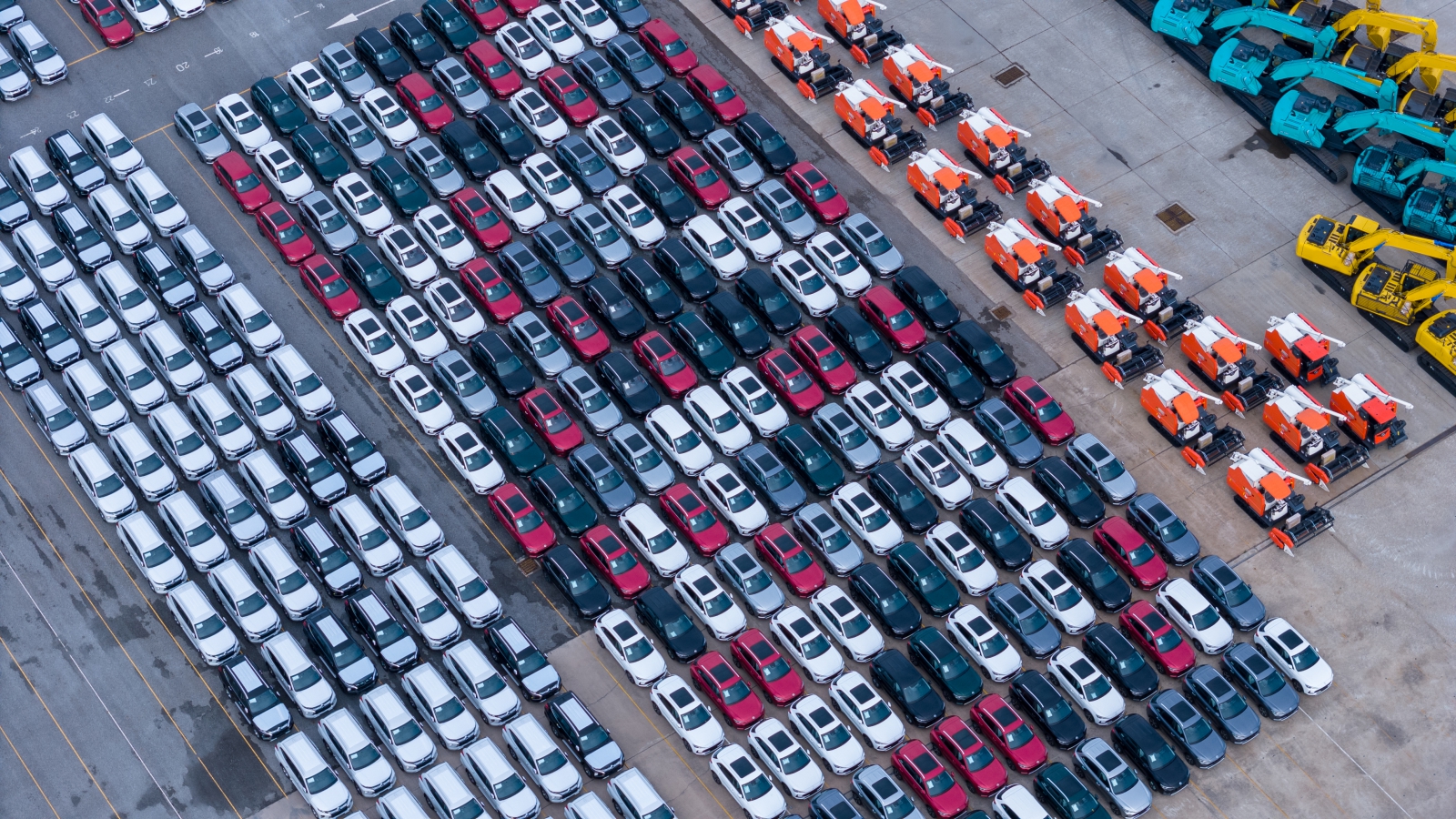
New vehicles are parked at a Thai port, awaiting entry into the domestic market for sale. (Photo: iStock)
Thailand is considering a major expansion of electric vehicle (EV) subsidies, with a proposed package worth about 24 billion baht (roughly USD 712.2 million). The plan is expected to support the replacement of up to 80,000 commercial vehicles.
As more EV makers enter the Thai market, industry groups are urging the government to require manufacturers to use locally sourced components, aiming to shield domestic supply chains from an influx of low-cost imported EVs.
Over the past six months, EV sales in Thailand have surged, driven in part by aggressive pricing strategies from Chinese automakers that have intensified competition. This trend now appears to be moving upmarket. Geely-owned premium EV brand Zeekr has been gaining traction locally, while Thai distributor Metro Group has recently begun taking orders for Hongqi vehicles.
Which vehicles will be eligible for EV subsidies?
Deputy Transport Minister Siripong Angkasakulkiat told Reuters that the proposed scheme will primarily target commercial transport vehicles, including taxis, motorcycle taxis, tuk-tuks, buses, and trucks—though a broader scope has not been ruled out.
Unlock the full article to explore three key takeaways:
- Thailand proposes 24 billion baht ($712M) in EV subsidies covering 80,000 commercial vehicles.
- The FTI wants local-content rules to blunt US tariff exposure on exported vehicles.
- Zeekr's Thai sales rose eight percentage points this year as Chinese brands move upmarket.