.jpg)
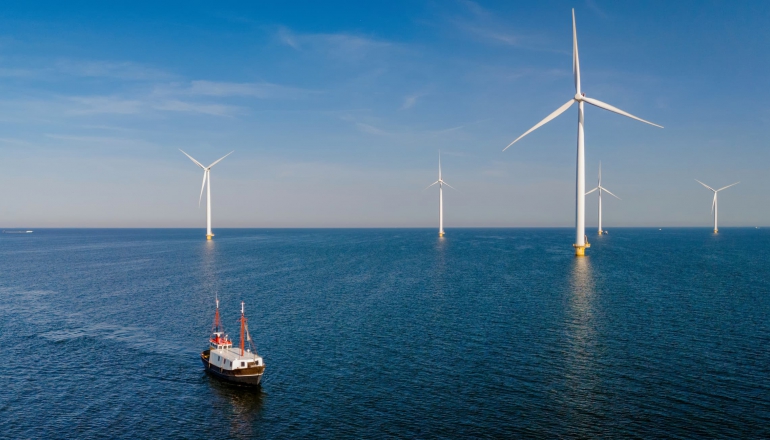
Vietnam’s Decree 272 establishes the country’s first detailed offshore wind development framework, but foreign developers still face financing, partnership, and grid risks. (Photo: iStock)
Vietnam has an estimated 599 GW of technical offshore wind potential along its coastline. But years of interest from international developers have yet to produce a single completed project.
The government moved to address that gap on July 4, when Decree No. 272/2026/ND-CP took immediate effect. The decree, which will remain valid until December 31, 2030, establishes Vietnam’s first detailed framework for offshore wind development, covering survey qualifications, investor eligibility, and project approval procedures.
Vietnam is targeting 6 GW of offshore wind capacity by 2030 under its eighth Power Development Plan. But for foreign developers, the central question is whether the decree meaningfully reduces the risks that have prevented projects from advancing, or simply provides a clearer route through a market that remains commercially uncertain.
Unlock the full article to explore three key takeaways:
Decree 272 gives foreign developers a formal offshore wind development pathway, but key commercial risks around PPAs, EVN payment security, currency conversion, and grid curtailment remain unresolved.
Foreign participation depends heavily on local partnerships, with state-owned or state-controlled enterprises required to hold at least 5% of each project company.
Developers may need to commit tens of millions of dollars to surveys and geo-data before securing project approval, while the decree’s 2030 expiry adds further pressure to investment decisions.