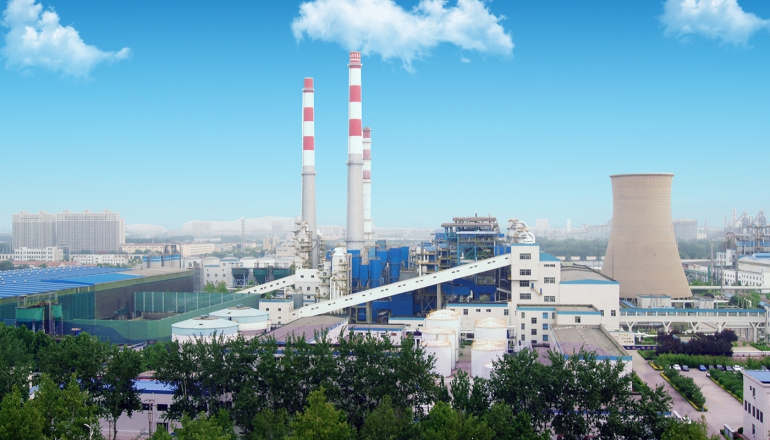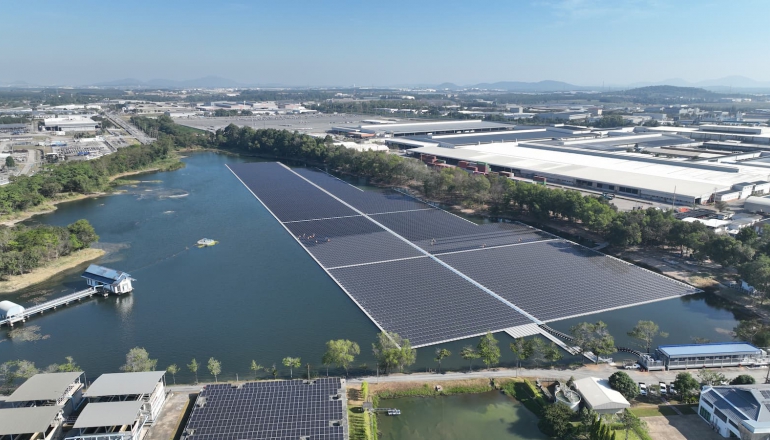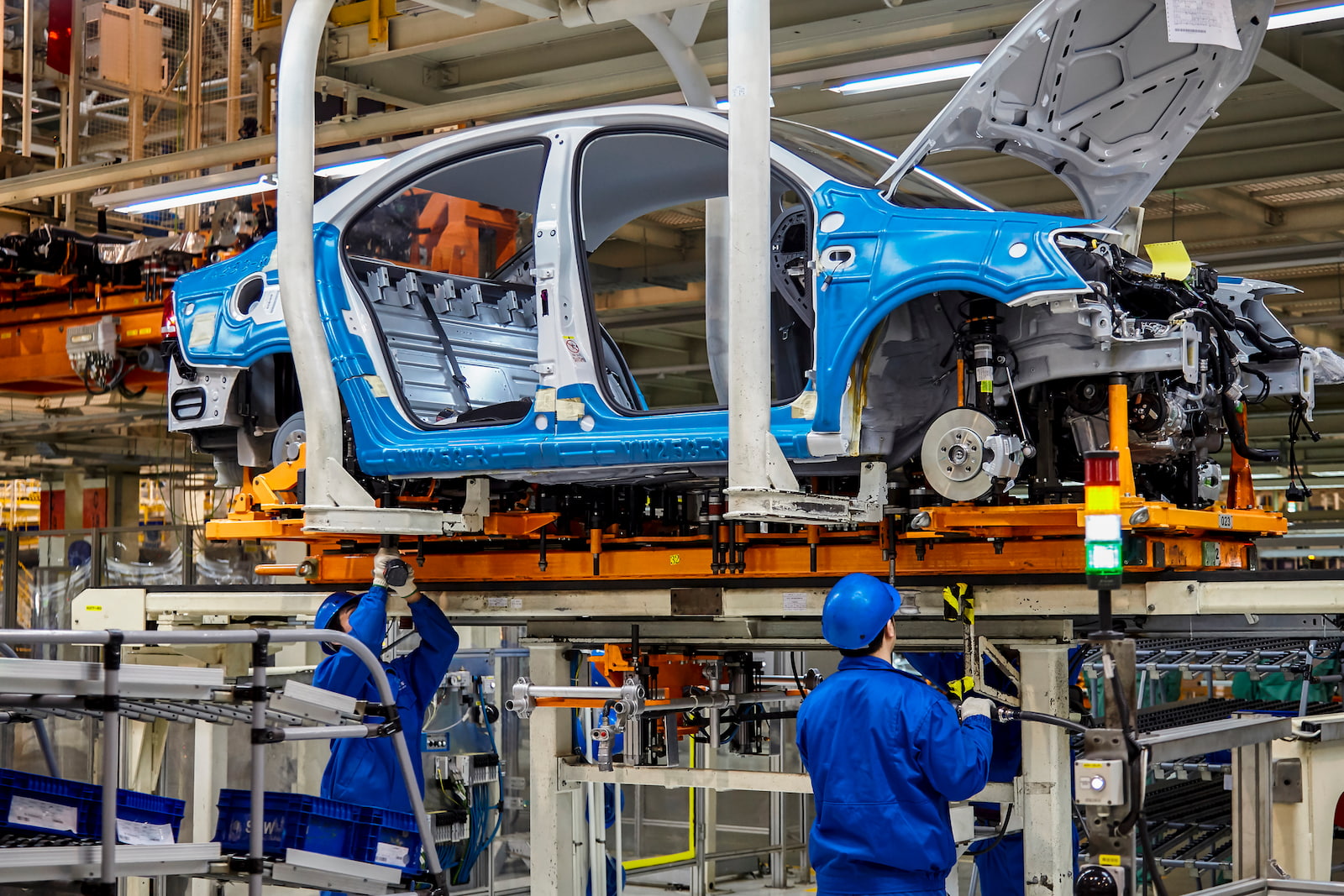
Thailand is a key manufacturing hub in Southeast Asia, with electronics and automative industries attracting significant foreign investment. (Photo: iStock)
As global brands accelerate supply chain decarbonization, Thailand, one of Southeast Asia’s leading manufacturing hubs, is facing mounting pressure to transition toward low carbon production. While companies once focused primarily on reducing emissions from their own operations, decarbonization requirements are now extending across the value chain. As a result, Scope 3 emissions management has become a key factor in maintaining export competitiveness.
According to RECCESSARY carbon market analyst Sherry Hu (胡湘渝), export-oriented industries including electronics, automotive components, and petrochemicals are among the first sectors in Thailand to feel the pressure.
Given their deep integration into global supply chains, these industries are facing increasingly stringent requirements from international brands on low carbon manufacturing, carbon data disclosure, and product carbon footprint management.
How Thailand’s electronics and automative industries are driving the green shift
Thailand, long established as a critical manufacturing hub in Southeast Asia, is experiencing a new wave of industrial investment. According to the latest data from the Thailand Board of Investment (BOI), total investment applications in the first quarter of 2026 surpassed THB 1.01 trillion (about USD 31.8 billion), with the electronics and automotive sectors remaining the primary focus for foreign capital.
Unlock the full article to explore three key takeaways:
- Scope 3 emissions account for 70% to more than 95% of total emissions, making supply chain decarbonization the biggest challenge for the electronics and automotive industries. The biggest challenge lies not within factories, but in supply chain emissions data, raw material emissions, and cross border verification.
- The impact of CBAM is extending beyond steel and aluminum to downstream electronics and automotive supply chains. If indirect emissions from electricity are included by 2030, CBAM costs for Thailand’s primary aluminum could increase by as much as 4.45 times.
- Thailand attracted THB 1.01 trillion in investment applications in Q1 2026, making supply chain decarbonization an important competitive advantage for businesses.