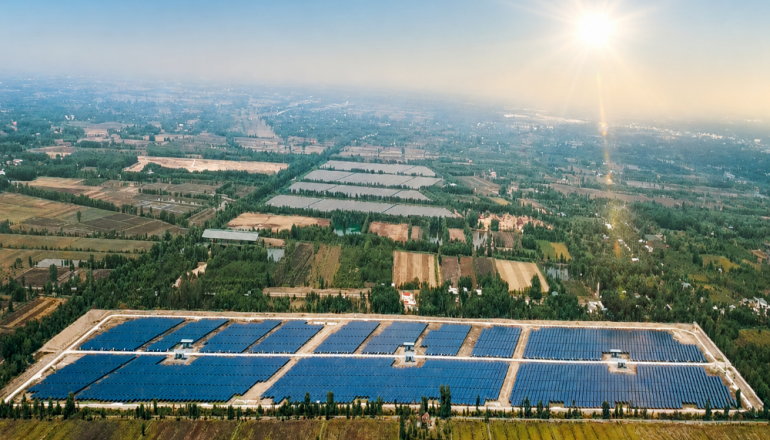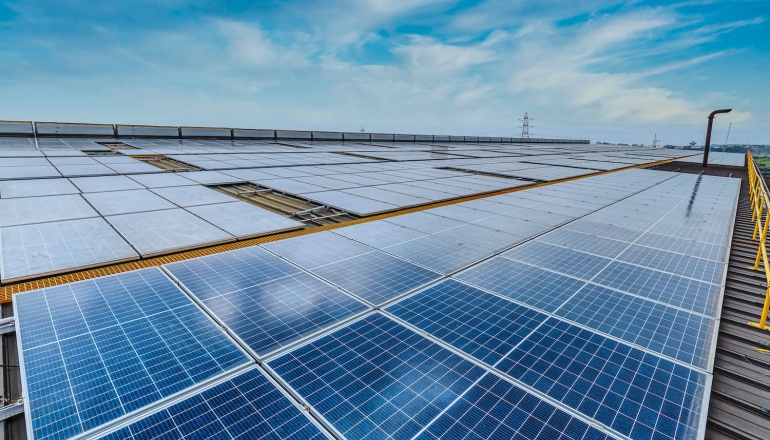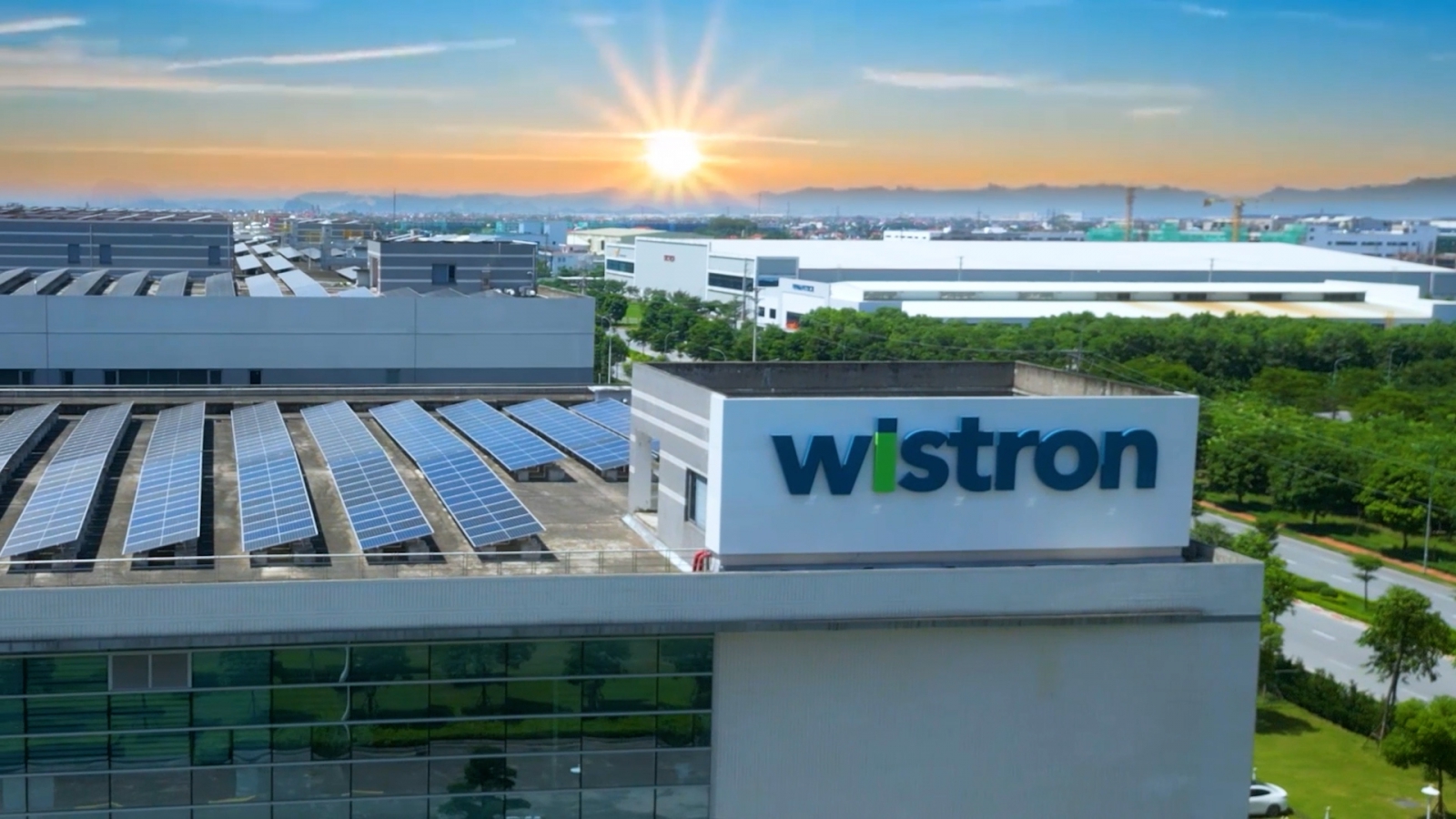
Wistron’s manufacturing complex in Ninh Binh Province consists of four facilities and already operates on 100% renewable electricity. (Photo: Wistron)
Vietnam’s electronics industry plays a pivotal role in global supply chains. In 2025, electronics exports accounted for more than 35% of the country’s total exports, reaching a record USD 165 billion. The figure is expected to climb to USD 200 billion in 2026, reinforcing the sector’s position as a key driver of economic growth and job creation.
However, growing pressure from the EU’s Carbon Border Adjustment Mechanism (CBAM) and net zero commitments made by technology giants such as Apple, Samsung, and Intel is accelerating the industry’s green transition as companies seek to maintain their place in global supply chains.
Electronics manufacturing services provider Wistron established its Vietnam production base in 2019, where it manufactures laptops, desktop computers, and servers. The site has already achieved 100% renewable electricity use. As Vietnam’s renewable energy market continues to mature, Wistron plans to increase the share of electricity sourced through direct procurement mechanisms while expanding the application of its product carbon footprint system across more product lines, supporting its goal of achieving carbon neutrality in operations by 2030.
Unlock the full article to explore three key takeaways:
- Wistron’s Vietnam operations have achieved 100% renewable electricity use through a combination of I-RECs and rooftop solar, while the company prepares to source power directly through Vietnam’s DPPA mechanism.
- The company has developed its own product carbon footprint system, initially focusing on laptops, and plans to obtain third party verification this year.
- Nearly 100 high-emitting suppliers have been identified, with Wistron using both incentives and stricter requirements to drive emissions reductions across its supply chain.