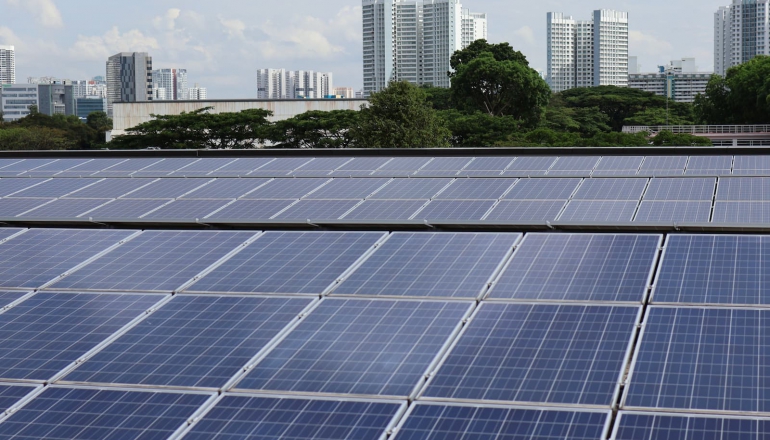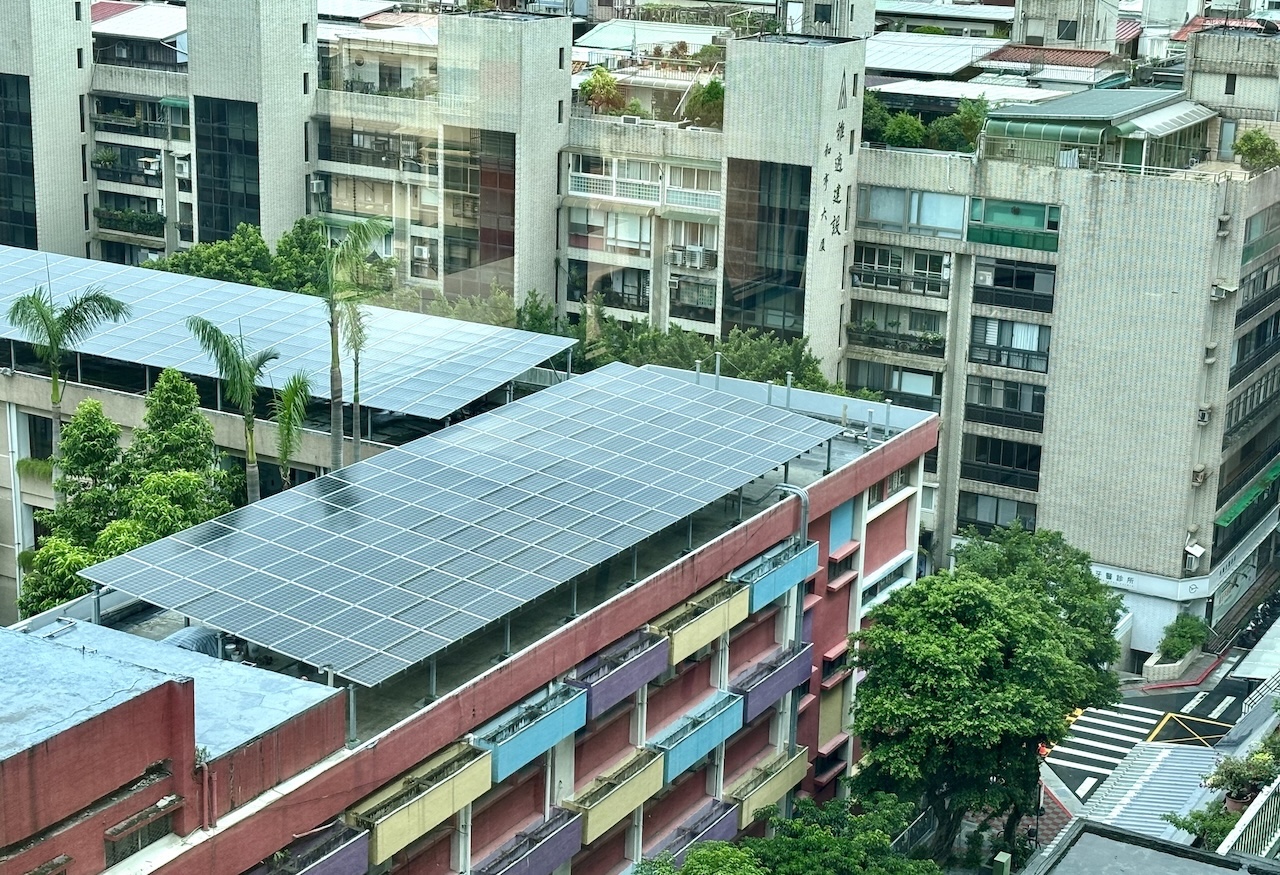
New rooftop solar rules took effect on Aug. 1, requiring solar panels on newly constructed, expanded or renovated buildings with a floor area of at least 1,000 square meters. (Photo: Daisy Chuang)
Taiwan’s new rooftop solar rules took effect on Aug. 1, but the government narrowed their scope shortly before implementation, temporarily excluding residential buildings, shops, clinics and other properties in response to concerns from developers and local governments. These buildings are expected to be brought under the rules once the necessary regulations and supporting measures are in place.
The policy is intended to advance Taiwan’s energy transition and strengthen the resilience of urban power systems. Yet RECCESSARY found that the roughly 20-year lifespan of solar installations also brings a range of challenges, including ownership, insurance, maintenance and eventual decommissioning.
Unlock the full article to explore three key takeaways:
- The rooftop solar mandate for residential buildings has been temporarily suspended, shifting the core debate from "whether to install" to "who manages it after installation."
- Residential solar faces regulatory gaps in equipment handover, water leakage, insurance, maintenance, and decommissioning after 20 years.
- If the government brings residential buildings back under the rules, it must establish full lifecycle support measures to genuinely strengthen urban energy resilience.