.jpg)
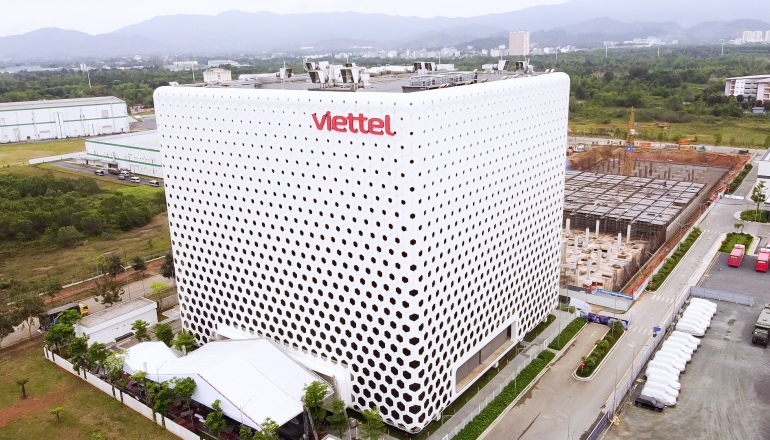
EVN is facing mounting pressure to transform as the country moves toward a more liberalized power market. (Photo: EVN)
Vietnam’s power market is moving toward greater liberalization and transparency as the government loosens regulations to let supply and demand play a bigger role in determining electricity prices, a shift aimed at boosting the country’s international competitiveness. The reforms have not only given rise to a direct power purchase agreement (DPPA) framework that could accelerate the energy transition, but will also introduce a two-component electricity pricing mechanism designed to reflect actual power costs more accurately.
In this feature series, RECCESSARY examines the rollout of Vietnam’s two major electricity reforms, market response, and their impact on renewable energy developers, corporate power users, and the national power system.
Vietnam Electricity (EVN) continues to play an indispensable role in the country’s power market liberalization. Yet, increasing market participation and strengthening competition mechanisms also challenge EVN’s traditional position in the sector.
Experts and industry insiders interviewed by RECCESSARY said EVN has been forced to accelerate power market reforms to secure the energy supply needed to sustain Vietnam’s economic growth. Still, they noted that the long-term success of electricity market liberalization will depend on stronger policy support and more advanced infrastructure development.
Separation of dispatch unit marks major shift for EVN
After outlining a three-stage roadmap toward a competitive electricity market in the 2004 Electricity Law, Vietnam launched the Vietnam Competitive Generation Market (VCGM) in 2012, followed by the Vietnam Wholesale Electricity Market (VWEM) in 2019. The final stage, the Vietnam Retail Electricity Market (VREM), is expected to be introduced within the next few years.
Once implemented, consumers will be able to freely choose their electricity suppliers, paving the way for the emergence of electricity retailers. At the same time, EVN’s dominance over the power market is gradually weakening. Even its power dispatch unit has now been separated from the group and placed under the Ministry of Industry and Trade (MOIT).
Unlock this article to learn three key takeaways
- EVN’s power dispatch unit has been separated from the group, a move widely seen as a key step toward building a more independent and transparent electricity market in Vietnam.
- Although the DPPA framework has officially launched, EVN’s stance remains ambiguous, with internal preference still leaning toward the traditional feed in tariff (FiT) system.
- As competition intensifies in Vietnam’s evolving power market, experts believe Taiwanese software and AI-driven energy solutions could offer differentiated advantages.