The global coral bleaching event of 2024 exposed reefs already weakened by pollution, coastal development, and heavy tourism. (Photo: Pixabay)
Malaysia’s coral reefs are shrinking at a pace that is hard to ignore. According to the latest national survey by Reef Check Malaysia, about one-fifth of the country’s coral cover has been lost since 2022, a decline compressed into just three years. What had been gradual erosion now looks more like a slide.
The 2025 survey assessed 297 reef sites across Malaysia, from the tourist-heavy islands off the peninsula to the more remote waters of Sabah. Average live coral cover fell to just under 40%, down from nearly 45% a year earlier. In 2022, it stood close to 50%. Put another way, the loss since 2022 would be equivalent, on a percentage basis, to Malaysia losing around 4 million hectares of forest over the same period.
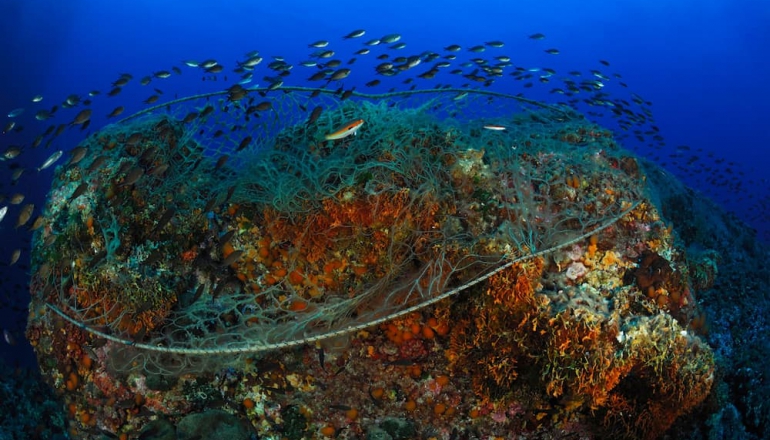
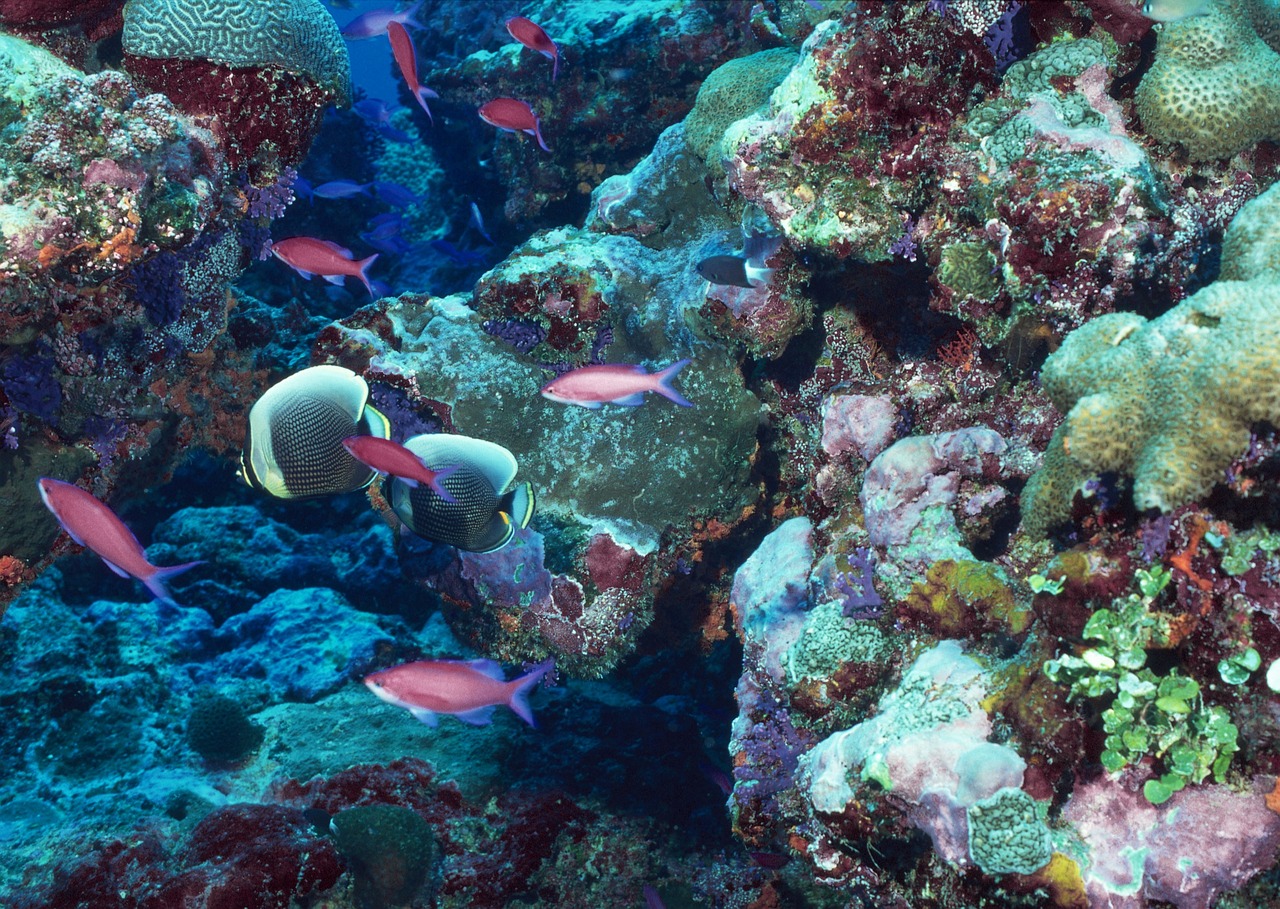
The causes are familiar, but their overlap is proving especially damaging. The global coral bleaching event of 2024 exposed reefs already weakened by pollution, coastal development, and heavy tourism. Physical damage is widespread. More than four-fifths of surveyed sites showed signs of trash or abandoned fishing gear, while over half had been scarred by anchors. Bleaching was recorded at two-thirds of locations. In parts of Sabah, damage linked to dynamite fishing, long outlawed, was recorded at a third of sites.
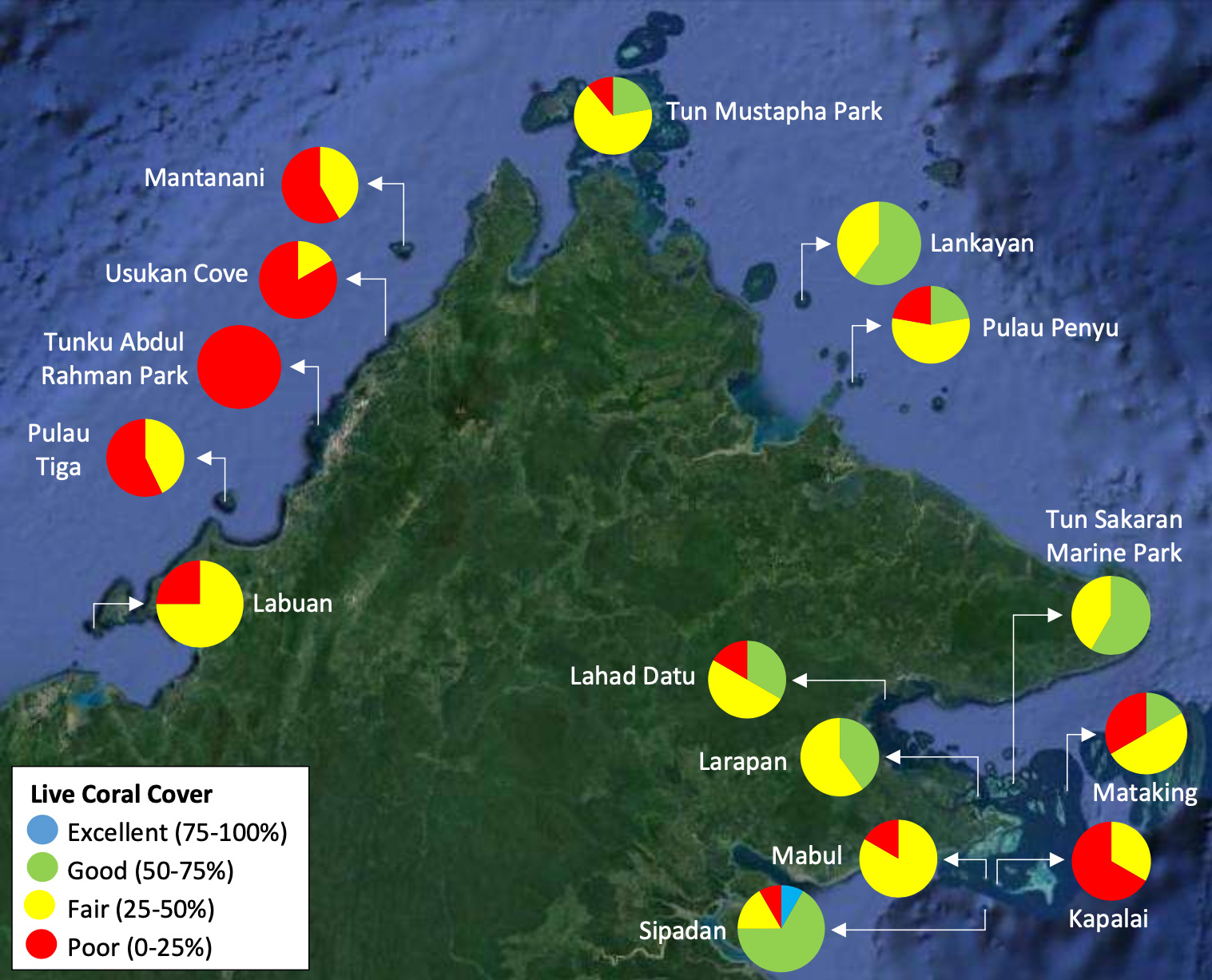
Map showing the reef health composition of each survey location in Sabah based on Live Coral Cover. Graphic courtesy of Reef Check Malaysia
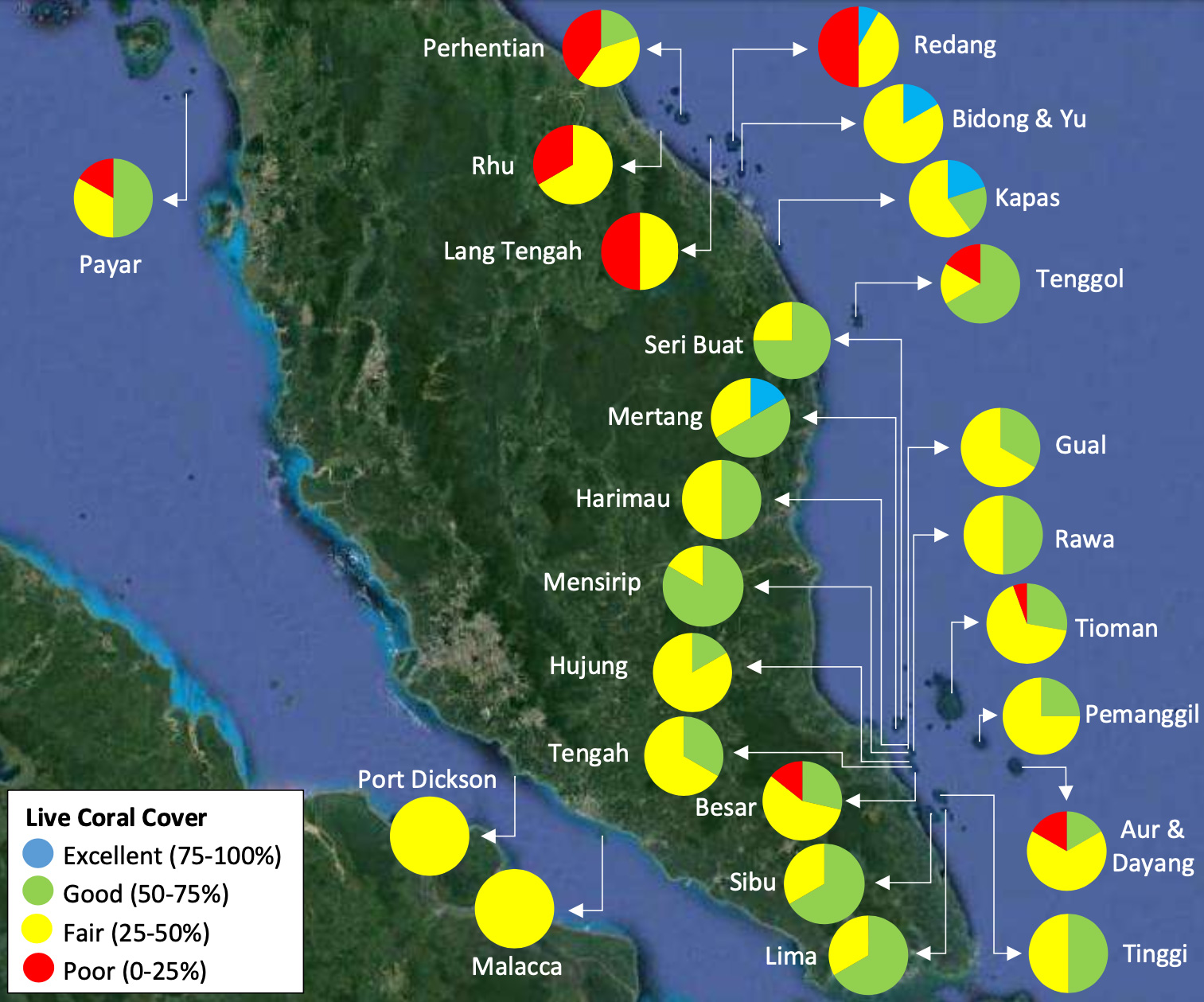
Map showing the reef health composition of each survey location in Peninsular Malaysia based on Live
Coral Cover.
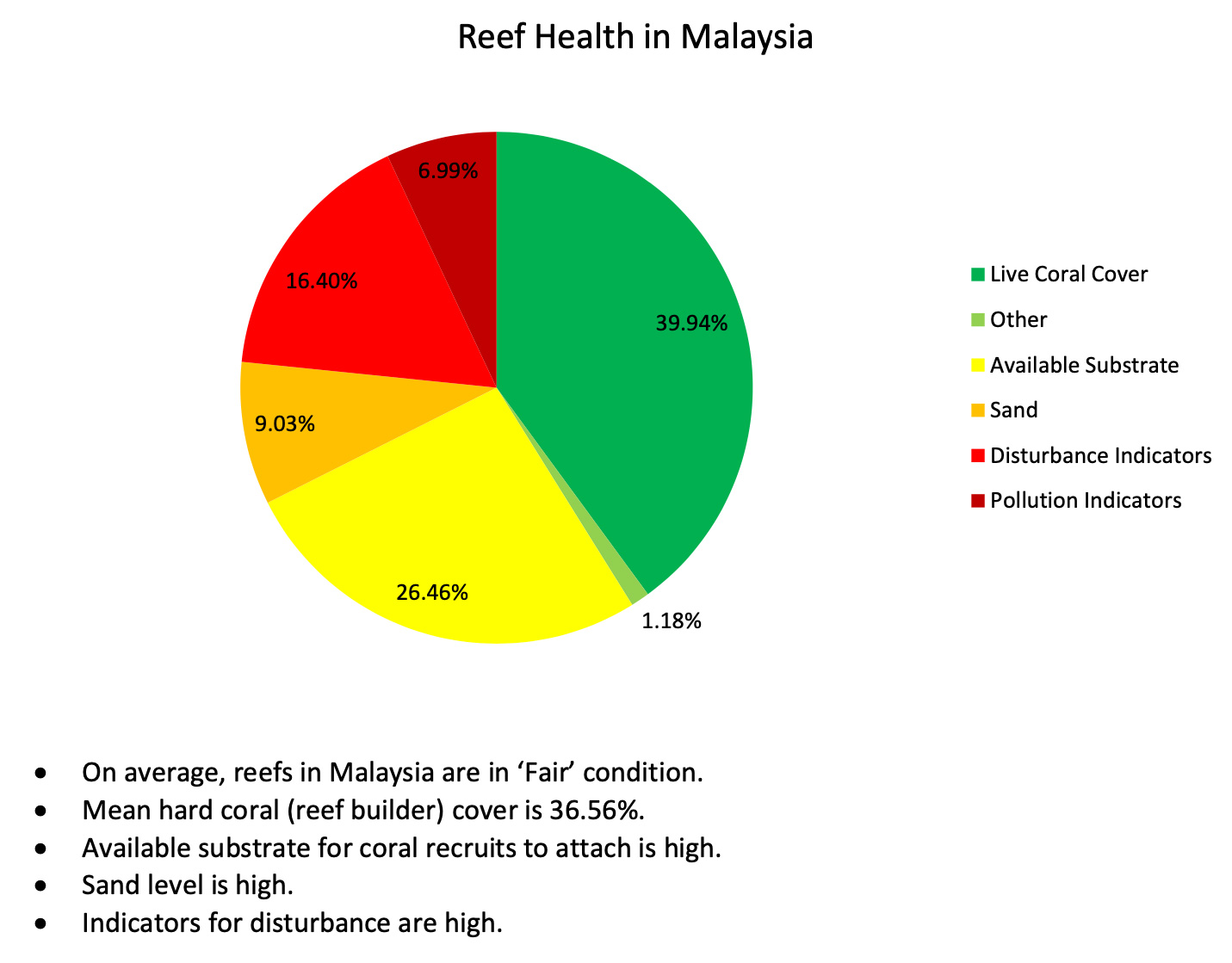
Reef Health in Malaysia
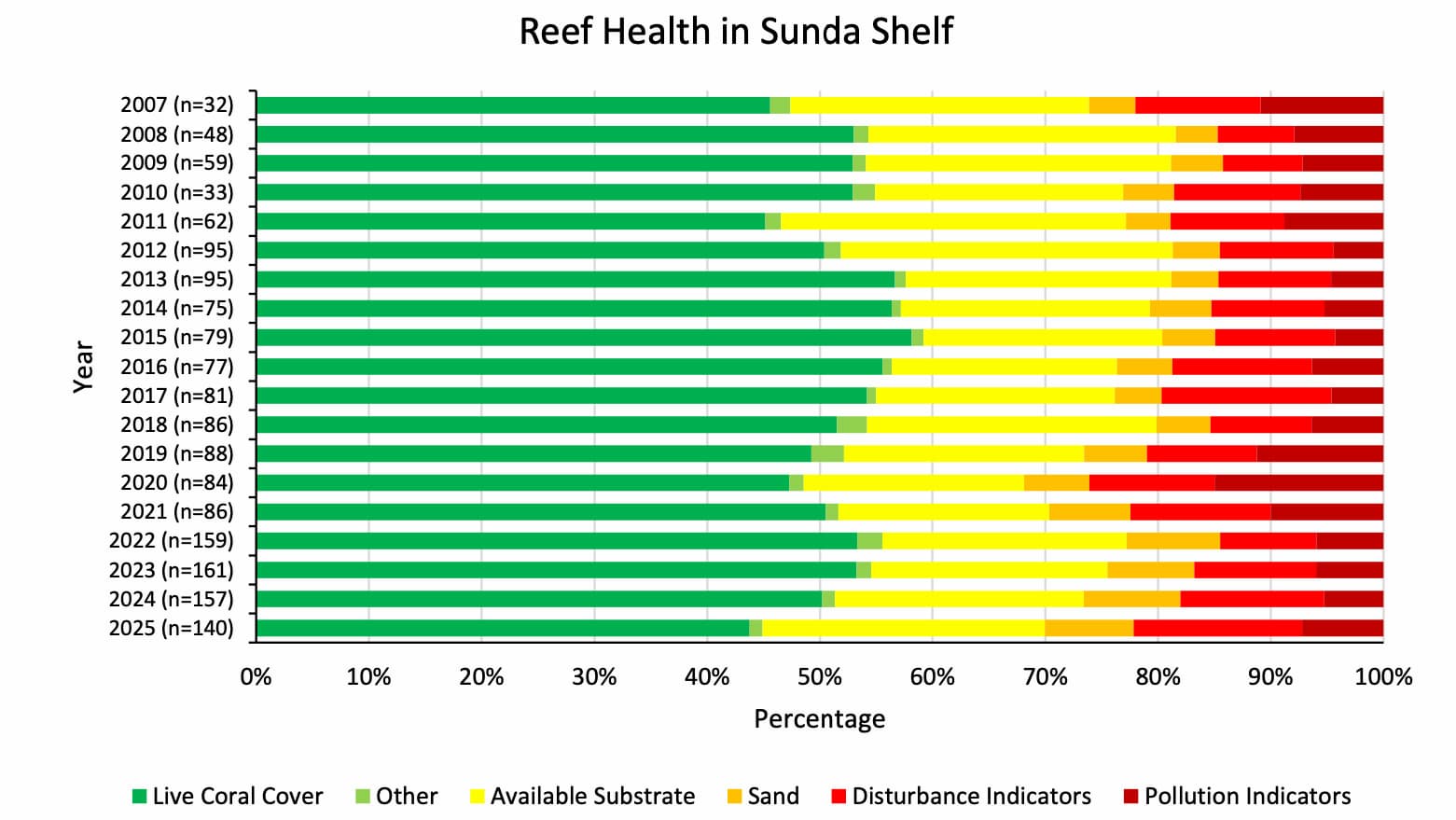
Reef Health in Sunda Shelf
Even areas designated as marine protected are struggling. Populations of key fish and invertebrates remain low where recovery might normally be expected, suggesting that protection on paper is not always matched by effective management on the water.
The implications extend beyond biodiversity. Coral reefs support fisheries, protect shorelines, and underpin coastal livelihoods. Their decline raises questions about food security and local economies, particularly in communities closely tied to tourism.
Reef Check Malaysia argues that the damage is not inevitable. Reducing local pressures, from poorly managed tourism to weak enforcement, could give reefs more room to cope with rising ocean temperatures. The group is pressing for co-management arrangements that formally involve coastal communities, alongside a shift away from mass tourism toward models that place less strain on fragile ecosystems. Without such changes, Malaysia’s reefs are likely to continue eroding, year by year, until recovery becomes far harder to imagine.
Author: Rhett Ayers Butler
This article was originally published on Mongabay under the Creative Commons BY NC ND licence. Read the original article