Login | Join Member | Subscription | Corporate Partnership

Singapore to mandate 10% energy cut for large buildings starting 2025

EN
Add to Favorites

Owners of energy-intensive buildings must reduce energy consumption under changes to law.

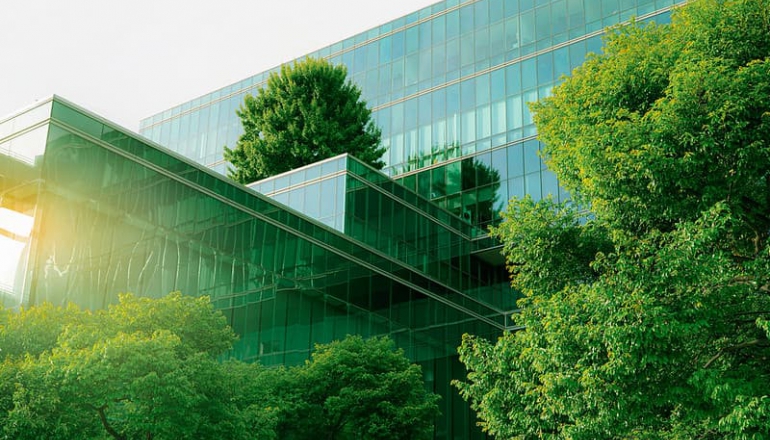
Singapore energy-intensive buildings must reduce energy consumption under changes to law. (Photo: iStock)

To reduce the carbon emissions of buildings, the Singapore government has implemented mandatory measures. Starting from the third quarter of next year, high-energy-consuming large buildings in Singapore must adopt energy-saving measures and reduce their energy consumption by 10% within the specified time frame, or face a fine of up to SGD 150,000 (about 116 thousand USD). The first batch of affected buildings is expected to be fewer than 100.

Mandatory energy improvement for high energy-consuming buildings

On Sept. 10, the Singapore Parliament passed an amendment to the Building Control Act, introducing the Mandatory Energy Improvement (MEI) scheme. This regulation applies to buildings with a gross floor area of 5,000 square meters or more, including commercial buildings, medical facilities, institutional sites, sports, and leisure centers.

Don't fall behind the market
Carbon prices, CBAM rules and energy policy shift weekly. Subscribe to unlock this article and all of RECCESSARY's market intelligence.
MONTHLY
US$9.90 /mo
Full flexibility — cancel anytime
Subscribe monthly
BEST VALUE · SAVE US$19.80
ANNUAL
US$8.25 /mo US$9.90
US$99 billed annually · 2 months free
Start your 14-day free trial
Unlimited article access Green power & carbon price data Members-only newsletter Report downloads
New readers enjoy a 14-day free trial · Already a member?
Related Topics
China’s carbon market is moving from burden to boon
Google invests $10 mln in Holocene to tackle carbon capture’s cost ‘holy grail’
Back

More Related News

TOP
Download request

Please fill out the form to download samples.

Name
Company
Job title
Company email
By using this site, you agree with our use of cookies.