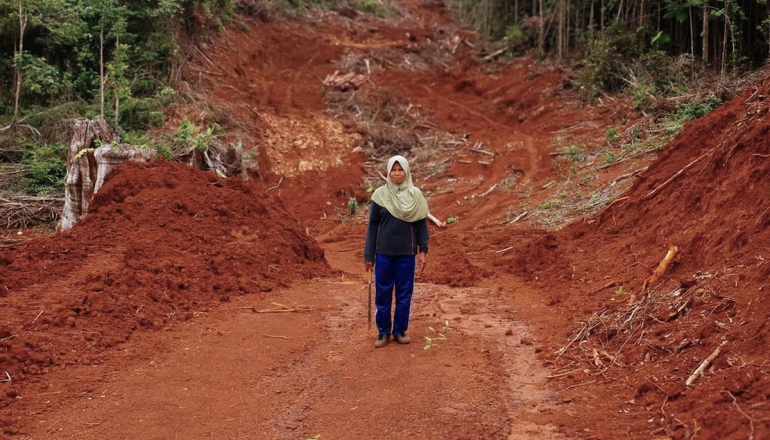
The energy transition is driving demand for minerals in the Philippines, putting Indigenous peoples’ legal protections at risk
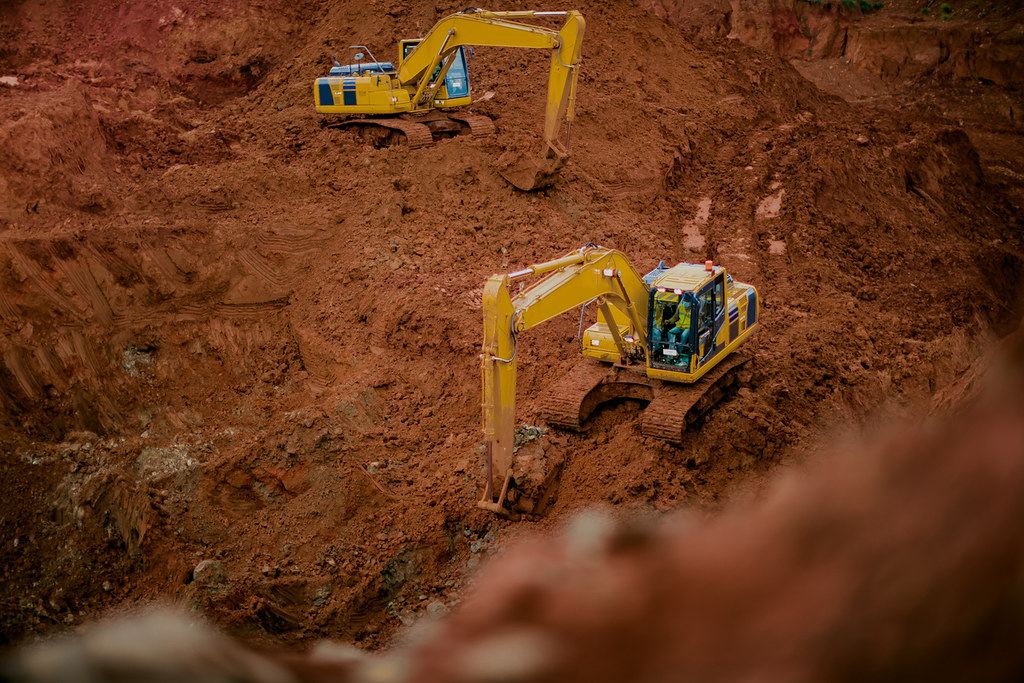
(Photo: iStock)
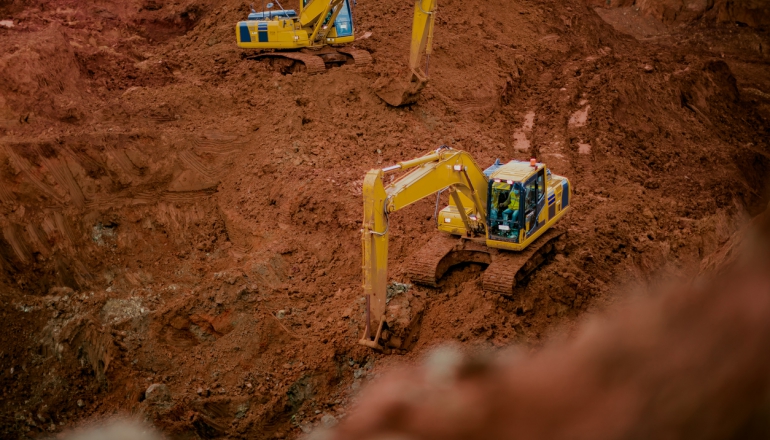
The Philippines has emerged as a major supplier for the global energy transition, thanks to its reserves of minerals like class 1 nickel, which were valued at PHP 238.9 billion (USD 4.16 billion) last year. During 2022, only Indonesia produced more nickel than the Philippines. However, this boom is fomenting violence against Indigenous people in the country, whose ancestral homes are increasingly threatened by the mining.
According to the 2023 “State of Indigenous Peoples Address” report, published by the Legal Rights and Natural Resources Center (LRC), land and environmental conflicts in ancestral domains increased by 6% year-on-year, with more than 70,000 additional hectares affected.
Efenita Taqueban, executive director of the LRC told Dialogue Earth: “When we talk about resource conflict, the conflicts that occur on the ground, these have mortal implications for Indigenous peoples. Their lives are really on the line.”
The communities have trouble understanding ‘just transition’, because they see no difference between what is ‘just’ and what was not ‘just’ before, since the impacts are the same
- Beverly Longid, national convener and international solidarity officer for the National Alliance of Indigenous Peoples Organizations (Katribu)
The report finds mining expansion to be the main driver of these conflicts. It says another 223,000 hectares of land were signed off for mining projects between 2022 and 2023, while 45,070 Indigenous people were affected by a human rights abuse – a 62% increase from the 2022 report.
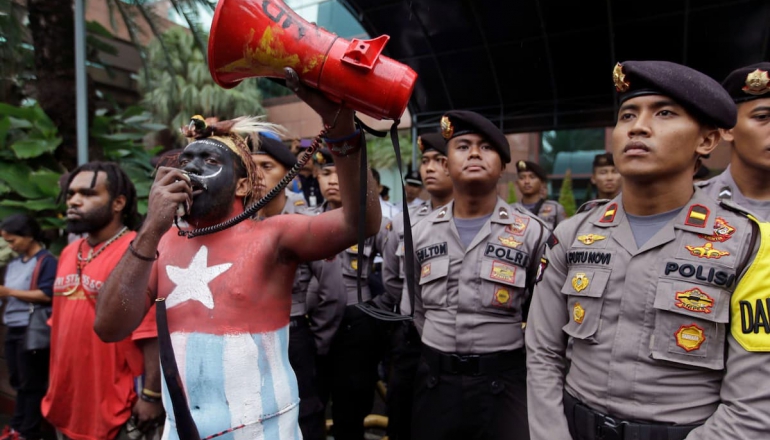
Behind these numbers are stories of killings, arrests and harassment. Indigenous people are being red-tagged (falsely labelled as terrorists or supporters of communist insurgency). Examples of these abuses being directly related to transition minerals include the “people’s barricades” in the country’s western Palawan province. These physical blockades were deployed against a nickel mine in the coastal town of Brooke’s Point during February 2023.