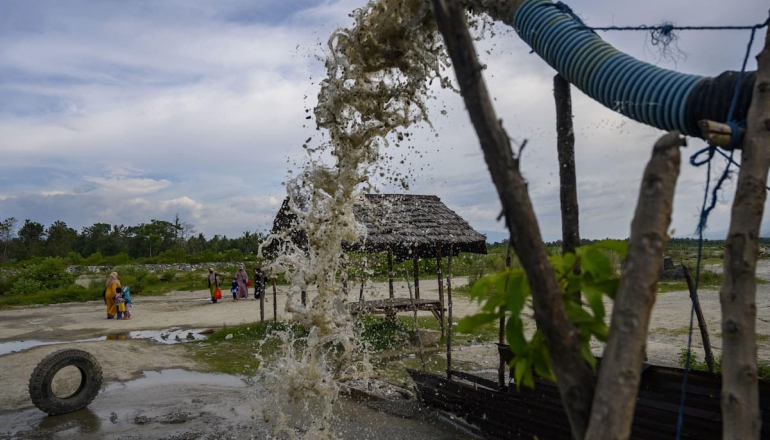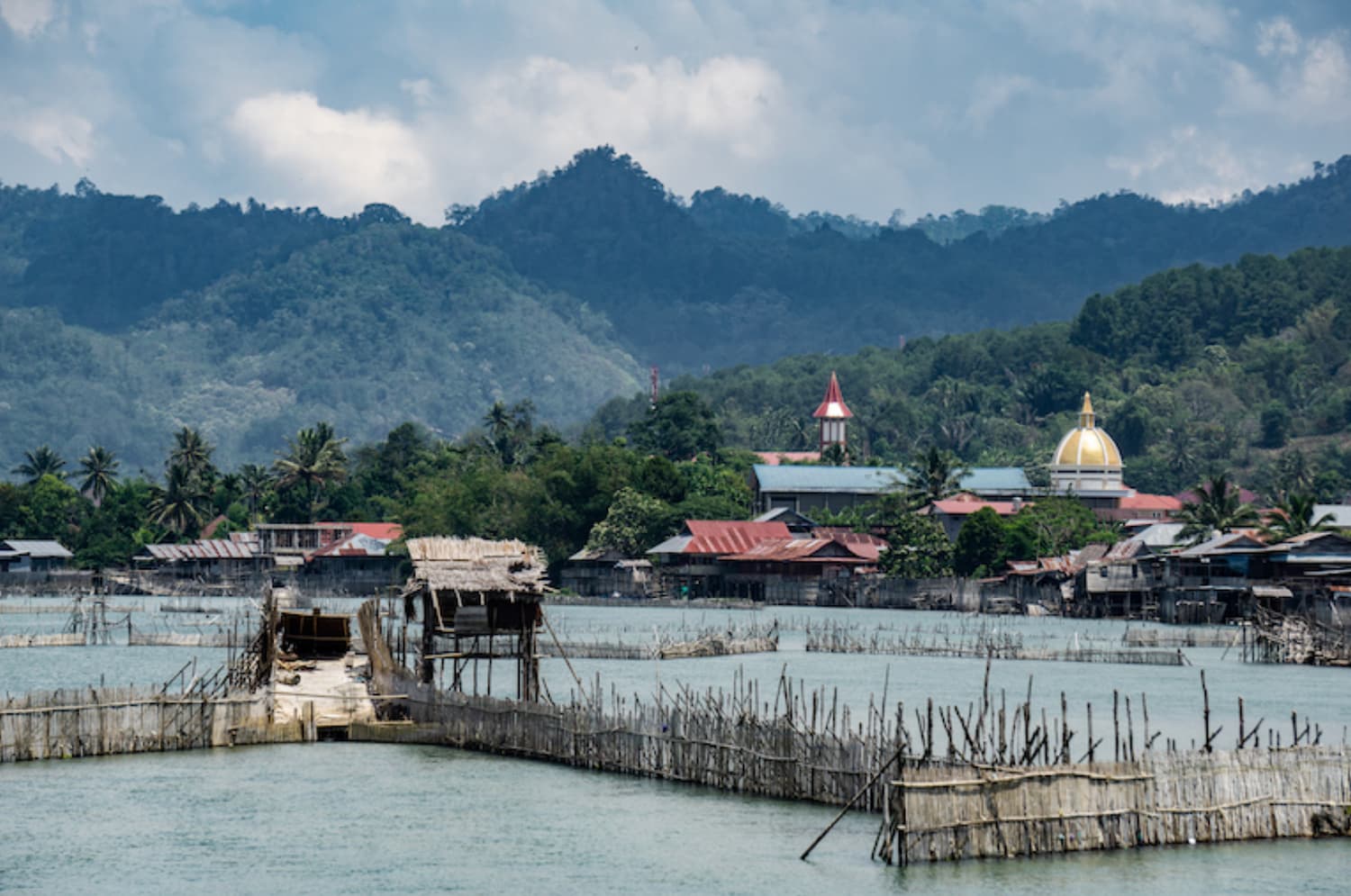
Structures for Wayamasapi, a tradtional eel fishing method, near Tentena town at the mouth of Lake Poso. Image by Ian Morse for Mongabay.
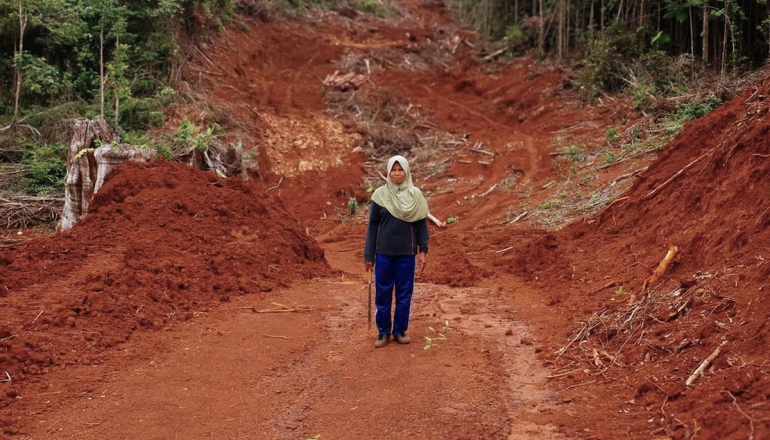
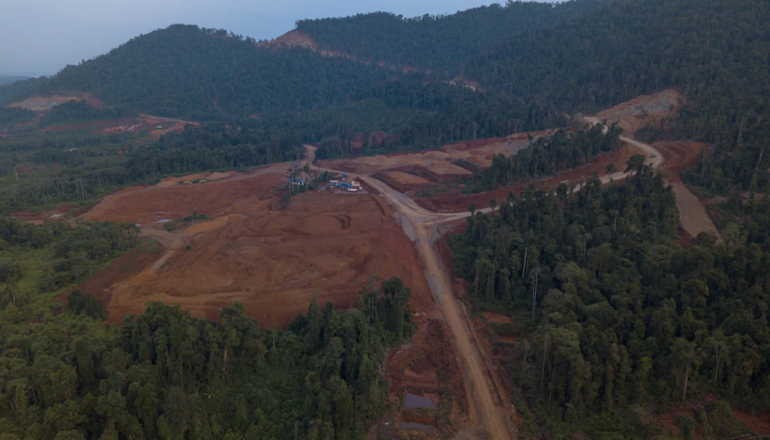
Over the course of just eight years, the forests surrounding Indonesia’s Lake Poso, an ecological and evolutionary “gem” on the island of Sulawesi, have been whittled away, satellite data and imagery show, while flooding has intensified, and traditional livelihoods suffer.
Lake Poso is Indonesia’s third-largest lake, 32 kilometers long by 16 wide (20 by 10 miles), and lies in Poso district in the province of Central Sulawesi. The lake harbors many unique species found nowhere else on Earth, leading to its designation as an Alliance for Zero Extinction (AZE) site.
Satellite data from Global Forest Watch reveal ongoing encroachment into the Pamona Nature Reserve at the lake’s southeastern edge, with 681 hectares (1,683 acres) of humid primary forest lost within the AZE site between 2002 and 2023. This represents 48% of total tree cover loss during the period.