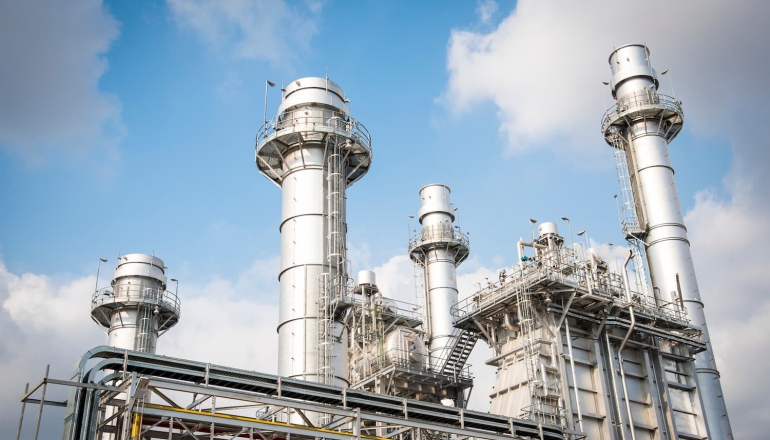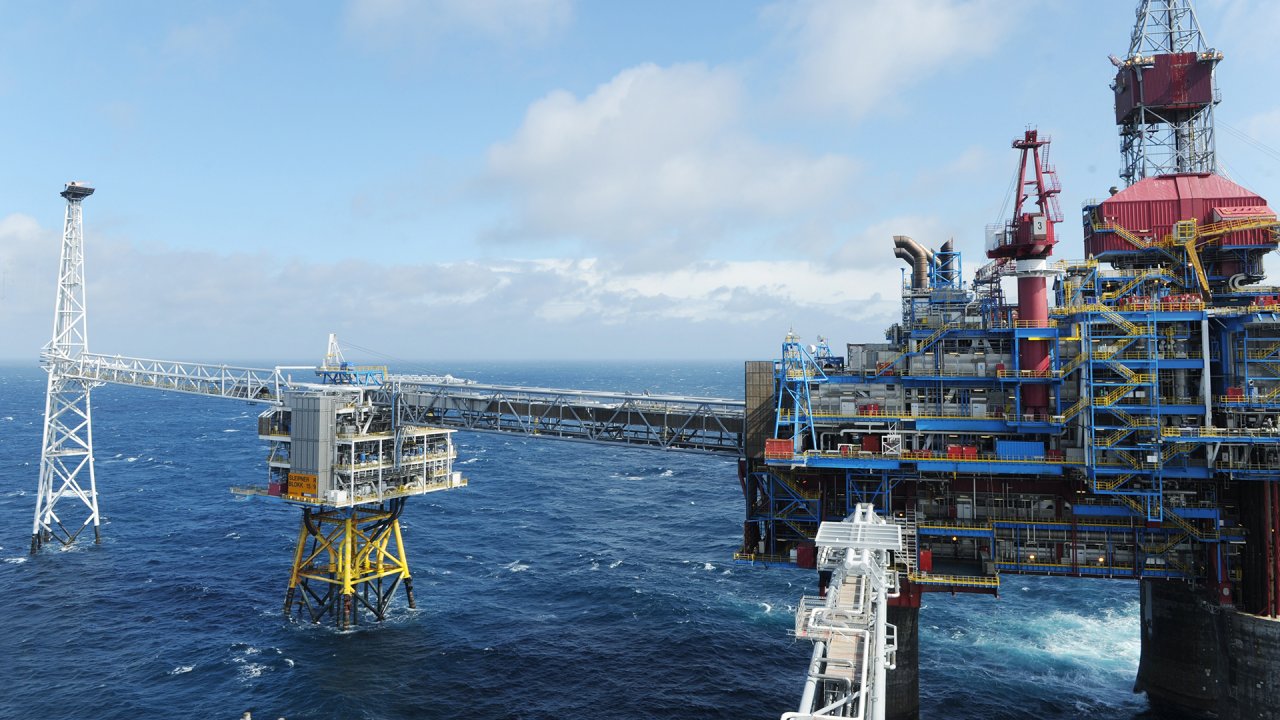
The Sleipner subsea gas field in the North Sea captures and stores around 1 million tons of CO2 annually. (Image: Equinor ASA)
Malaysia, a major oil-producing country, has used carbon capture and storage (CCS) technology to enhance oil recovery and generate foreign exchange. As the world moves toward energy transition, CCS has emerged as a key decarbonization technology.
The Malaysian government has passed the legislation to support CCS development. RECCESSARY takes a closer look at Malaysia’s CCS ambitions, highlighting the country's advantages, emerging challenges, and what Taiwan can learn from global frontrunners.
Carbon capture, utilization and storage (CCUS) is one of the key technologies to achieve net-zero emissions, and for fossil fuel-reliant countries like Taiwan, it plays an indispensable role in the transition process. As many countries around the world actively invest in CCUS projects, Taiwan can draw on experiences of early adopters like Norway and Denmark to advance carbon storage practices and strengthen environmental risk management.
North Sea becomes a carbon storage hotspot as Norway and Denmark take the lead
CCUS involves complex technologies and requires stringent control at every stage—from the real-time capture of industrial carbon emissions to safe transportation, and ultimately to the permanent storage or reuse—to prevent any leakage of the captured CO2 into the atmosphere.
Currently, commercial CCUS operations are concentrated in Northen Europe. Norway initiated the Sleipner subsea oil field project in 1996, the world’s first operational carbon storage facility. It has been running for nearly 30 years and storage around 1 million tons of CO2 per year, injecting it into saline aquifers beneath the North Sea for long-term storage. Following this, Norway launched the Snøhvit carbon storage project in 2008, which has stored 6.5 million tons of CO2 by 2019.