Civil society groups express concern over the draft declaration’s failure to adequately acknowledge “Indigenous peoples”, among other shortcomings.
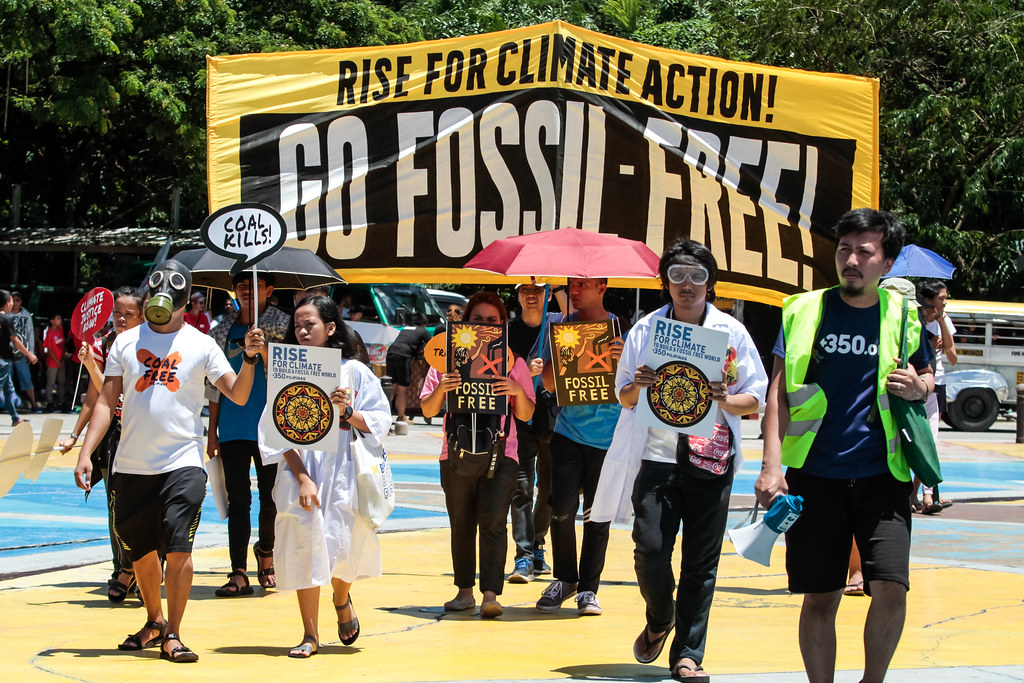
Rise for Climate, Justice, and Integrity of Creation march in Quezon City, Metro Manila, where thousands took the streets to demand energy transformation and climate justice. Image: 350.org
On 24 March, two young anti-coal activists were abducted from a tuk-tuk in San Carlos, the Philippines, and forced into another vehicle. Francisco “Eco” Dangla III and Joxelle “Jak” Tiong were later found alive; both had been assaulted.
Their ordeal coincided with ongoing efforts across Southeast Asia to protect environmental defenders through a region-wide declaration on environmental rights.
From 2012 to 2021, 318 land and environmental defenders were killed across Southeast Asia, representing 18% of the global total, according to Global Witness. The Philippines ranks as Asia’s most lethal country for such activists, with 281 recorded deaths since 2012. Intimidation tactics – including threats, surveillance, arbitrary arrest and violence – target not only frontline communities and Indigenous peoples, but also journalists and lawyers.
News that the region would develop an environmental rights declaration was initially met with enthusiasm by civil society organisations, representing the Association of Southeast Asian Nations’ (ASEAN) first environmental legal instrument since it was formed in 1967. However, many in civil society have since criticised what they see as the watering down of the declaration during its two-year drafting process, with key previsions weakened.