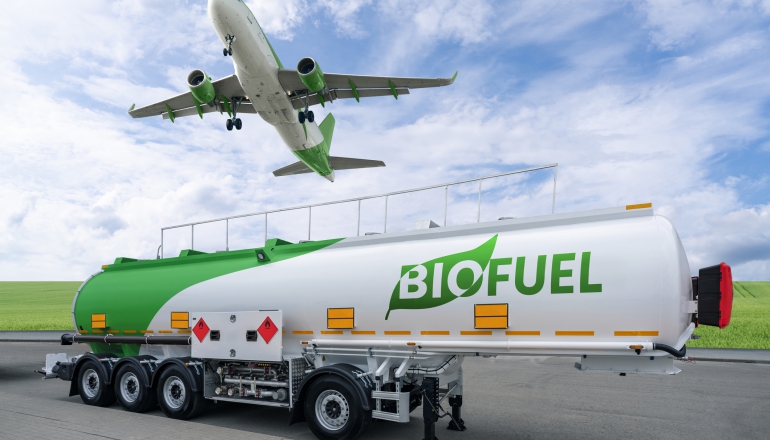
The adoption of SAF by Taiwanese aviation operators remains voluntary, with the main demand driven by the international market. (Photo: iStock)
Taiwan is set to enter its first year of sustainable aviation fuel (SAF) adoption, with Songshan, Kaohsiung, and Taoyuan airports scheduled to begin SAF blending for domestic carriers in the first half of the year.
5% SAF by 2030: CPC and Formosa join Taiwan’s push for greener aviation
Used cooking oil, previously associated with food safety concerns, is now emerging as a valuable resource for producing biodiesel and SAF.
When properly processed, 10 liters of waste oil can yield about 9 liters of biodiesel. Compared to conventional jet fuel, biodiesel can cut greenhouse gas emissions by 90%.
Research from PwC shows that SAF can reduce emissions by 66% to 94%, making it a critical solution for the aviation industry’s net-zero transition.
The aviation sector accounts for 2.5% to 3% of global carbon dioxide emissions. To reach net-zero by 2050, the International Air Transport Association has set a target for SAF to make up 10% of fuel use by 2030 and 70% by mid-century.
In response, Taiwan’s Ministry of Transportation and Communication (MOTC) aims to reach 5% SAF use on international routes operated by domestic carriers by 2030.