
ASEAN-6 is advancing its renewable energy transition amid rapid economic growth, with a 5.2% average GDP rise in 2024. (Photo: iStock)
As Southeast Asia's economic growth accelerates, driven by its emergence as a manufacturing hub amid global geopolitical shifts, the development of renewable energy in the region is increasingly vital. The ASEAN-6 nations—Indonesia, Thailand, Singapore, Vietnam, Malaysia, and the Philippines—are at the forefront of this transition, balancing economic expansion with the pressing need for energy decarbonization.
RECCESSARY is set to launch an annual report on trends in ASEAN's green energy market, focusing on key developments in 2025. The report will also review policy progress over the past year, providing businesses and investors with insights into the latest market trends.
In 2024, ASEAN-6 countries experienced robust economic growth, with an average GDP increase of 5.2% by the third quarter. This growth has amplified energy demand, highlighting the urgency of renewable energy adoption to meet both economic needs and carbon reduction goals. Despite ambitious targets (Figure 1), the region faces numerous challenges, including entrenched reliance on fossil fuels, inadequate grid infrastructure, and regulatory ambiguities. These factors hinder the rapid deployment of renewables, with new fossil fuel plants offsetting the emissions avoided by renewable projects.
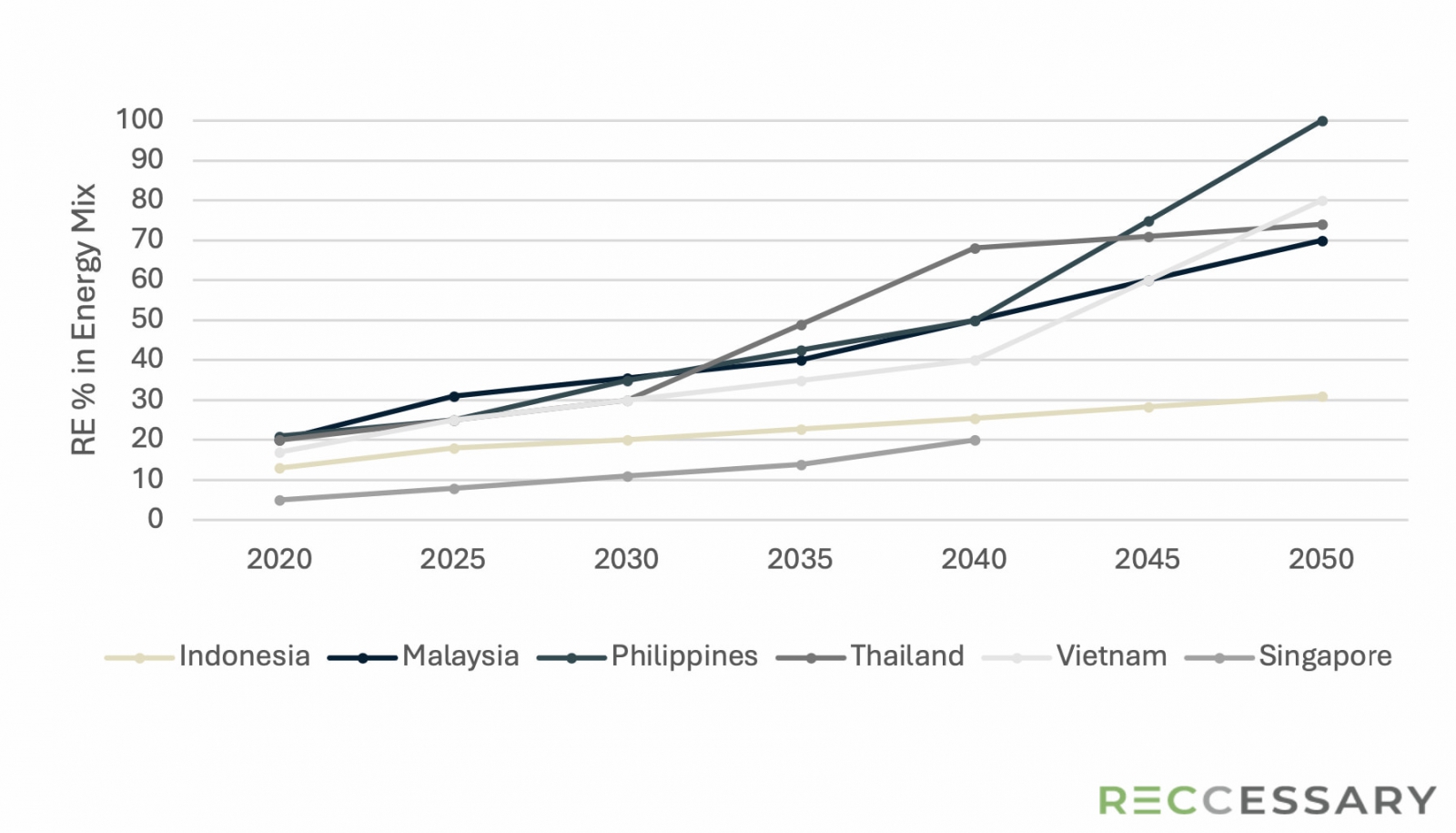
Figure 1. ASEAN-6 renewable energy targets