Alternatives to wind and solar energy
According to the International Energy Agency (IEA), hydro, wind, and solar are the most widely used renewable sources due to their cost-effectiveness and efficiency, accounting for more than 90% of all renewable energy use (see Figure 1 and 2 below). Despite the significant cost advantage, high intermittency[1] of wind and solar energy requires market participants to develop strategies accordingly. It is nearly impossible for businesses to achieve 100% renewable energy use (RE100) depending solely on wind or solar energy, especially with the bundled REC[2] mechanism and 24/7 use of renewable energy. Therefore, most companies that have completed RE100 will use 10% to 15% of more stable renewable energy sources, with biomass being the majority. Due to the intermittency of solar energy, the electricity distribution shows a duck curve (see Figure 3), which leads many countries to introduce renewable energies with higher stability in recent years to stabilize their power grids.
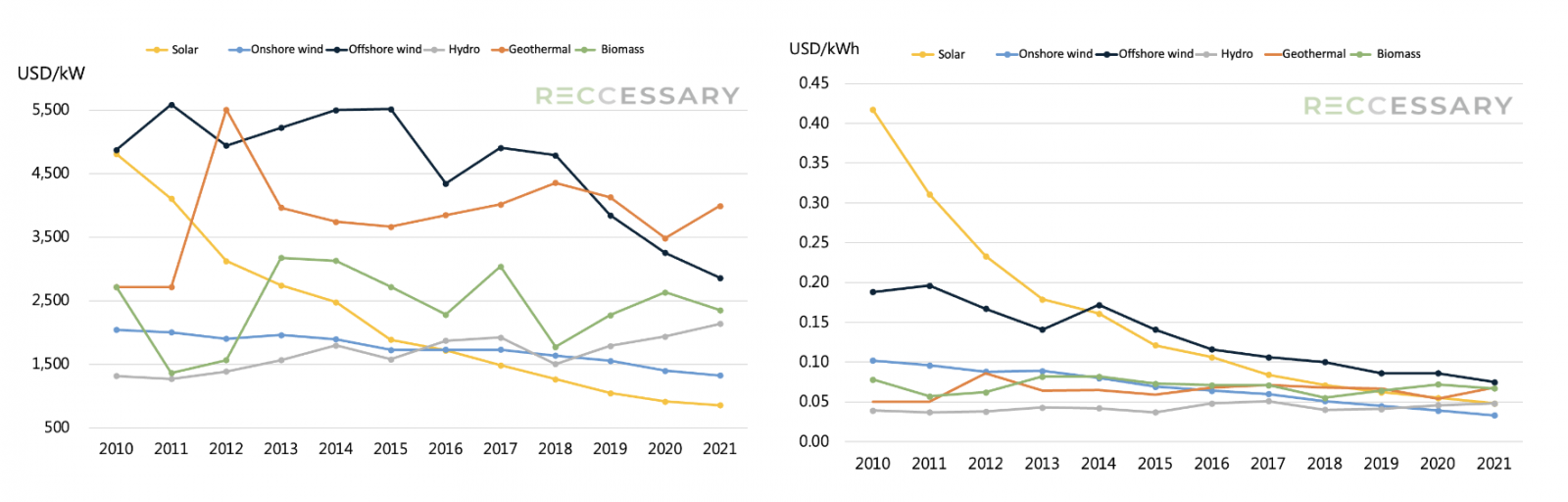
Figure 1. Global renewable energy installation costs 2010-2021 (Left)
Figure 2. Global renewable energy levelized cost of electricity 2010-2021 (Right)
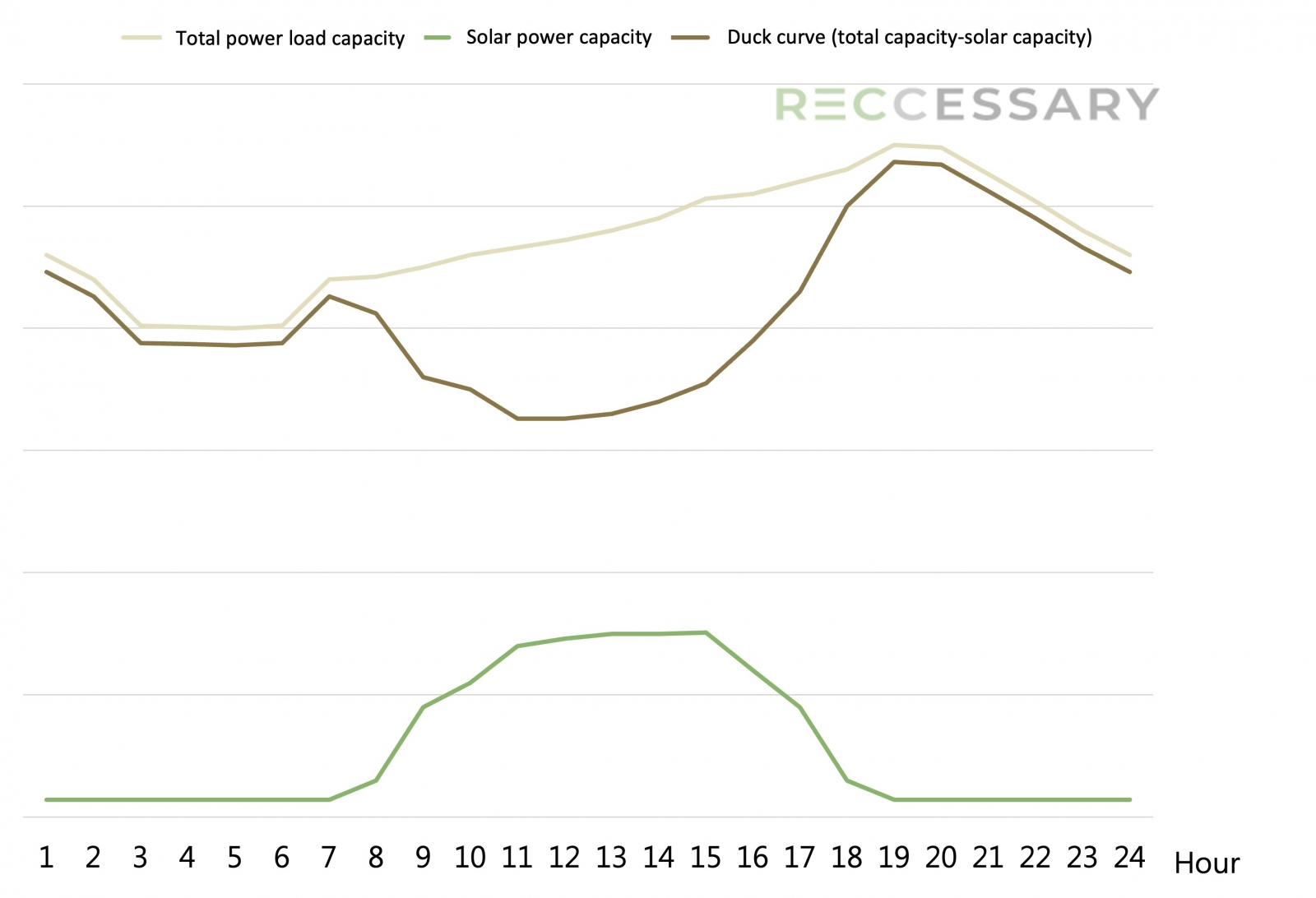
Figure 3. Hourly power load curve diagram