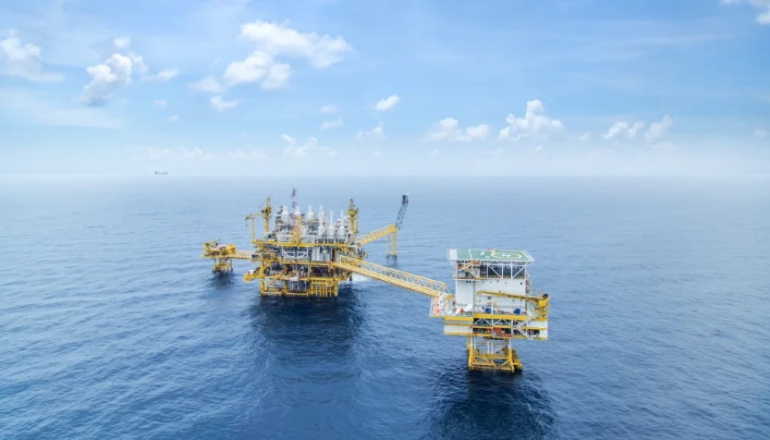
Petronas and other ASEAN state oil firms adopt similar strategies to pursue net-zero goals. (Photo: Petronas)
As the ASEAN Summit concluded, Malaysia formally handed over the chairmanship to the Philippines. This year’s summit marked a shift from symbolic gestures to substantive dialogue, with clearer action plans and defined goals. Notably, the vision for a unified renewable electricity market gained traction and attention.
RECCESSARY presents the special series “ASEAN’s energy leap,” offering a comprehensive look into this emerging green growth hub, from Malaysia’s leadership during its chairmanship, to new developments in the ASEAN Power Grid (APG), and the decarbonization efforts of national oil companies across the region.
According to Fortune, energy-related companies account for nearly one-third of total revenue among Southeast Asia’s top 500 firms, making the sector a key driver of regional growth. At the same time, it remains a major source of emissions, especially as fossil fuels still dominate ASEAN’s power generation, with coal alone accounting for 70%.
As some of the region’s largest emitters, national oil companies are central to the region’s decarbonization efforts, and their transition strategies will have far-reaching implications for sustainable development.
Major state-owned oil companies across Southeast Asia are pursuing decarbonization by gradually expanding low-carbon products within their existing oil and gas operations, while also investing in carbon capture, utilization, and storage (CCUS) technologies. Their strategies aim to strike a balance between national energy security and the global shift toward net zero. Guided by local conditions, these companies are selectively entering emerging sectors and steadily moving toward industrial decarbonization.