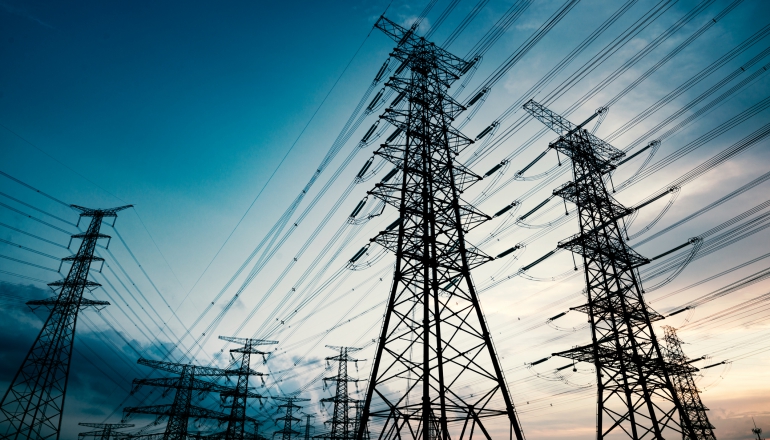
.jpg) Southeast Asia has 20 TW of untapped VRE potential, but countries remain at different integration stages and will rely on the ASEAN power grid to scale up, the IEA says. (Photo: iStock)
Southeast Asia has 20 TW of untapped VRE potential, but countries remain at different integration stages and will rely on the ASEAN power grid to scale up, the IEA says. (Photo: iStock)
Southeast Asia has 20 TW of untapped variable renewable energy (VRE) technical potential, but countries remain at different phases of solar and wind integration, underscoring the need for a stronger regional grid, according to a new report by the IEA.
The region must accelerate VRE integration and address flexibility challenges as power demand surges, and the IEA’s three-tier roadmap of foundational, enabling and transformational actions offers guidance for the policies needed to support this development, experts said during the webinar “Integrating Solar and Wind in Southeast Asia.”
“Realizing even a fraction of the 20 terawatts could provide substantial opportunities,” said Sue-Ern Tan, Head of the IEA Regional Cooperation Centre.
Countries at different VRE-integration phases, Vietnam and Philippine lead
Countries across the region are progressing at very different speeds, according to the IEA’s six-phase framework for variable renewable energy integration. Camille Paillard, one of the study’s main authors, said the framework classifies power systems based on how much solar and wind they can absorb and the kinds of operational challenges that arise as VRE penetration increases.