Environmental lawyer Duncan Currie discusses fears deep sea miners could bypass a UN agreement and apply to mine under US law
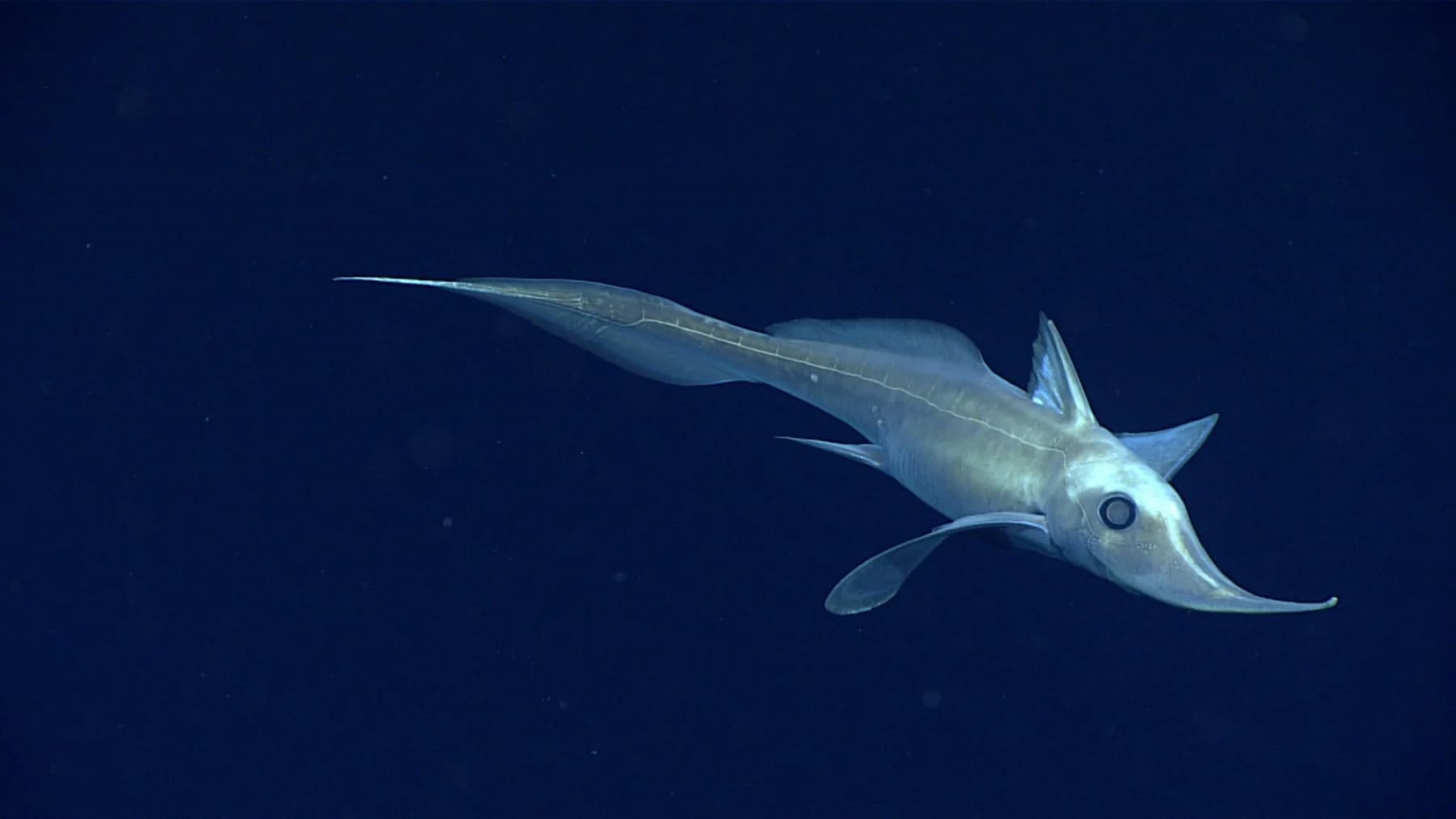
Chimaeras like this one are found in the ocean depths, where campaigners fear seabed ecosystems may be disrupted by mining operations (Image: NOAA Office of Ocean Exploration and Research, CC BY-SA 2.0)
Pressure to open the international seabed for mining is mounting.
Last month, Canadian business The Metals Company (TMC) announced plans to apply to US authorities for permission to mine in international waters. That could mean bypassing a United Nations seabed regulator that has for years been considered the only body capable of giving such approval.
The news shocked environmentalists and governments who have been pushing for a mining moratorium to prevent damage to little-understood ecosystems.
Deep-sea mining involves harvesting minerals more than 200 metres below the surface. Would-be miners are mainly targeting nickel, copper, cobalt and manganese. These “critical minerals” are essential to modern technologies including smartphones, solar panels, wind turbines and electric vehicles. But collecting them could devastate vulnerable ecosystems, say those opposed to the plans.
Previously, most eyes had been focused on negotiations at the International Seabed Authority. ISA is a UN body that regulates seabed mining in international waters under the UN Convention on the Law of the Sea. Now, TMC says that – thanks to legislation passed in 1980 – the US government has the authority to regulate US citizens’ commercial mining in international waters.