.jpg)
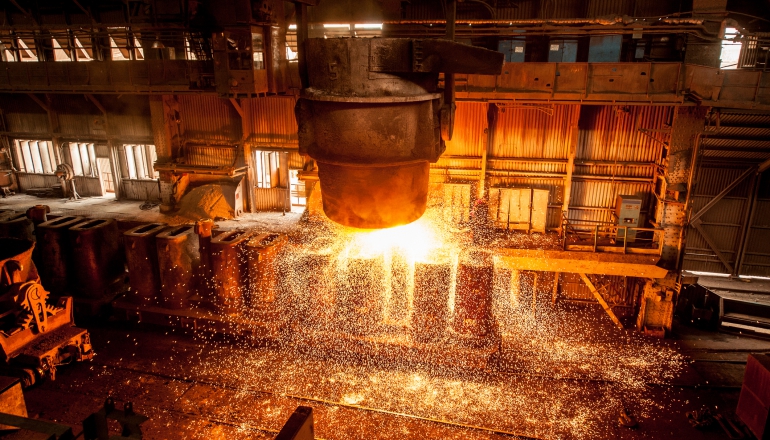
Vietnam to launch carbon market pilot, allowing up to 30% of emissions to be offset through carbon credits. (Photo: iStock)
Vietnam has taken a significant step in developing its carbon market, unveiling pilot emissions trading plans for three major carbon-intensive industries. The plan outlines how emissions allowances will be distributed and sets a limit on carbon offset usage. However, experts caution that the allocation of free allowances and the underdeveloped national carbon registry system may hinder short-term emissions reduction efforts.
30% offset cap exceeds limits in Singapore and Taiwan
Following multiple rounds of negotiation and revision, the Vietnamese government officially approved new legislation on June 9, offering more clarity on its emissions trading scheme (ETS). The three-year pilot program is scheduled to launch in August, starting with the steel, cement, and thermal power sectors.
In its first phase, the program will cover industries responsible for roughly 50% of the country’s emissions. The second phase, beginning in 2029, will expand to include freight transport and commercial buildings.
Under the current plan, emissions allowances will be allocated for free until 2029. The allowances for 2025–2026 will be announced by the end of 2025, with future allocations released on June 30 of 2027 and 2029, respectively. Companies exceeding their emissions quotas can purchase allowances through the carbon market, while those with surplus can sell them. The use of domestic and international carbon offsets is capped at 30% of a company’s emissions—significantly higher than the 10% cap in places like Singapore and Taiwan.